How to Avoid Pelvic Floor Dysfunction with Physiotherapy Exercises explores targeted strategies for recovery. Discover new paths to mobility, healing, and personalized care.

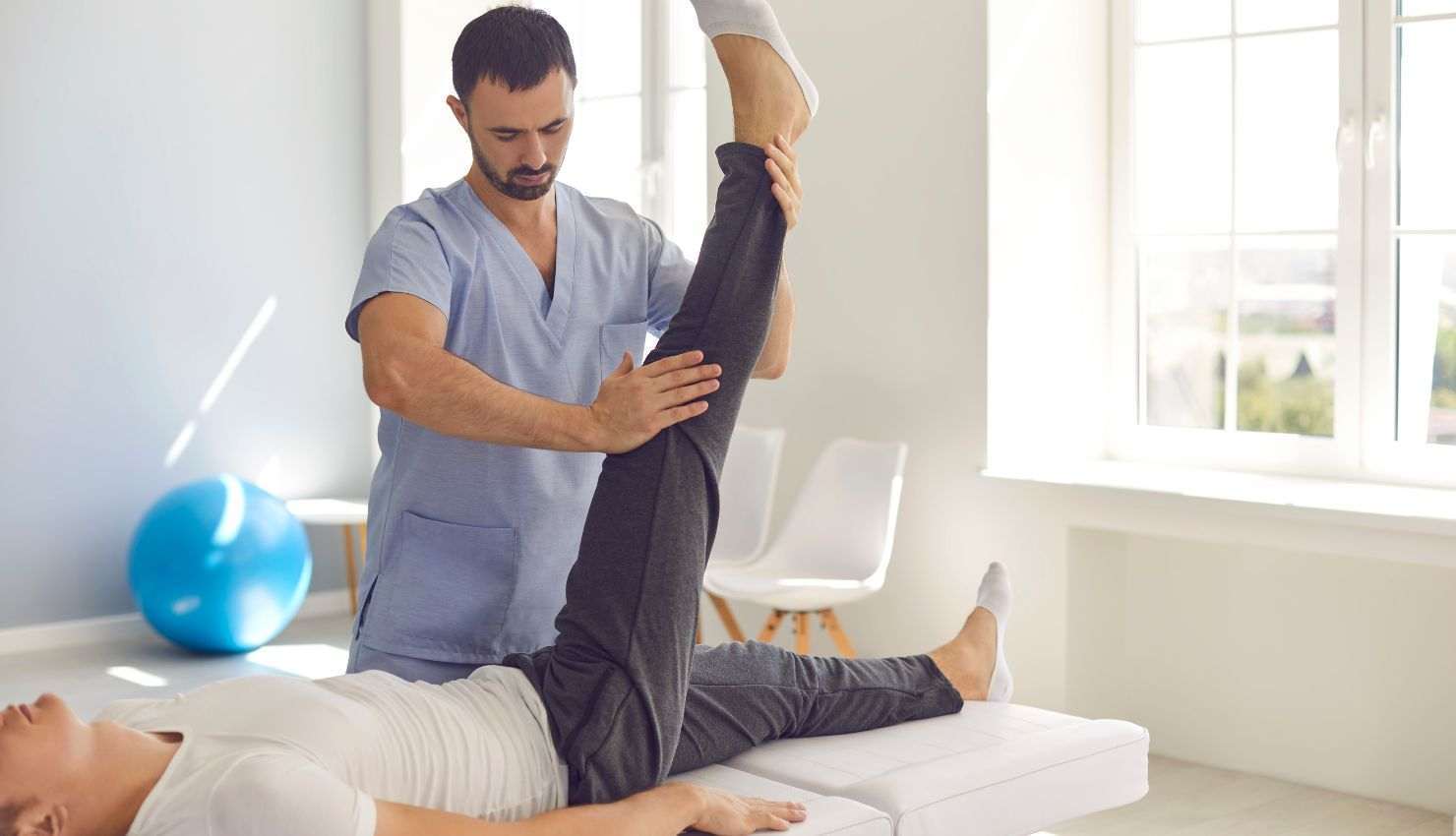
Pelvic floor dysfunction (PFD) is a common but often misunderstood condition that can affect anyone, leading to symptoms like urinary or fecal incontinence, pelvic pain, and organ prolapse. Fortunately, many cases of PFD can be prevented or managed effectively through targeted physiotherapy exercises that strengthen and balance the pelvic floor muscles. Understanding how to incorporate these exercises into your routine can help you maintain pelvic health and enhance your overall well-being.
What Is Pelvic Floor Dysfunction?
Pelvic floor dysfunction occurs when the pelvic floor muscles are too weak, too tight, or lack proper coordination. This imbalance disrupts the muscles ability to support pelvic organs, control continence, and facilitate sexual function. Risk factors include childbirth, aging, surgery, obesity, chronic coughing, and heavy lifting.
The Importance of Prevention
Preventing PFD is crucial for maintaining quality of life and avoiding discomfort and embarrassment. Pelvic floor physiotherapy provides practical strategies and exercises that strengthen muscles, improve coordination, and promote healthy pelvic function.
Key Physiotherapy Exercises to Prevent Pelvic Floor Dysfunction
1. Kegel Exercises
Kegels are the foundational exercise for pelvic floor health. To perform:
Identify pelvic floor muscles by attempting to stop urination midstream (only for identification, not regular practice)
Contract muscles gently without tightening the abdomen, buttocks, or thighs
Hold for 5 seconds, then relax for 5 seconds
Repeat 10-15 times per session, 3 times daily
Consistent practice improves muscle tone and control.
2. Quick Flicks
Quick contractions help improve muscle responsiveness:
Contract pelvic floor muscles rapidly and release immediately
Perform 10-15 repetitions several times daily
3. Bridge with Pelvic Floor Engagement
This exercise integrates core and pelvic floor strength:
Lie on your back with knees bent and feet flat
Engage pelvic floor muscles and lift hips into a bridge position
Hold for 5 seconds, then lower slowly
Repeat 10 times
4. Squats with Pelvic Floor Activation
Squats strengthen the lower body and pelvic floor simultaneously:
Stand with feet shoulder-width apart
As you squat down, gently contract pelvic floor muscles
Rise back up while maintaining contraction
Perform 10-15 repetitions
5. Diaphragmatic Breathing with Pelvic Floor Coordination
Breathing exercises promote relaxation and core stability:
Inhale deeply through the nose, allowing the abdomen to expand
Exhale slowly while gently contracting pelvic floor muscles
Repeat for several cycles
Additional Tips to Avoid Pelvic Floor Dysfunction
Maintain a healthy weight to reduce pelvic pressure
Avoid chronic straining during bowel movements; stay hydrated and eat fiber-rich foods
Practice good posture and ergonomics, especially during prolonged sitting or lifting
Avoid heavy lifting or use proper techniques to protect your pelvic floor
Incorporate regular physical activity that supports overall muscle health
When to Seek Professional Help
If you experience symptoms like leakage, pelvic pain, or heaviness, consult a pelvic floor physiotherapist early. Professional guidance ensures exercises are performed correctly and addresses any underlying issues.
YourFormSux (YFS): Your Partner in Pelvic Health Prevention
At YourFormSux, our pelvic floor physiotherapists offer personalized assessment and exercise programs designed to prevent pelvic floor dysfunction. We provide expert guidance and support to help you maintain pelvic health for life.
Protect Your Pelvic Floor With Physiotherapy Exercises
Preventing pelvic floor dysfunction is possible through consistent, targeted physiotherapy exercises. Contact YourFormSux (YFS) today to schedule your consultation and begin your personalized pelvic floor health program.