Pelvic health plays a foundational role in every womans well-being, yet its often overlooked until problems arise. Issues like urinary incontinence, pelvic organ prolapse, or chronic pelvic pain can significantly disrupt daily life.

Pelvic health plays a foundational role in every womans well-being, yet its often overlooked until problems arise. Issues like urinary incontinence, pelvic organ prolapse, or chronic pelvic pain can significantly disrupt daily life. The good news? You dont have to wait for symptoms to start. With simple physiotherapy exercises designed specifically for pelvic floor health, you can take preventive steps that protect your core function, posture, and overall wellness.
Why Prevention Matters in Pelvic Health
Preventing pelvic floor dysfunction is far more effectiveand often easierthan treating it after symptoms appear. The pelvic floor muscles support the bladder, uterus, and bowel. When these muscles weaken or become overly tight, women may experience a range of problems, including:
Urinary urgency or leakage
Pain during intercourse
Lower back pain
Constipation
Heaviness in the pelvic area
Physiotherapy-led exercises provide a drug-free, surgery-free way to maintain pelvic muscle tone, enhance coordination, and promote healthy movement patterns.
Start with the Basics: Pelvic Floor Awareness
Before jumping into exercises, its essential to first understand how to activate your pelvic floor. Many women either over-recruit their abdominal muscles or bear down instead of lifting the pelvic floor. A physiotherapist can guide you through biofeedback or verbal cues to help isolate these muscles correctly. Once you develop awareness, you can begin incorporating gentle exercises into your daily routine.
Simple Physiotherapy Exercises for Pelvic Health
Here are some physiotherapy-approved movements that support pelvic health and prevent dysfunction:
1. Pelvic Floor Contractions (Kegels)
These are foundational. To perform a correct contraction, imagine stopping the flow of urine or lifting a blueberry with your vaginal muscles. Hold for 35 seconds, then relax completely. Repeat 810 times per session, aiming for 23 sessions daily.
2. Diaphragmatic Breathing
Proper breathing is essential for pelvic floor relaxation. Sit or lie down with one hand on your chest and the other on your abdomen. Inhale deeply through your nose, allowing your belly to expand. Exhale slowly through your mouth, feeling the pelvic floor gently rise. This helps reduce tension and supports coordination between the diaphragm and pelvic floor.
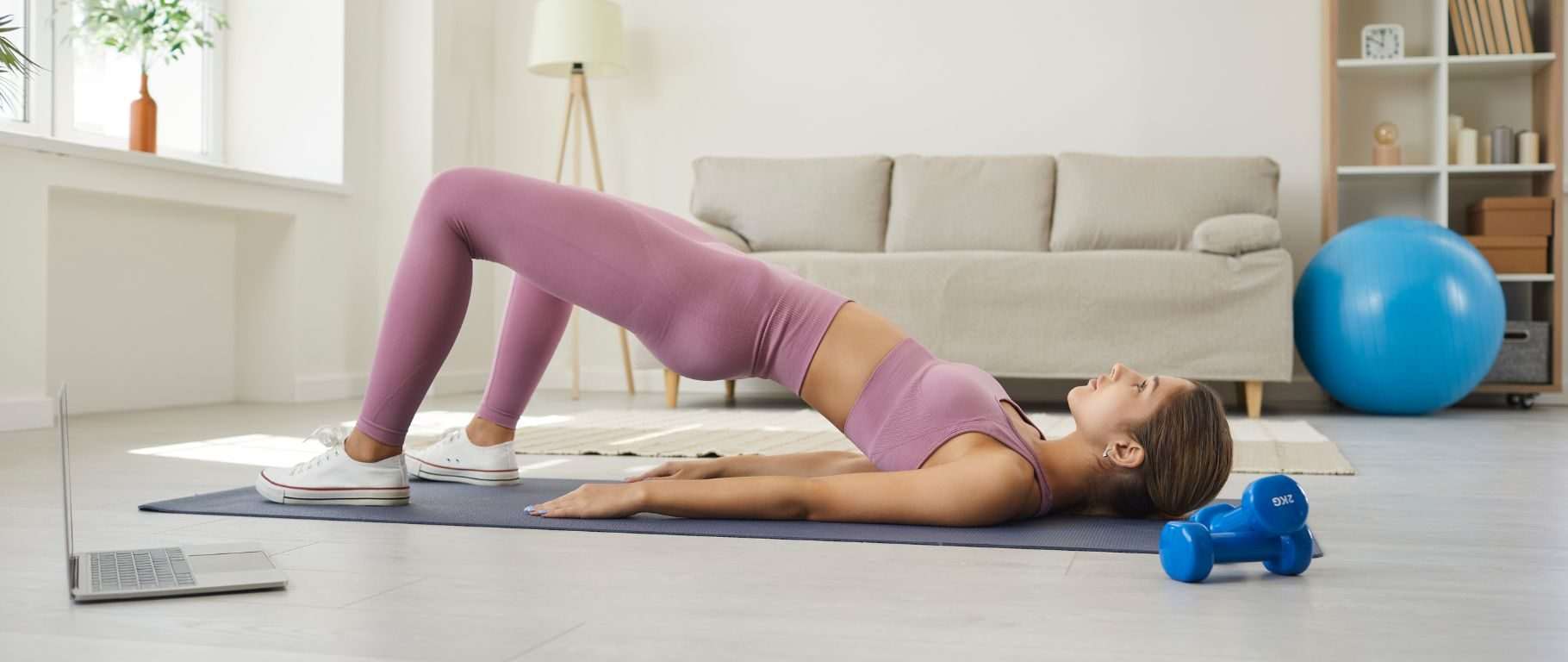
3. Bridge Pose
Lie on your back with knees bent and feet flat. As you lift your hips off the ground, gently engage your pelvic floor and core. Hold for a few seconds before slowly lowering down. This movement improves hip stability, core engagement, and pelvic floor strength.
4. Cat-Cow Spinal Stretch
This gentle spine mobilization promotes pelvic alignment and core awareness. On all fours, alternate between arching your back (cow) and rounding it (cat). Focus on coordinating movement with your breath and engaging your core and pelvic muscles during the transitions.
5. Deep Core Activation (Transversus Abdominis)
Engage your deep core muscles by drawing your belly button inward while exhaling. This activates the transversus abdominis and stabilizes your spine and pelvis. It pairs well with pelvic floor contractions to build endurance and support.
When to Seek Physiotherapy Support
While these exercises are safe for most women, consulting a pelvic health physiotherapist is highly recommended. This is especially true if you:
Recently gave birth
Are entering menopause
Have a history of pelvic surgeries
Experience chronic constipation or pain
Are returning to high-impact exercise
Physiotherapists can tailor a program specific to your lifestyle, body type, and health history.
Lifestyle Tips That Support Pelvic Health
Prevention goes beyond exercise. A few habits can significantly reduce your risk of developing pelvic floor issues:
Avoid straining during bowel movements
Stay hydrated and eat high-fiber foods
Use proper posture when lifting or sitting
Maintain a healthy body weight
Take movement breaks if you sit for long periods
Conclusion
Pelvic floor health is not just a postpartum concern or an issue for older womenits a lifelong investment in your physical function and quality of life. By practicing simple physiotherapy exercises and making mindful lifestyle choices, you can avoid common pelvic health problems and stay active, confident, and pain-free. Prevention is always more powerful than correction, and a few minutes a day can make a lasting difference.