Mealtimes are a daily ritual, but theyre also one of the most overlooked moments for posture awareness. Whether youre grabbing a quick bit…

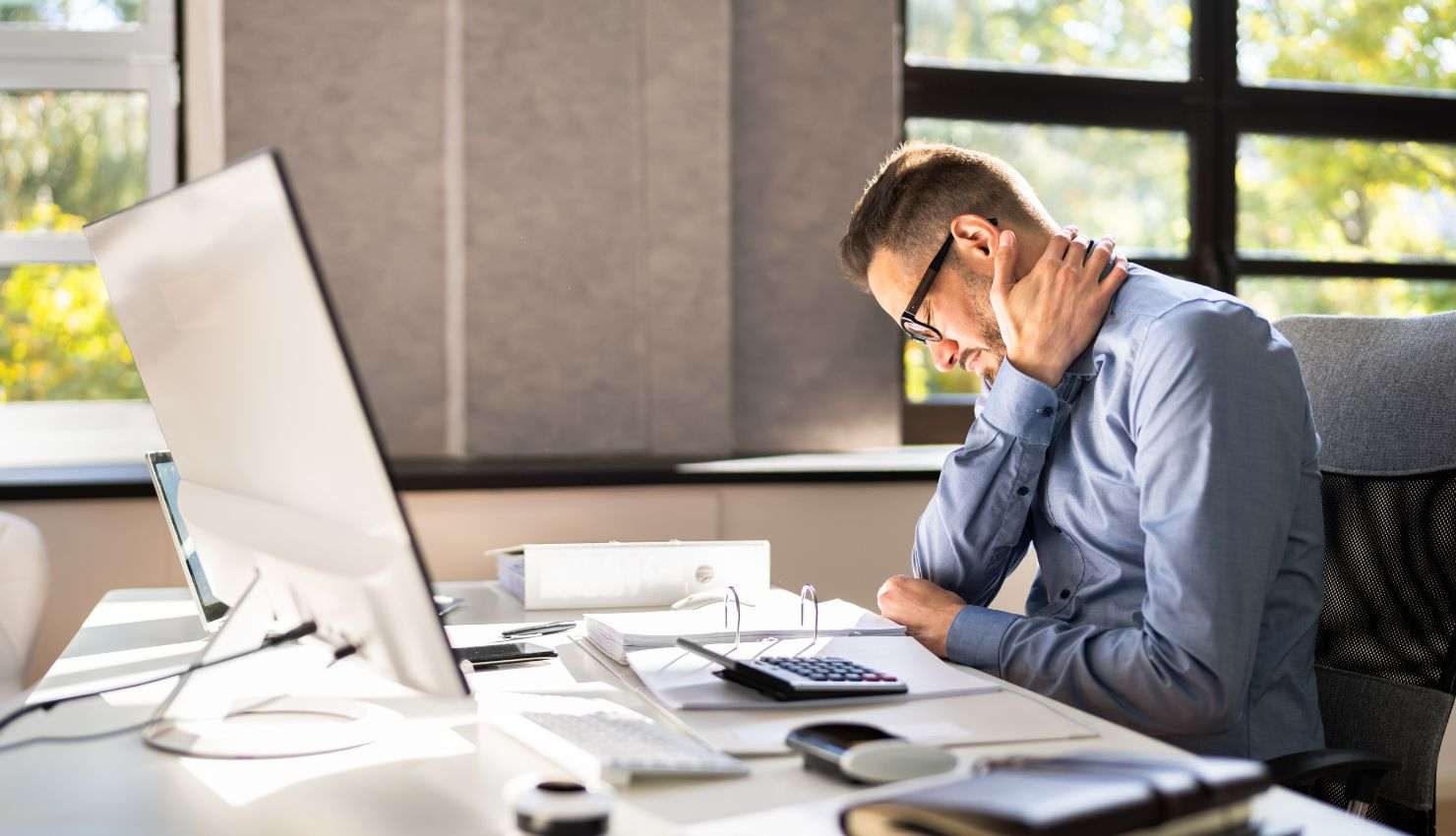
Mealtimes are a daily ritual, but theyre also one of the most overlooked moments for posture awareness. Whether youre grabbing a quick bite at the kitchen counter, scrolling through your phone while eating lunch, or sitting down to a family dinner, its easy to fall into a slouched position without realizing it. Over time, these poor posture habits during meals can contribute to spinal misalignment, digestive issues, and even pelvic floor dysfunctionespecially for women in postpartum recovery or managing chronic pain.
At YourFormSux (YFS), we view everyday activities through the lens of whole-body alignment. Eating is no exception. Small adjustments to how you sit, position your body, and engage your core during meals can make a big difference in how your body feels and functions.
Why Slouching During Meals Matters
Slouching typically involves rounding the shoulders forward, collapsing the chest, and letting the lower back curve excessively. This posture compresses the abdomen and places pressure on the diaphragm, which can lead to:
Shallow breathing and reduced oxygen intake
Poor digestion due to abdominal compression
Forward head posture and neck strain
Lumbar spine compression and core disengagement
Increased pelvic pressure, which may aggravate prolapse or incontinence symptoms
Repeated mealtime slouching may not cause pain right away, but it reinforces a posture pattern that contributes to long-term alignment issues.
What Good Mealtime Posture Looks Like
To avoid slouching while eating, it helps to visualize and practice a neutral, stacked position:
Feet flat on the floor, hip-width apart
Knees bent at 90 degrees, not tucked under the chair or stretched forward
Pelvis in neutral, not tilted backward or forward
Spine tall and aligned, not collapsed or overly arched
Shoulders relaxed and back, not elevated or rounded
Chin level, with your ears aligned over your shoulders
This upright posture supports core activation, better breathing, and efficient digestionall while reducing unnecessary stress on your neck, shoulders, and pelvic floor.
Common Slouching Triggers During Meals
Even when we know what good posture looks like, certain habits can sabotage our alignment during meals:
Eating in low or overly soft chairs that allow the pelvis to roll backward
Reaching forward to cut food or grab drinks, causing shoulder and spine collapse
Watching screens while eating, leading to a forward head and rounded shoulders
Crossing legs or leaning to one side, which creates asymmetry in the pelvis
Rushing through meals, preventing mindful sitting and alignment check-ins
Becoming aware of these triggers is the first step toward changing them.
Tips to Prevent Slouching While Eating
Here are some practical strategies to help you stay upright and supported during meals:
1. Choose the Right Chair and Table Height
Ensure your seat allows your hips and knees to remain level, with feet firmly on the ground. Tables should be at a height where your elbows rest comfortably without hunching your shoulders.
2. Use a Lumbar Support or Cushion
If your chair lacks back support, place a small rolled towel or cushion at the small of your back to maintain the natural lumbar curve.
3. Engage Your Core Gently
Before starting your meal, take a deep diaphragmatic breath and lightly engage your lower abdominal muscles. This helps support upright sitting without effortful tension.
4. Keep Meals Screen-Free
Looking down at a phone or tablet while eating encourages forward head posture and rounded shoulders. Whenever possible, eat without devices or place them at eye level.
5. Adjust Your Plate and Utensils
Keep food, drinks, and napkins within arms reach. Bringing food toward you, rather than leaning forward toward the plate, helps maintain a more upright posture.
6. Take Movement Breaks Post-Meal
Even with good posture, sitting for long periods can cause stiffness. A gentle post-meal walk or standing stretch improves circulation and reinforces spinal mobility.
Posture and Pelvic Floor Health
Slouching during meals doesn’t just affect your shoulders and spineit also impacts your pelvic floor. A collapsed posture restricts diaphragmatic breathing and intra-abdominal pressure regulation, which can worsen symptoms of:
Pelvic organ prolapse
Postpartum core weakness
Chronic pelvic pain
Stress urinary incontinence
For women recovering from childbirth or managing pelvic floor dysfunction, sitting alignment during everyday tasks like eating plays a major role in recovery. Physiotherapy often includes posture education for these very reasonsbecause healing depends on what your body does throughout the day, not just during exercises.
The YFS Approach to Everyday Posture
At YourFormSux, we dont separate lifestyle from rehabilitation. Our pelvic health physiotherapy programs include education on alignment for eating, sleeping, feeding a baby, and working at a deskbecause it all matters.
When addressing postural issues, we assess:
Pelvic and lumbar spine positioning during daily activities
Breathing strategies to support core and pelvic floor engagement
Movement patterns that reinforce healthy posture
Environmental modifications like chair selection or eating setup
Improving posture while eating may seem like a small change, but over time, it supports a more aligned, functional bodyespecially for women rebuilding strength after injury or pregnancy.
Eat Upright, Heal Stronger
Mealtimes offer an opportunity to check in with your body. By turning them into a moment of alignment awareness, you can protect your spine, enhance digestion, and reinforce postural habits that benefit your pelvic health.
Posture isnt just about standing tallits about how you sit, breathe, and move throughout your daily life. At YourFormSux, were here to help you reclaim alignment one habit at a time.