A strong pelvic floor is essential to a womans long-term health, stability, and overall function. Often overlooked, these deep core muscles are the foundation for bladder control, sexual health, organ support, and even spinal alignment.

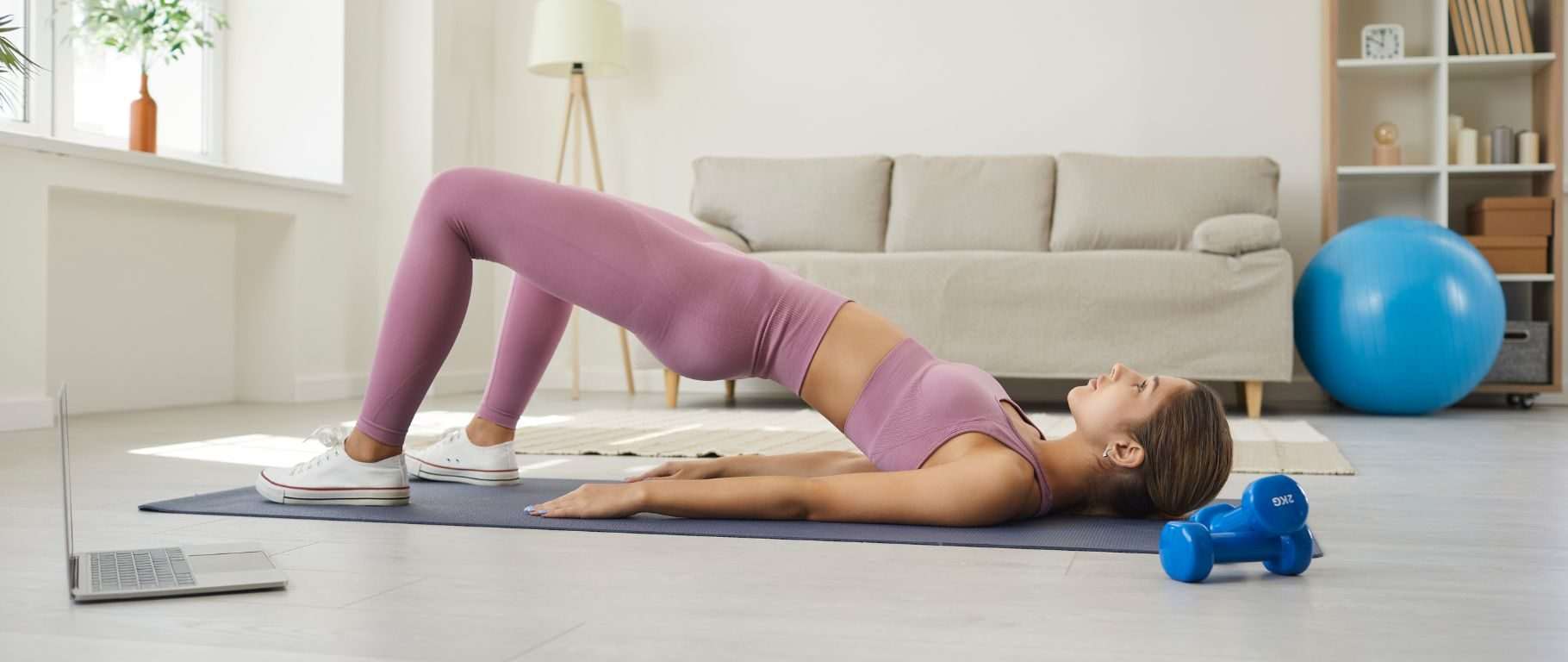
A strong pelvic floor is essential to a womans long-term health, stability, and overall function. Often overlooked, these deep core muscles are the foundation for bladder control, sexual health, organ support, and even spinal alignment. Whether youre in your 20s or your 60s, pelvic floor strengthening through physiotherapy can significantly improve your quality of life and help prevent future issues.
What Is the Pelvic Floor?
The pelvic floor is a group of muscles and connective tissues that stretch like a hammock across the bottom of the pelvis. These muscles support the bladder, uterus, and rectum. They are involved in everything from urination and defecation to childbirth and core stabilization. Weak pelvic floor muscles can lead to incontinence, pelvic organ prolapse, lower back pain, and diminished sexual function.
Why Pelvic Floor Health Matters
For women, pelvic floor dysfunction can arise from various causes, including pregnancy, childbirth, menopause, chronic constipation, heavy lifting, and high-impact sports. Without intervention, these issues can progress over time. Physiotherapy offers a non-invasive, evidence-based path to rebuilding and maintaining this crucial muscle group.
Signs of a Weak Pelvic Floor
Some women dont realize they have pelvic floor dysfunction until symptoms worsen. Key warning signs include:
Urinary leakage during physical activity or sneezing
A heavy or dragging feeling in the pelvis
Pain during intercourse
Difficulty emptying the bladder or bowel
Lower back or pelvic pain
If these symptoms sound familiar, its important to seek help from a trained pelvic health physiotherapist.
How Physiotherapy Supports Pelvic Floor Strengthening
Pelvic floor physiotherapy is a specialized branch of rehabilitation that assesses and treats the internal and external muscles of the pelvic region. Unlike general exercise programs, physiotherapy is tailored to each womans needs and begins with a comprehensive pelvic health assessment.
A typical treatment plan includes:
Targeted exercises to improve muscle endurance, strength, and coordination.
Biofeedback to provide visual cues on muscle activity and ensure correct movement.
Manual therapy to release tight or overactive muscles that contribute to pelvic pain.
Breathing techniques and posture training to support pelvic alignment and reduce intra-abdominal pressure.
Effective Exercises to Build Pelvic Strength
The most common exercise recommended is the Kegel, which involves contracting and releasing the pelvic floor muscles. However, not all women benefit from Kegels alone. In some cases, overactive muscles may require relaxation techniques before strengthening begins.
Pelvic floor physiotherapists often introduce exercises that integrate breathing, core engagement, and full-body movement patterns to enhance muscle function. Examples include diaphragmatic breathing, bridging with pelvic floor activation, and controlled squats with core support.
Long-Term Benefits of a Strong Pelvic Floor
With consistent physiotherapy guidance, women can experience:
Improved bladder and bowel control
Enhanced sexual satisfaction
Greater postural control and core strength
Reduced risk of pelvic organ prolapse
Better recovery after childbirth or surgery
Fewer disruptions to daily activities due to pelvic symptoms
Maintaining pelvic health through physiotherapy is not just about addressing existing concernsits about proactively protecting your body.
When to Start Pelvic Floor Physiotherapy
Its never too early or too late to focus on pelvic health. Women who are pregnant, postpartum, entering perimenopause, or simply experiencing mild symptoms should consult a pelvic floor specialist. Early intervention can prevent minor issues from becoming long-term conditions.
Why Choose a Specialized Physiotherapist
Pelvic health requires more than generic advice. A certified pelvic floor physiotherapist uses internal assessments, customized treatment plans, and proven techniques to guide recovery and support long-term health. Working with a professional ensures that exercises are done correctly, muscles arent overcompensating, and progress is measurable.
Take Control of Your Pelvic Wellness
Pelvic floor dysfunction doesnt have to define your life. With the right support and professional guidance, you can regain control, strength, and confidence. Physiotherapy provides a safe, personalized, and effective way to build a resilient pelvic floor that supports you at every stage of life.