The pelvic floor is a group of muscles that play a crucial role in your overall health and well-being. These muscles support your bladder, bowel, and uterus, and contribute to core stability, posture, and sexual function.

The pelvic floor is a group of muscles that play a crucial role in your overall health and well-being. These muscles support your bladder, bowel, and uterus, and contribute to core stability, posture, and sexual function. When pelvic floor strength is compromised, it can lead to urinary incontinence, lower back pain, pelvic organ prolapse, and decreased quality of life. Strengthening your pelvic floor through physiotherapy offers a proactive way to prevent dysfunction, reduce pain, and improve daily function at any age.
Understanding the Pelvic Floor
The pelvic floor consists of layers of muscles that stretch like a hammock from the pubic bone to the tailbone. These muscles work with your abdominal, hip, and back muscles to stabilize your core and support internal organs. Whether you’re walking, lifting, laughing, or sneezing, your pelvic floor plays a part. When these muscles weaken or become imbalanced, you may experience symptoms like urine leakage, constipation, pelvic pressure, or even discomfort during intimacy.
Pelvic floor strength becomes especially important for women during major life transitions such as pregnancy, childbirth, and menopause, when hormonal and physical changes place extra strain on this muscle group.
Signs You Might Need to Strengthen Your Pelvic Floor
You dont have to wait for dysfunction to occur before taking action. However, here are common indicators that your pelvic floor might need attention:
Urinary leakage during coughing, sneezing, or exercise
Difficulty emptying your bladder or bowel
A heavy or dragging sensation in the pelvic region
Pain in the pelvic area or lower back
Reduced sensation or discomfort during sex
Poor posture and core instability
These symptoms arent just age-relatedthey can happen at any stage of life and are not something to simply tolerate or hide.
How Physiotherapy Helps Strengthen the Pelvic Floor
Pelvic floor physiotherapy involves more than just Kegel exercises. At YourFormSux, physiotherapists are trained to assess, treat, and guide individuals through personalized programs that address muscle imbalances, coordination issues, and postural alignment.
A physiotherapist can:
Evaluate the function of your pelvic floor using non-invasive techniques
Identify if your muscles are weak, overactive, or poorly coordinated
Develop a tailored exercise routine based on your bodys specific needs
Teach proper breathing and core activation techniques
Incorporate postural training and functional movement exercises
Monitor your progress and adjust exercises over time for long-term benefits
Physiotherapy offers a comprehensive, supportive, and evidence-based pathway to better pelvic health without invasive procedures.
Key Exercises for Building Pelvic Floor Strength
While individualized guidance is essential, here are foundational exercises commonly used to begin strengthening:
1. Pelvic Floor Activation (Kegels): Slowly contract the pelvic muscles by imagining youre stopping the flow of urine. Hold for a few seconds, then release. Repeat several times a day.
2. Deep Core Engagement: While lying on your back with knees bent, gently draw your belly button toward your spine, engaging your lower abdomen without holding your breath. Pair this with pelvic floor activation for optimal support.
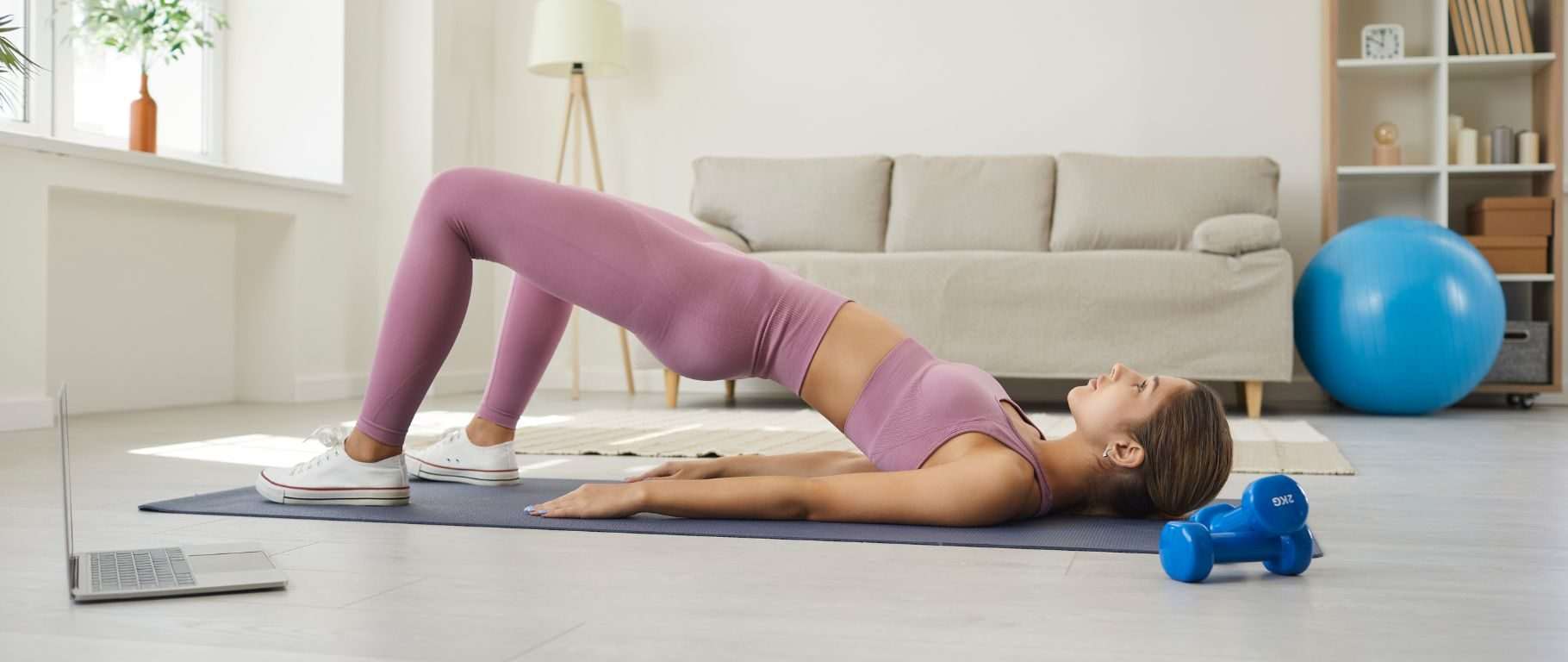
3. Bridge Pose: Lie on your back with knees bent, feet flat. Lift your hips while squeezing the glutes and pelvic floor. Lower slowly and repeat.
4. Squats with Awareness: Perform bodyweight squats while maintaining a neutral spine and gently engaging your pelvic floor at the lowest point of the squat.
These exercises help activate and coordinate the pelvic floor with surrounding muscle groups, but consistency and proper form are key.
Lifestyle Tips to Support Pelvic Floor Health
In addition to targeted physiotherapy, lifestyle plays a significant role in protecting and strengthening the pelvic floor:
Stay hydrated to avoid straining during bowel movements
Avoid chronic constipation by eating a fiber-rich diet
Maintain a healthy body weight to reduce pelvic pressure
Be mindful of heavy lifting and use correct techniques
Practice good posture to support pelvic alignment
Manage chronic coughing which can strain pelvic tissues
Awareness and prevention can make a major difference in long-term pelvic health.
Who Should Consider Pelvic Floor Physiotherapy?
Pelvic floor strengthening isnt just for postpartum recovery. Its ideal for:
Women preparing for or recovering from childbirth
Those entering perimenopause or menopause
Athletes and fitness enthusiasts looking to improve core stability
Individuals experiencing pelvic pain or incontinence
Anyone with a sedentary lifestyle and poor posture
Women with a history of abdominal or pelvic surgery
No matter your age or fitness level, strengthening your pelvic floor can enhance your overall health and daily function.
Final Thoughts
Building pelvic floor strength is not just a solution for existing issuesits a proactive health strategy. With professional support from a pelvic floor physiotherapist at YourFormSux, you can gain control, reduce discomfort, and prevent future complications. From improved bladder control to better posture and sexual wellness, pelvic floor health matters more than most people realize. Prioritizing this part of your body today can lead to a more confident, comfortable tomorrow.