Pelvic floor exercises are often associated with bladder control or postpartum recovery, but their benefits go far beyond that. For women looking to build long-term strength, mobility, and resilience, integrating pelvic floor training into daily routines is essential.

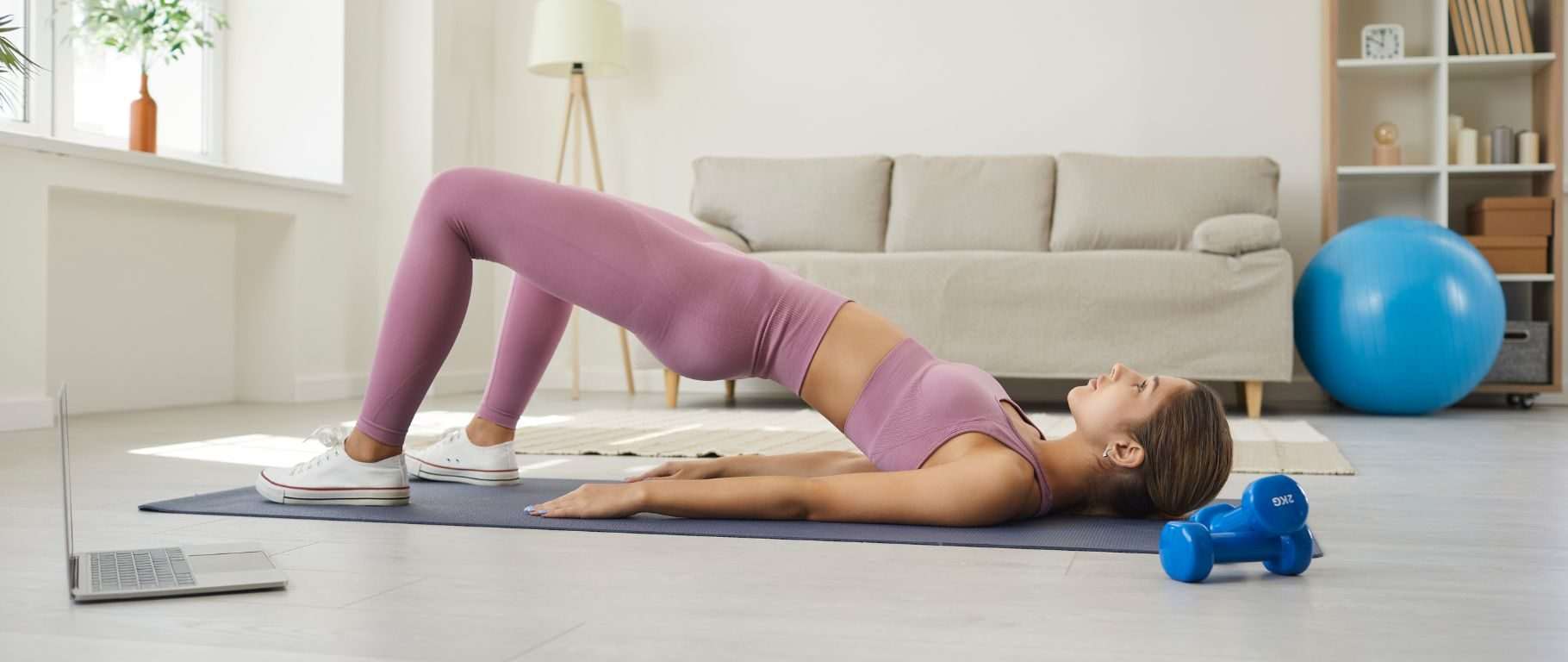
Pelvic floor exercises are often associated with bladder control or postpartum recovery, but their benefits go far beyond that. For women looking to build long-term strength, mobility, and resilience, integrating pelvic floor training into daily routines is essential. Whether you’re managing incontinence, recovering from childbirth, or aiming to stay active as you age, these exercises can transform your physical health. Physiotherapy provides the personalized support needed to do them correctly and effectively.
Why the Pelvic Floor Matters
The pelvic floor is a group of muscles that acts like a supportive hammock for the pelvic organs, including the bladder, uterus, and rectum. These muscles also work in coordination with your core, hips, and back to stabilize your body during movement.
When the pelvic floor is strong and functional, it:
Supports posture and alignment
Helps control bladder and bowel function
Assists with core stability and balance
Enhances comfort and mobility during daily activities
Conversely, a weak or overactive pelvic floor can contribute to pain, poor movement mechanics, fatigue, and injury risk.
Building Strength Through Proper Pelvic Floor Exercises
Pelvic floor exercises must be performed with correct form and breathing to be effective. Generic routines may not address your specific muscle function, which is why physiotherapy is so valuable.
A physiotherapist helps:
Identify whether your muscles are weak, tight, or uncoordinated
Teach you to isolate the pelvic floor without overusing other muscles
Incorporate breath and posture for optimal engagement
Create a progression that suits your fitness level and recovery needs
Basic Steps for Effective Pelvic Floor Engagement:
Sit or lie down comfortably with relaxed shoulders.
Inhale deeply to let the pelvic floor relax.
As you exhale, gently lift the pelvic muscles (as if stopping the flow of urine or holding in gas).
Hold for 35 seconds, then release completely.
Repeat 1012 times, once or twice a day.
Avoid holding your breath, squeezing your glutes, or clenching your inner thighsthese compensations reduce the effectiveness of the exercise.
Progressing Toward Functional Strength
As your pelvic floor gains strength and endurance, it’s important to integrate these muscles into more dynamic movements. Your physiotherapist may guide you through:
Squats or lunges with pelvic floor activation
Core exercises such as dead bugs or planks with breath control
Balance work that engages the hips and inner thighs
Functional training like lifting, walking, or climbing stairs
Building strength this way supports daily activities and helps you stay mobile and injury-free.
How Pelvic Floor Exercises Improve Mobility
Mobility relies on strength, flexibility, and controlall areas influenced by the pelvic floor. A well-functioning pelvic floor:
Supports the spine and hips during movement
Allows for full, pain-free range of motion
Enhances gait mechanics and reduces compensatory patterns
Prevents stiffness and imbalance in the pelvic region
For women who experience tightness, heaviness, or discomfort in the hips and lower back, improving pelvic floor function can lead to noticeable changes in how easily and fluidly they move.
When to Seek Professional Guidance
Not all pelvic floor issues are due to weaknesssome result from overactivity or tension. Without a proper assessment, you could do more harm than good by practicing the wrong exercises.
Consider consulting a pelvic health physiotherapist if you:
Leak urine during activity or daily tasks
Experience pelvic pain or heaviness
Have difficulty starting or completing bowel movements
Feel disconnected from your core or balance
Want to build strength safely after childbirth or surgery
Early, guided intervention leads to better results and faster recovery.
Long-Term Maintenance and Wellness
Consistency is key. Like any muscle group, the pelvic floor requires regular attention to stay strong. A few minutes of daily focused movement, combined with posture awareness and good breathing habits, helps maintain progress.
Your physiotherapist may adjust your program over time based on life stages, fitness goals, or changes in symptoms. For many women, pelvic floor care becomes an integral part of lifelong wellness and injury prevention.
Conclusion
Pelvic floor exercises are more than just a solution for incontinencetheyre a powerful tool for building strength, mobility, and physical confidence. When guided by a physiotherapist, these exercises support core function, enhance movement quality, and prevent injury. For women in Canada seeking better control, flexibility, and independence, pelvic health physiotherapy is the foundation for a stronger, more mobile future.