Coping with pain during your recovery journey can be incredibly challenging, both physically and mentally. Whether youre recovering from surgery, an injury, or a medical condition, pain management is an essential part of the healing process.

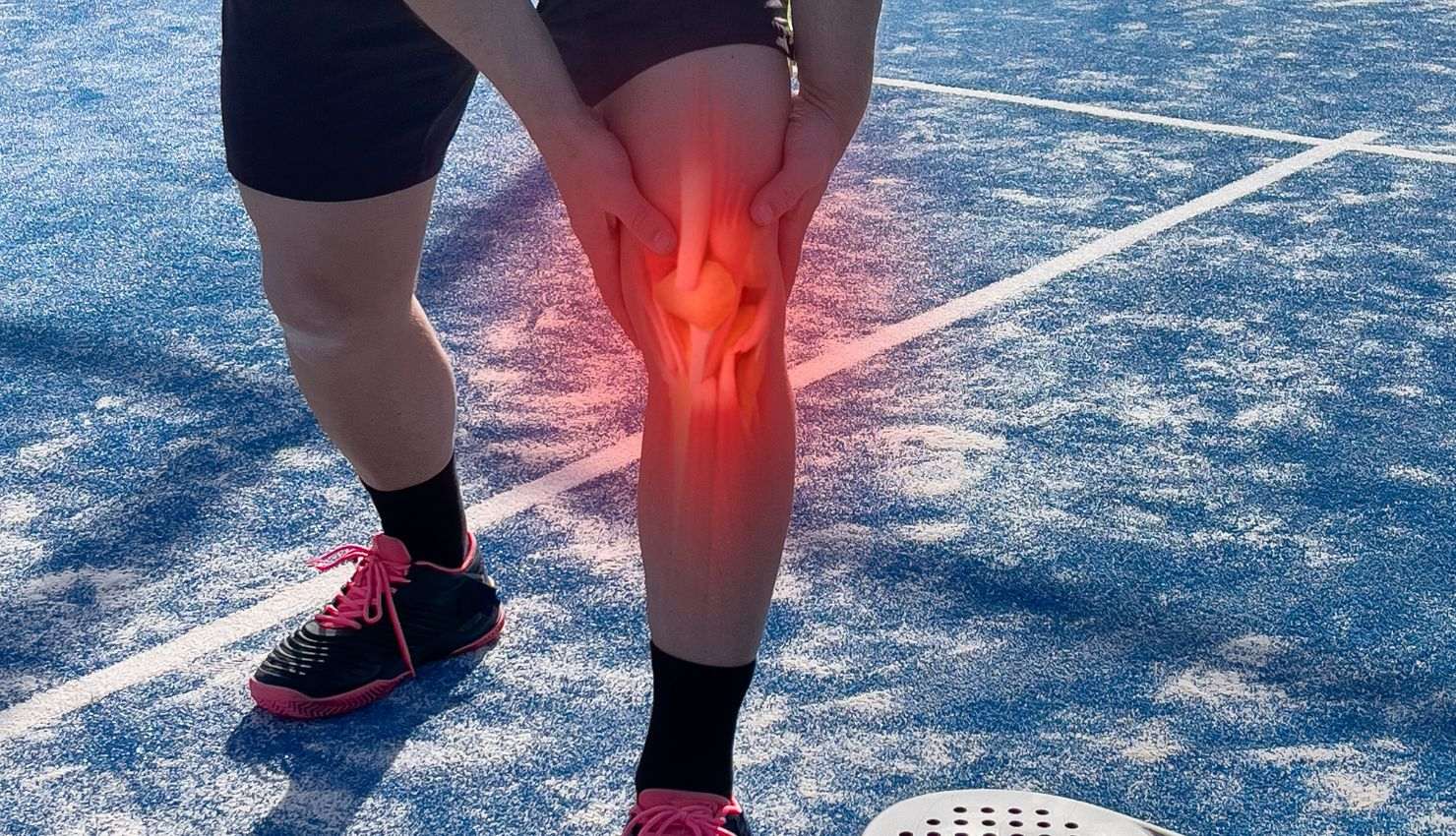
Coping with pain during your recovery journey can be incredibly challenging, both physically and mentally. Whether youre recovering from surgery, an injury, or a medical condition, pain management is an essential part of the healing process. Here are some strategies to help you navigate the pain and keep moving forward:
### 1. **Understand Your Pain**
Knowing what youre dealing with can make a huge difference. Understanding the cause of your pain, its intensity, and how long its expected to last can give you a sense of control. Talk to your doctor or healthcare provider about the pain you’re experiencing, as they can give you insights into its nature and potential treatments.
### 2. **Follow Your Pain Management Plan**
Whether it involves medications, physical therapy, or other interventions, its important to stick to the pain management plan your healthcare provider has laid out. This might include prescription medications, over-the-counter pain relievers, or other non-pharmacological methods such as ice packs or heating pads.
### 3. **Be Mindful of Your Emotions**
Pain can often bring feelings of frustration, anxiety, and even depression. These emotions can compound your experience of pain, making it feel worse. Acknowledge your feelings, and dont hesitate to reach out for support from a counselor, loved ones, or a support group. Sometimes just talking about how you feel can help alleviate the emotional burden of pain.
### 4. **Practice Relaxation Techniques**
Stress and tension can amplify the sensation of pain. Relaxation techniques like deep breathing, meditation, and mindfulness can help you manage both physical and emotional discomfort. Focusing on your breath and staying in the present moment can distract from pain and help relax your muscles.
### 5. **Stay Active Within Your Limits**
Depending on your condition, staying active can be an important part of your recovery. Gentle movements and stretching can help improve circulation, reduce stiffness, and release endorphins, which are natural painkillers. Always check with your healthcare provider about the best types of exercises or physical therapy for your situation.
### 6. **Use Distraction Techniques**
Sometimes, focusing on something else can help divert your attention from pain. Engage in activities that you enjoy, like watching your favorite shows, reading, listening to music, or even crafting. Hobbies or creative outlets can help take your mind off the pain, making it easier to cope.
### 7. **Consider Alternative Therapies**
Many people find relief from pain through alternative therapies such as acupuncture, massage, or chiropractic care. While these methods may not work for everyone, they could provide a complementary approach to pain management, especially if conventional methods havent been as effective.
### 8. **Seek Social Support**
You dont have to go through recovery alone. Lean on family, friends, or support groups for encouragement. Just having someone there to listen or offer assistance can ease the emotional weight of dealing with pain. Sometimes, just sharing a laugh or a comforting moment with someone can make all the difference.
### 9. **Maintain a Positive Mindset**
A positive outlook on recovery can have a huge impact on how you perceive and cope with pain. While its not always easy to stay optimistic when youre in pain, focusing on small victoriessuch as taking a step forward in your physical therapy or completing a taskcan give you a sense of progress and motivation.
### 10. **Be Patient with Yourself**
Recovery is a process that takes time, and its important to be patient and realistic about your journey. Dont be too hard on yourself if progress feels slow. Healing is a gradual process, and its okay to have bad days. Acknowledge your progress, no matter how small, and allow yourself to heal at your own pace.
### Conclusion
Pain during recovery is inevitable, but it doesn’t have to define your journey. By understanding your pain, staying proactive in your treatment, and being gentle with yourself, you can navigate the challenges and work towards a healthier, pain-free future. With the right mindset, support, and tools, youll come out of your recovery stronger and more resilient.