Start with Ergonomic Essentials Supportive Chair: Invest in an adjustable chair with good lumbar support. Your back should feel supported, and your knees should stay level with your hips.

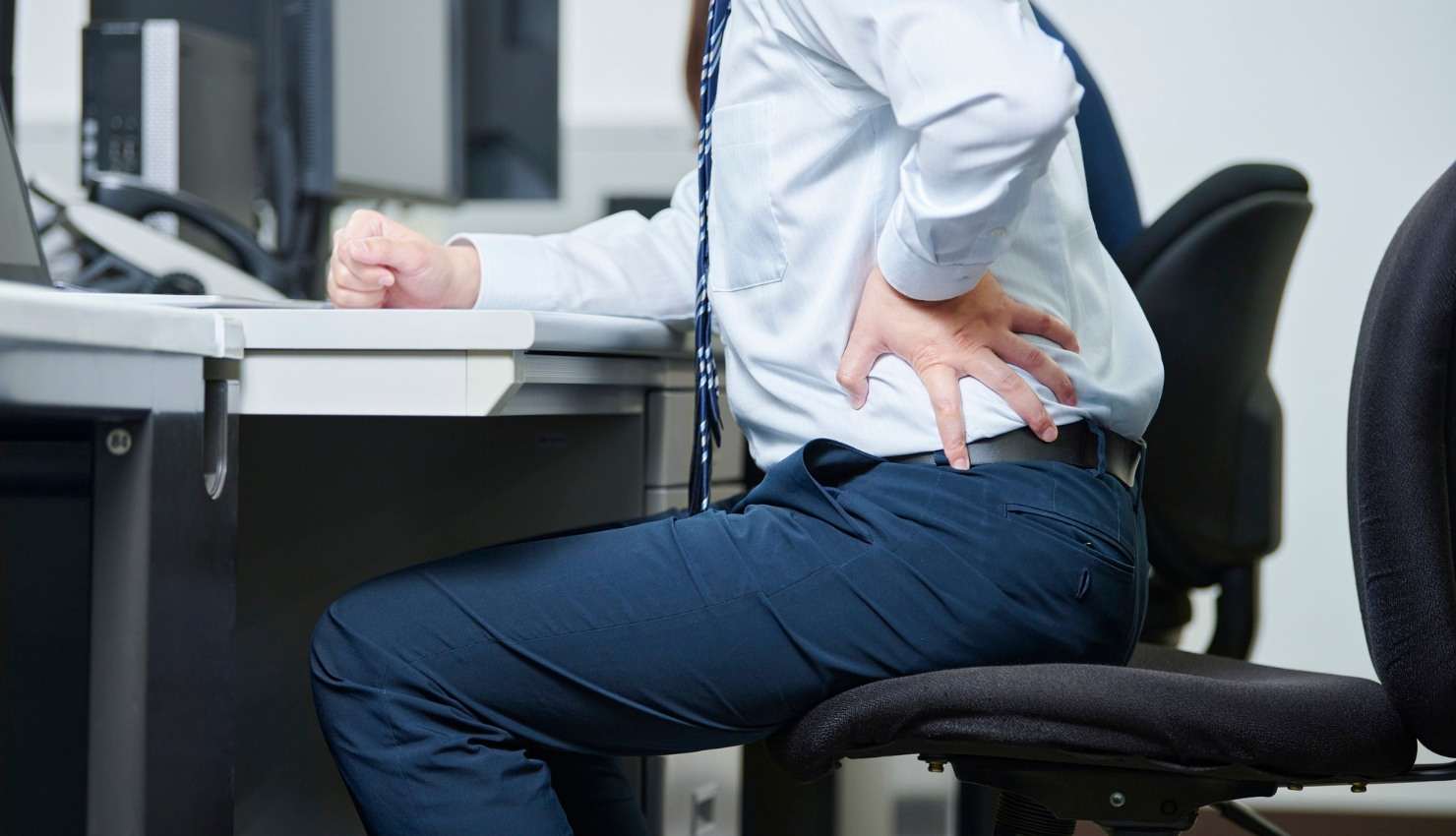
Start with Ergonomic Essentials
Supportive Chair: Invest in an adjustable chair with good lumbar support. Your back should feel supported, and your knees should stay level with your hips.
Proper Desk Height: Your desk or table should allow your elbows to stay close to your body at a 90-degree angle when typing.
Screen at Eye Level: Your monitor should be directly in front of you, with the top of the screen at or just below eye level to avoid neck strain.
2. Optimize Your Sitting Position
Sit upright: Keep your shoulders relaxed, spine straight, and ears aligned with your shoulders.
Feet flat: Your feet should rest on the floor or a footrestnot dangling or tucked under your chair.
Avoid slouching: Use a small pillow or lumbar roll to maintain the natural curve of your lower back.
3. Reduce Repetitive Strain
Use an external keyboard and mouse: This helps you maintain better arm and wrist positioning, especially when using a laptop.
Wrist alignment: Keep wrists in a neutral positionnot bent up or downand avoid resting them on hard edges.
Take microbreaks: Every 3060 minutes, pause to stretch your fingers, rotate your wrists, or gently shake out your hands.
4. Prioritize Movement
Set a timer: Stand, walk, or stretch for a few minutes every hour.
Alternate between sitting and standing: A sit-stand desk or adjustable riser can help you change positions throughout the day.
Do mini exercises: Calf raises, shoulder rolls, and neck stretches can be done at your desk.
5. Control Lighting and Reduce Eye Strain
Use natural light: Position your desk near a window to reduce glare and improve mood.
Adjust screen brightness: Match it to your environment and use blue light filters if working late.
Follow the 20-20-20 rule: Every 20 minutes, look at something 20 feet away for 20 seconds to reduce digital eye strain.
6. Personalize Your Space for Comfort
Add plants or soft décor: A visually calming space can reduce stress and increase productivity.
Use noise-canceling headphones or soft music: Minimize distractions and create a focused environment.
Stay hydrated: Keep a water bottle nearbydehydration can worsen fatigue and joint pain.
7. Listen to Your Body
Pain is a signal: Address discomfort early before it turns into injury.
Adjust as needed: No setup is perfect forever. Keep assessing and tweaking your space.
Consider professional input: A physiotherapist can help tailor your setup to your bodys unique needs.