How to Create a Movement-Based Therapy Program for Your Needs 1. Assess Your Current Condi…

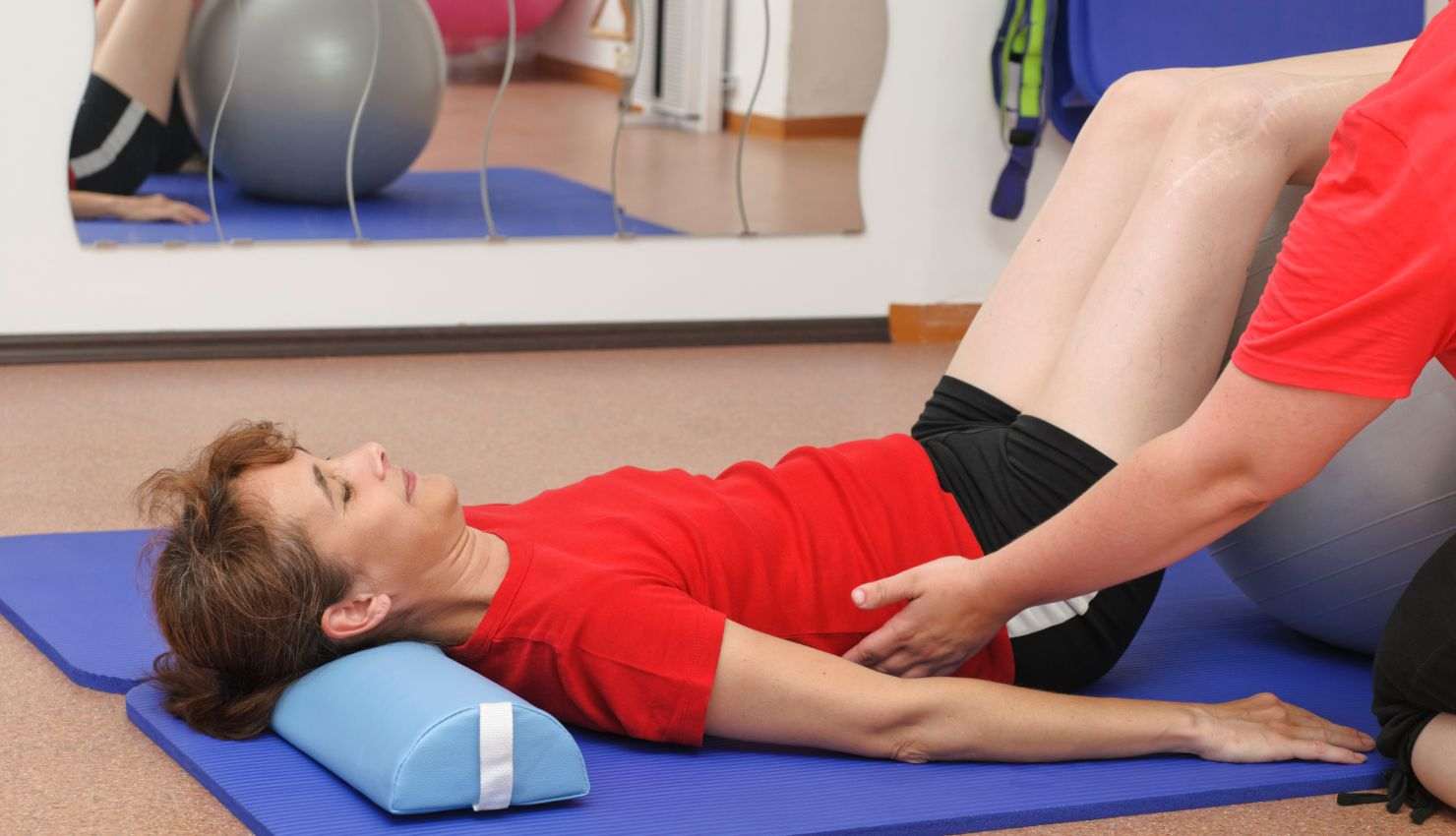
How to Create a Movement-Based Therapy Program for Your Needs
1. Assess Your Current Condition and Goals
Identify your primary reason for therapy (e.g., injury recovery, pain management, mobility improvement).
Understand any limitations (pain, range of motion, strength deficits).
Set clear, realistic goals (e.g., reduce knee pain, improve posture, increase flexibility).
2. Consult with a Professional
If possible, work with a physiotherapist or movement specialist.
Get a proper diagnosis and personalized recommendations.
3. Choose Appropriate Movement Types
Based on your goals, pick from:
Range of Motion (ROM) exercises maintain or improve joint flexibility.
Strengthening exercises build muscle support.
Stretching release tight muscles.
Neuromuscular re-education correct movement patterns.
Balance and coordination drills improve stability.
Low-impact aerobic activity boost endurance and circulation.
4. Design the Program Structure
Frequency: How many days per week? (Often 3-5 days is effective)
Duration: How long per session? (Start with 20-30 minutes)
Intensity: Start low, increase gradually as tolerated.
Progression: Plan how to increase difficulty (more reps, longer hold times, added resistance).
5. Include Warm-Up and Cool-Down
Warm-up: Gentle movements to increase blood flow and prepare muscles.
Cool-down: Stretching and relaxation to reduce muscle soreness.
6. Monitor and Adapt
Keep track of pain levels, function, and any changes.
Modify exercises if pain worsens or progress stalls.
Celebrate milestones and adjust goals as you improve.
Sample Beginner Movement Therapy Session Structure
Phase Activity Time
Warm-up Gentle walking or joint circles 5 minutes
Mobility & Stretch Dynamic stretches and ROM 10 minutes
Strength Targeted strengthening exercises 10-15 minutes
Balance & Control Simple balance drills 5 minutes
Cool-down Static stretching and breathing 5 minutes