Creating a pain-free workday from home requires intentional choices in posture, ergonomics, movement, and routine. Unlike traditional office spaces that may be designed with health in mind, your home setup often evolves out of convenienceleading to common issues like back pain, neck stiffness, shoulder tension, and wrist discomfort.

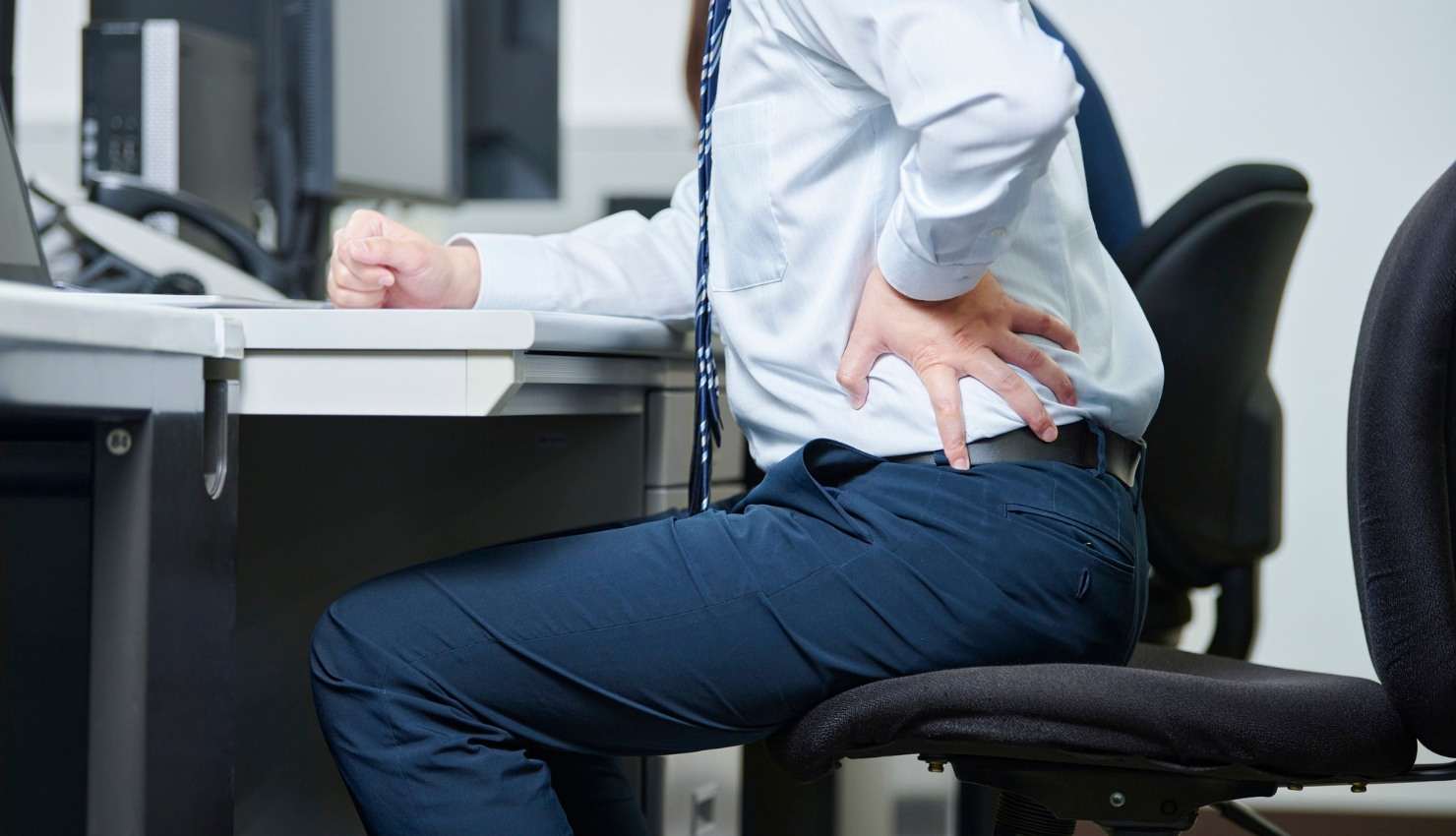
Creating a pain-free workday from home requires intentional choices in posture, ergonomics, movement, and routine. Unlike traditional office spaces that may be designed with health in mind, your home setup often evolves out of convenienceleading to common issues like back pain, neck stiffness, shoulder tension, and wrist discomfort.
1. Prioritize Ergonomics from the Start
Ergonomics is the science of designing the workspace to fit the workernot the other way around. A few small changes can drastically reduce strain:
Chair: Use an ergonomic chair with lumbar support. Your hips should be slightly higher than your knees with feet flat on the ground.
Desk: Your desk height should allow your elbows to rest at a 90-degree angle when typing.
Monitor: The top third of your screen should be at eye level and about an arms length away.
Keyboard & Mouse: Keep them close, at the same level as your elbows, to prevent shoulder hunching.
2. Keep Moving
The body isnt meant to sit for 8+ hours a day. Prolonged sitting compresses spinal discs, restricts circulation, and tightens hip and shoulder muscles.
Set a timer to stand up or move every 3045 minutes.
Incorporate stretches throughout the day.
Use walking meetings or stand during video calls.
3. Support Your Wrists and Hands
Repetitive typing and poor wrist angles can lead to pain or even carpal tunnel syndrome.
Keep wrists in a neutral, flat position when typing.
Use a wrist rest or ergonomic keyboard.
Stretch your fingers, palms, and forearms during breaks.
4. Create a Consistent Routine
Just like commuting to an office, structure your day with clear start and end times, scheduled breaks, and a movement routine.
Begin your day with light stretches.
Eat lunch away from your screen.
Avoid working from your bed or couch, which promote poor posture.
5. Stay Hydrated and Nourished
Dehydration can contribute to fatigue, headaches, and joint stiffness. Keep a water bottle at your desk and choose anti-inflammatory foods.
Conclusion
By aligning your space and routine with your bodys needs, you can dramatically reduce or eliminate pain. A little planning goes a long way in creating a healthy, pain-free workday at home.