Pelvic health affects everything from bladder control and bowel movements to posture and intimacy. Yet its often overlooked until symptoms like leakage, pain, or pressure become disruptive.

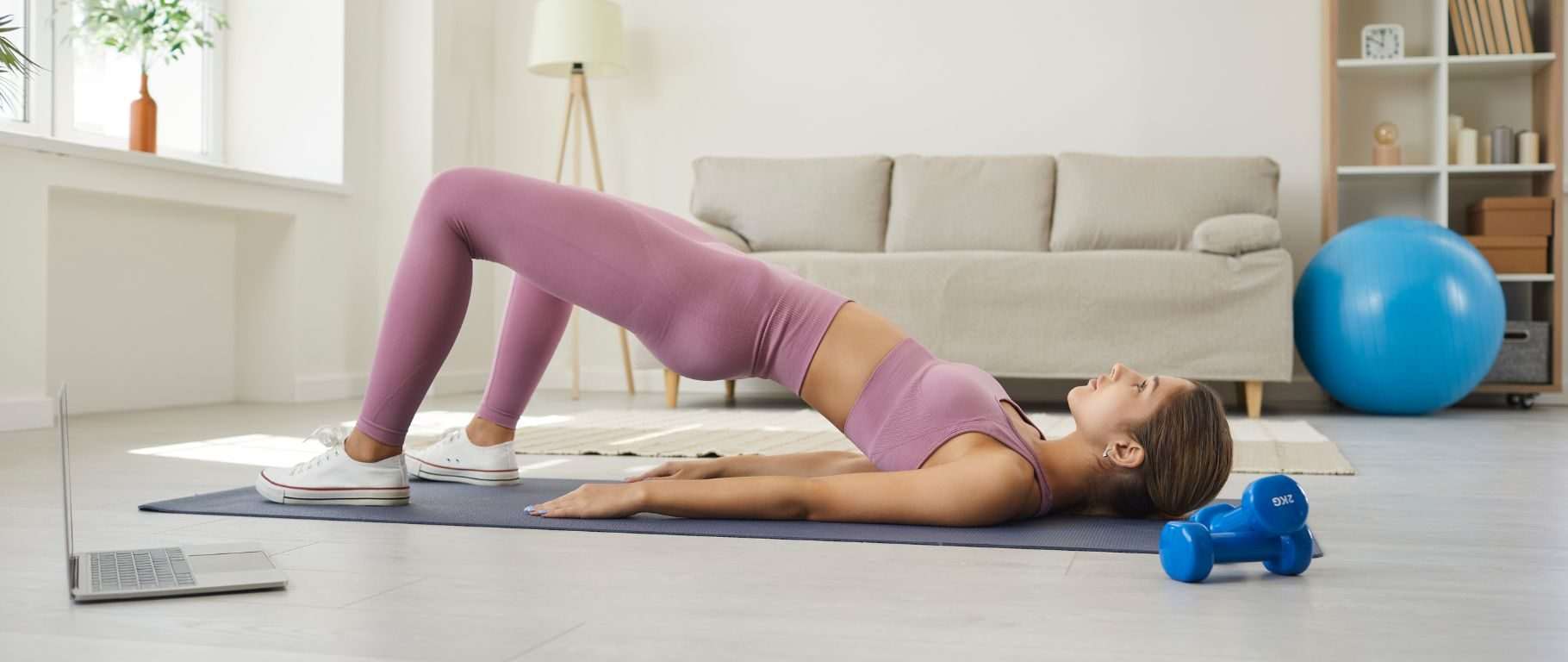
Pelvic health affects everything from bladder control and bowel movements to posture and intimacy. Yet its often overlooked until symptoms like leakage, pain, or pressure become disruptive. The good news is that you dont have to wait for problems to begin before taking action. With the right knowledge and support, you can strengthen your pelvic floor, correct bad habits, and prevent future complications.
What Is Pelvic Health and Why It Matters
Pelvic health refers to the optimal functioning of the muscles, nerves, and organs within the pelvic region. This includes the bladder, uterus, vagina, rectum, and the pelvic floor muscles that support them. When any part of this system is under strain or out of balance, it can lead to issues such as:
Incontinence
Pelvic organ prolapse
Pelvic pain
Discomfort during physical activity
Constipation or irregular bowel habits
Taking steps to improve pelvic health early is key to reducing long-term risks and maintaining a high quality of life.
Proven Ways to Improve Pelvic Health
Start Pelvic Floor Exercises (Kegels) with Physiotherapist Guidance
Kegels are effectivebut only when done correctly. A physiotherapist can assess your pelvic floor and teach you how to engage the right muscles without over-tightening. This is especially important because some women suffer from tight, rather than weak, pelvic muscles.
Incorporate Core Stability Work
The pelvic floor is part of your core system. Strengthening surrounding musclessuch as the deep abdominals and back stabilizersimproves overall function and coordination. Physiotherapists often use techniques like guided breathwork, Pilates-inspired movements, and posture correction to enhance core integration.
Address Postural and Alignment Issues
Poor posture and misalignment can place chronic pressure on the pelvic floor. A physiotherapist will identify imbalances and provide exercises to restore upright posture, reduce hip tension, and improve spinal mobility.
Practice Bladder and Bowel Awareness
Avoiding the urge just in case, staying hydrated, and not straining during bowel movements are essential habits. Physiotherapy helps reset your bladder habits, optimize toilet posture, and retrain pelvic muscles to respond correctly.
Stay Active with Low-Impact Movements
Regular movement promotes circulation and muscle tone. Activities like walking, swimming, and physiotherapist-recommended exercises keep the pelvic region healthy without excessive strain.
Be Proactive with Life Transitions
Whether its postpartum recovery, returning to exercise after injury, or preparing for menopause, pelvic physiotherapy equips you with tools to adapt safely. Preventive care during these transitions can minimize or completely avoid chronic problems later.
Preventing Future Pelvic Floor Issues
Many pelvic problems are preventable with early intervention and lifestyle adjustments. Here’s how physiotherapy helps with long-term protection:
Detects Dysfunction Early: Subtle imbalances can be corrected before they turn into pain or incontinence.
Promotes Long-Term Muscle Health: Ongoing guidance helps you avoid bad habits and sustain strength.
Reduces Need for Surgery or Medication: Natural, evidence-based strategies delay or prevent invasive treatments.
Improves Body Awareness: Learn to listen to your bodys signals and respond with informed action.
Empowering Women Through Education and Support
Pelvic health isnt just a physical issueits also emotional, psychological, and personal. At YFS, we believe in educating and supporting women at all life stages. Whether youre 25 or 65, pelvic physiotherapy can help you feel confident in your body.
Start Your Pelvic Health Journey Today
You dont have to live with discomfort, worry, or uncertainty. By partnering with a pelvic floor physiotherapist, you can gain the tools and techniques needed to improve your health now and protect it in the future. Prioritize your pelvic wellnessits a powerful act of self-care that pays off for years to come.