How to Improve Posture and Alignment During Hormonal Shifts with Physiotherapy explores targeted strategies for recovery. Discover new paths to mobility, healing, and personalized care.

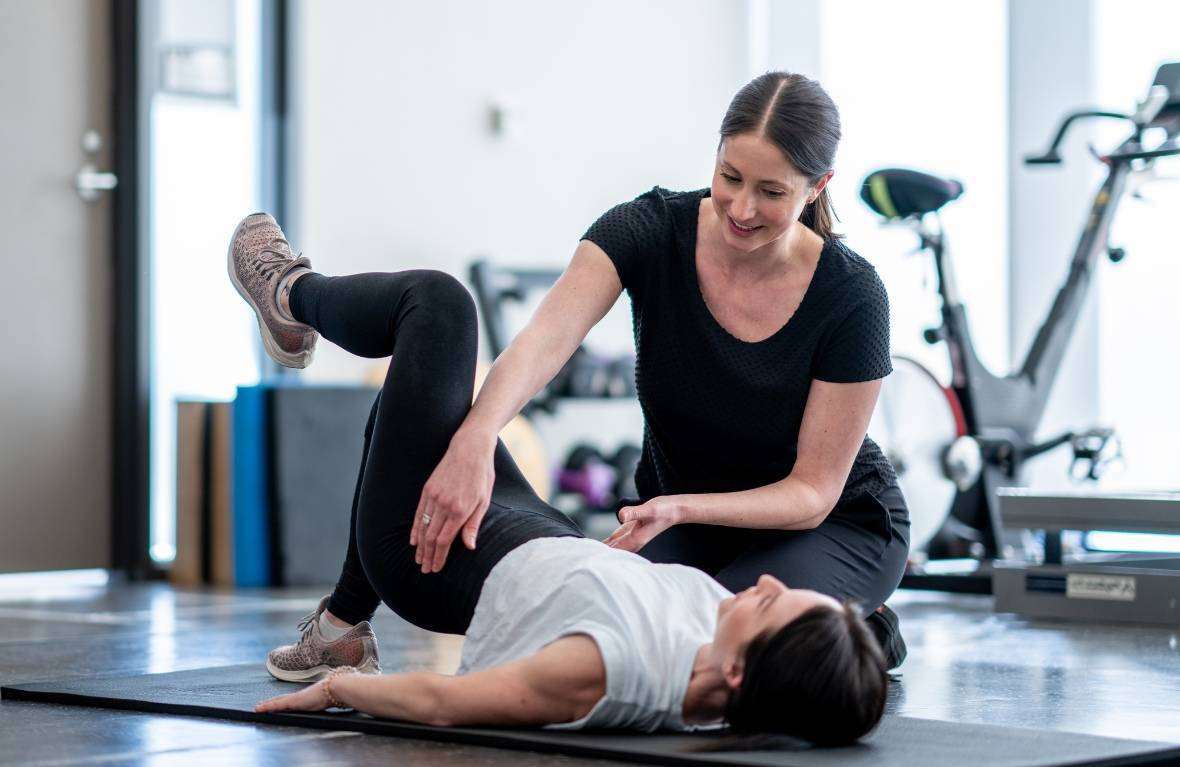
Hormonal shifts throughout a womans lifewhether during menstrual cycles, pregnancy, postpartum, or menopausebring about many physical changes. One often overlooked impact is on posture and alignment. Fluctuating hormones affect muscles, ligaments, and joint stability, which can lead to poor posture, pain, and discomfort. Physiotherapy offers targeted strategies to improve posture and alignment during these times, helping you feel stronger, more balanced, and comfortable in your body.
At YourFormsUX in Canada, we understand the challenges hormonal shifts create for your musculoskeletal system and specialize in physiotherapy solutions designed to support your posture through every stage of life.
Why Hormonal Shifts Affect Posture and Alignment
Hormones like estrogen and relaxin influence the elasticity of ligaments and connective tissues. During periods of hormonal fluctuation, ligaments may become more lax or tight, affecting joint stability and muscle function. This can result in:
Pelvic tilt or instability
Lower back pain
Rounded shoulders and neck strain
Altered gait and balance
Increased risk of injury
When posture is compromised, daily activities become uncomfortable and may contribute to chronic pain.
How Physiotherapy Helps Restore Posture During Hormonal Changes
1. Postural Assessment and Correction
Physiotherapists evaluate your posture and alignment to identify imbalances caused or worsened by hormonal shifts. Customized corrective exercises are then prescribed to strengthen weak muscles and stretch tight areas.
2. Strengthening Core and Pelvic Floor Muscles
A strong core and pelvic floor provide essential support to your spine and pelvis. Physiotherapy focuses on improving these muscle groups, enhancing stability and reducing strain on joints.
3. Manual Therapy for Soft Tissue Release
Techniques like myofascial release and massage reduce muscle tension and improve tissue flexibility, helping restore proper alignment.
4. Movement Education and Ergonomics
Learning how to move safely and setting up ergonomic environments at work and home prevent postural strain and support ongoing alignment.
5. Addressing Hormonal Joint Laxity
During times like pregnancy or menopause, physiotherapists tailor exercises to safely stabilize joints affected by increased laxity.
Benefits of Improved Posture During Hormonal Shifts
Reduced pain and discomfort
Increased energy and mobility
Enhanced breathing and circulation
Better balance and coordination
Prevention of injury and chronic conditions
Why Choose YourFormsUX for Postural Support?
At YourFormsUX, we specialize in womens health physiotherapy and tailor treatments specifically for hormonal influences on the body. Our expert team guides you through safe, effective exercises and therapies to regain alignment and feel your best.
Final Thoughts
Hormonal shifts dont have to compromise your posture or cause pain. With physiotherapy, you can restore alignment, strengthen your body, and navigate these changes with greater ease and confidence.
If you want to improve your posture during hormonal shifts, contact YourFormsUX in Canada today. Let us help you stand tall and feel balanced through every phase of life.