For many women, posture is one of the most overlooked elements of overall healthuntil pain, fatigue, or physical strain start to interfere …

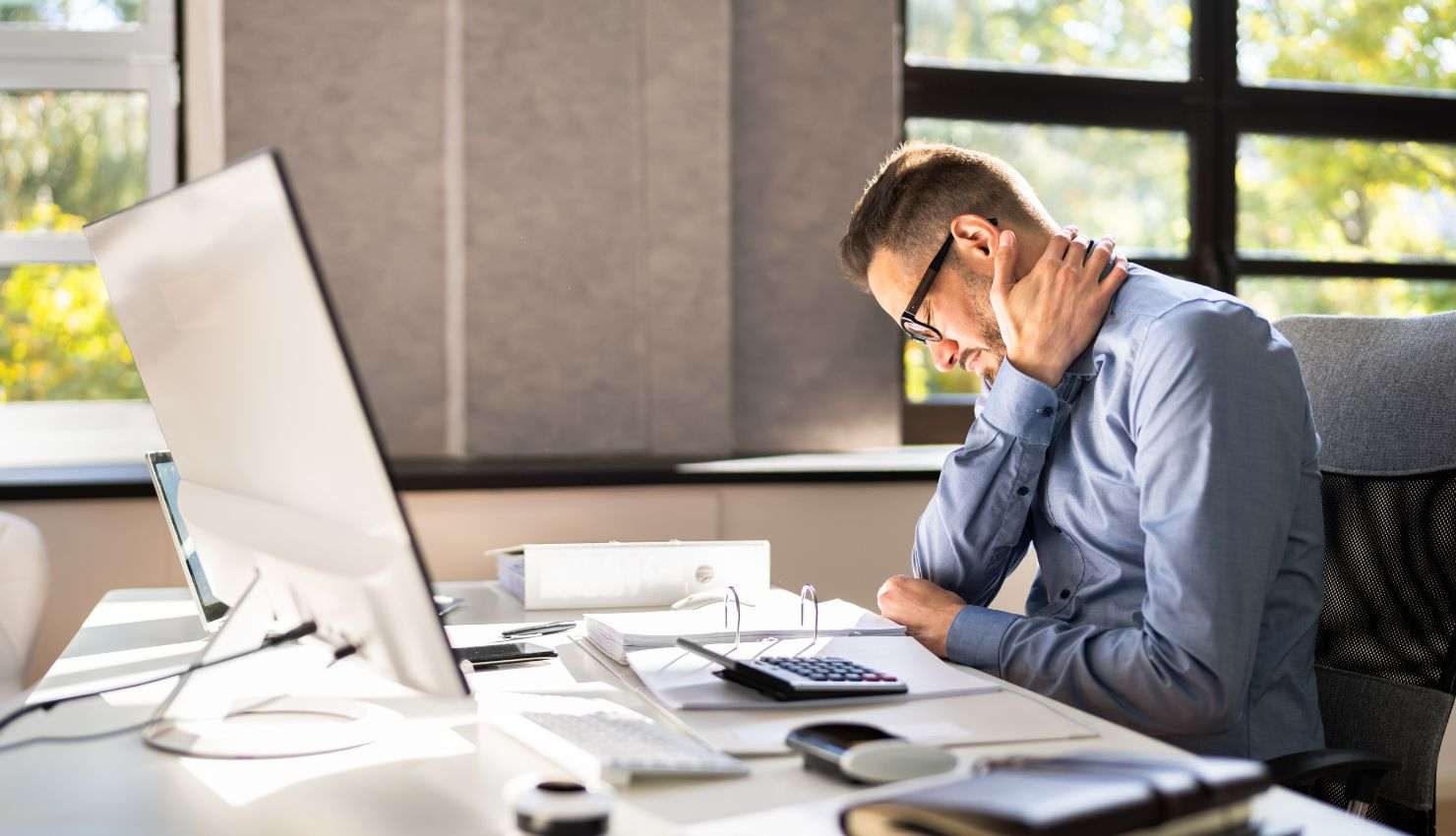
For many women, posture is one of the most overlooked elements of overall healthuntil pain, fatigue, or physical strain start to interfere with daily life. Whether youre a new mother navigating postural shifts postpartum, a professional seated for long hours, or someone simply dealing with stiffness and fatigue, poor posture can negatively impact your spine, muscles, and pelvic health. At YourFormSux (YFS), we help women across Canada realign their bodies through evidence-based physiotherapy, and one of the most effective long-term tools we recommend is posture-focused yoga and stretching.
Yoga and stretching arent just about flexibilitytheyre essential for improving postural awareness, releasing muscular tension, and strengthening the stabilizers that keep your spine aligned. Heres how you can integrate these practices into your daily routine and start standing tallerinside and out.
Why Posture Matters More Than You Think
Posture isnt just how you look; its how your body holds itself throughout movement and stillness. Poor posture leads to:
Neck, shoulder, and lower back pain
Decreased energy and poor breathing mechanics
Pelvic floor dysfunction and core instability
Digestive discomfort and tension headaches
Yoga and stretching provide a low-impact, sustainable way to retrain your muscles, relieve stress, and restore balance to your musculoskeletal system.
The Science Behind Yoga for Postural Alignment
Yoga works by improving strength, flexibility, and proprioception (your body’s ability to sense its position in space). Specific yoga poses directly target the muscles that influence posture:
Core stabilizers: like the transverse abdominis and pelvic floor, help you maintain a neutral spine
Back extensors and glutes: support upright standing and prevent lower back collapse
Chest and shoulders: often tight from daily slouching, benefit from gentle opening poses
Hip flexors and hamstrings: when tight, they pull your pelvis out of alignment
Incorporating yoga into your routine trains your body to find and hold optimal alignment throughout everyday activitiesnot just on the mat.
Best Yoga Poses to Support Posture
Practicing yoga postures that emphasize length, strength, and symmetry can improve spinal alignment and prevent the muscle imbalances that lead to slouching. Below are some of the best poses to target posture:
Mountain Pose (Tadasana)
This foundational pose teaches you how to stack your joints and engage your muscles evenly. Its an active standing position that promotes spinal elongation and alignment.
Cat-Cow Stretch (Marjaryasana-Bitilasana)
This flowing movement brings mobility to the spine and increases awareness of your spinal positioncrucial for those who sit for extended periods.
Downward-Facing Dog (Adho Mukha Svanasana)
Strengthens the shoulders, opens the chest, and stretches the hamstringssupporting spinal length and postural endurance.
Bridge Pose (Setu Bandhasana)
Activates the glutes and lengthens the hip flexors, which helps counteract pelvic tilts and supports lower back health.
Childs Pose (Balasana)
Encourages spinal decompression and relaxation, allowing the muscles to reset and release tension.
Warrior II (Virabhadrasana II)
Promotes awareness of the shoulders, hips, and corebuilding stability and stamina for upright postural support.
At YFS, we often incorporate these postures into custom physiotherapy programs to help women transition from slouching to strength with a posture-first mindset.
The Role of Stretching in Breaking Muscle Imbalances
Stretching complements yoga by targeting shortened or tight muscles that pull your spine out of alignment. Women who sit for long hours, wear heels frequently, or carry children often experience muscle tightness in the chest, hips, and lower back.
Key areas to stretch include:
Pectorals: to open the chest and roll the shoulders back
Hip flexors: to relieve anterior pelvic tilt and spinal pressure
Hamstrings: to reduce strain on the lower back
Upper trapezius and neck muscles: to relieve tension caused by forward head posture
Dynamic stretching before activity and static stretching after can help preserve your posture gains and improve flexibility over time.
Breathing and Posture: The Missing Link
Breathing deeply and correctly plays a key role in posture. Diaphragmatic breathing activates the core and pelvic floor, enhancing spinal stability without the need for bracing or excessive tension. Yoga integrates breath with movement to align the spine naturally and prevent stiffness or overcompensation.
Practice conscious breathwork such as:
Inhaling deeply through the nose, expanding the ribs laterally
Exhaling slowly while drawing the belly inward and lifting the pelvic floor
Coordinating breath with movement in poses like Cat-Cow or Warrior sequences
Breath-focused movement, as encouraged in physiotherapy-informed yoga, helps calm the nervous system and reinforces postural endurance.
Making It a Daily Practice
Improving your posture through yoga and stretching doesnt require hour-long classes. Short, consistent sessions10 to 20 minutes dailycan have a major impact when combined with postural mindfulness throughout the day.
Heres how to build the habit:
Start with morning mobility routines to reset spinal alignment
Incorporate stretch breaks into your workday to release tension
End the day with a calming sequence that supports restorative posture
Use cues like wall mirrors or video feedback to check alignment
At YourFormSux, we guide women through customized movement programs that blend therapeutic yoga with pelvic health goals. Whether youre new to yoga or returning postpartum, these routines are gentle, effective, and tailored to your unique physical needs.
Final Thoughts
Posture is not just a matter of standing up straightits a reflection of how your body functions and how it feels. Through mindful movement, targeted stretching, and postural retraining, yoga becomes a powerful tool for lasting change. Whether you’re managing postpartum recovery, working to correct chronic slouching, or simply seeking a more aligned, energized way to move, yoga and stretching offer the foundation for a healthier spine and stronger core.