Improving range of motion (ROM) is a key goal of movement therapy, which uses targeted, mi…

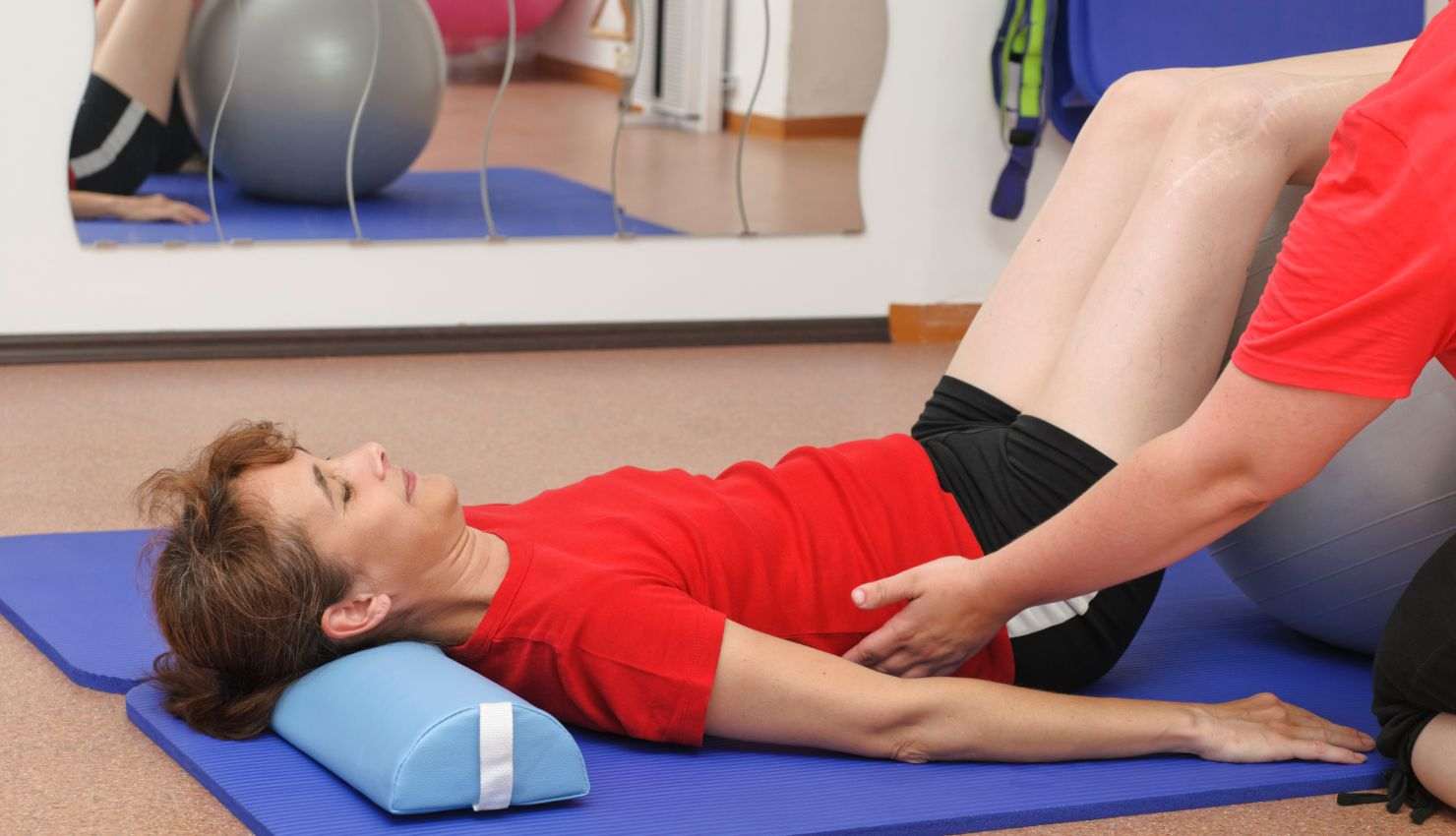
Improving range of motion (ROM) is a key goal of movement therapy, which uses targeted, mindful exercises to enhance flexibility, joint function, and neuromuscular coordination. Whether you’re recovering from an injury, dealing with stiffness, or aiming to enhance athletic performance, movement therapy can restore your body’s ability to move freely and efficiently.
? What Is Range of Motion (ROM)?
Range of motion refers to the degree of movement a joint or muscle can achieve. It’s typically measured in terms of:
Flexibility the length of muscles and tendons
Joint mobility how well a joint moves within its anatomical limits
Neuromuscular control the nervous systems ability to coordinate motion
Limitations in ROM may result from:
Injury or surgery
Chronic pain or arthritis
Muscle imbalances or tightness
Poor posture or inactivity
Neurological conditions
?? How Movement Therapy Improves Range of Motion
Movement therapy takes a functional and holistic approach. Instead of only stretching tight muscles, it addresses movement quality, joint alignment, and nervous system involvement, leading to long-lasting improvements.
?? Core Mechanisms of Improvement
Mobilization Restores joint glide and capsular stretch
Stretching Lengthens tight muscles and fascia
Strengthening Activates weak, underused muscles
Neuromuscular re-education Retrains the brain-body connection
Dynamic movement Builds movement through full range with control
????? Top Movement Therapy Techniques to Enhance ROM
Technique How It Helps Examples
Dynamic stretching Warms up and prepares tissues for movement Arm circles, leg swings
Active mobility drills Builds strength at end ranges Controlled articular rotations (CARs)
PNF stretching Contracts and relaxes muscles to lengthen them Hamstring contract-relax technique
Foam rolling / myofascial release Releases adhesions and improves glide Rolling calves, quads, lats
Somatic or Feldenkrais movement Improves body awareness and control Pelvic tilts, shoulder rolls
Joint mobilization exercises Encourages joint capsule mobility Band distractions, wall slides
?? Targeted Exercises by Joint/Region
Region Exercise Focus
Neck Chin tucks, cervical rotations Posture, muscle balance
Shoulders Wall angels, thread the needle Thoracic mobility, scapular control
Hips 90/90 transitions, hip CARs External/internal rotation
Knees Quad stretches, sit-to-stand Flexion/extension and strength
Ankles Dorsiflexion wall test, calf mobility Gait and balance
Spine Cat-cow, segmental roll-downs Flexibility and spinal control
?? Sample Daily Routine (1015 Minutes)
1. Joint Warm-Up (23 minutes)
Neck rolls, shoulder shrugs, ankle circles
2. Dynamic Stretching (3 minutes)
Leg swings, hip circles, arm circles
3. Active Mobility (5 minutes)
Hip CARs, spinal rotations, controlled squats, overhead reaches
4. Breath + Posture (2 minutes)
Diaphragmatic breathing and body scan in seated or standing posture
?? Tips for Safe and Effective Progress
Go slow Especially at end ranges of motion
Be consistent Daily practice builds long-term change
Focus on control Movement therapy is not about forcing range but retraining it
Breathe Never hold your breath during movement
Modify if needed Use props (e.g., yoga blocks, straps) and avoid painful motions
?????? Integrating ROM Work Into Your Day
Daily Activity ROM Enhancement
Sitting at desk Do seated spinal twists and shoulder rolls hourly
Brushing teeth Perform calf raises or standing hip swings
Watching TV Practice ankle pumps, neck mobility, or foam rolling
Morning routine 5-minute full-body mobility flow before breakfast