How to Improve Your Core Strength with Physiotherapy for Better Dance Moves explores targeted strategies for recovery. Discover new paths to mobility, healing, and personalized care.

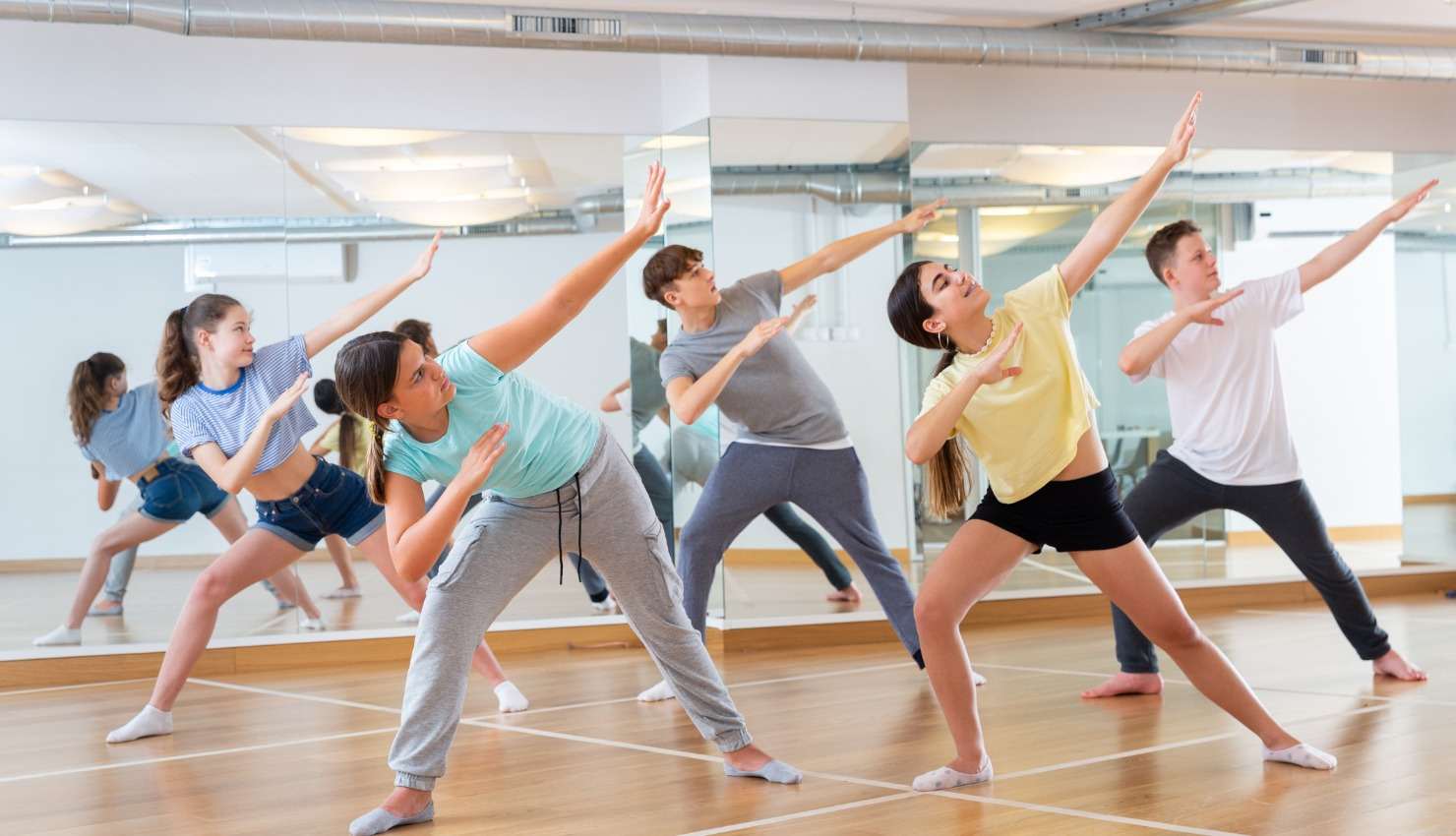
In dance, core strength is the secret behind graceful control, powerful jumps, and fluid transitions. A strong core stabilizes the spine and pelvis, improves balance, and allows precise movementwhether you’re executing a slow développé or a fast turn. Physiotherapy plays a key role in identifying weaknesses, correcting imbalances, and building a resilient, functional core that supports your performance.
?? What Is the Core, Really?
The “core” isnt just your absit includes a group of muscles that support the spine and pelvis:
Deep abdominal muscles (like the transversus abdominis)
Pelvic floor muscles
Back muscles (like the multifidus)
Diaphragm
Glutes and hip stabilizers
These muscles work together to provide dynamic stability, balance, and control in every dance movement.
????? How Physiotherapy Helps Build Dance-Specific Core Strength
1. Functional Assessment of Core Engagement
Physiotherapists assess how your core activates during movementnot just in a static plank. This identifies:
Muscle imbalances
Over-reliance on superficial muscles (e.g., rectus abdominis)
Weak or delayed deep core activation
? Outcome: A tailored core strengthening plan that fits your movement style and dance genre.
2. Dance-Specific Core Exercises
Here are key physiotherapy-based exercises that target deep core stability and movement control:
?? Transversus Abdominis Activation (“Drawing In”)
Why its essential: Foundation for all core strength
How to do it:
Lie on your back or side.
Gently “draw in” your belly button toward your spine without moving your pelvis.
Breathe normally and hold for 510 seconds.
? 23 sets of 10 reps
?? Dead Bug Progressions
Why its essential: Builds coordination between arms, legs, and core
How to do it:
Lie on your back, knees bent at 90°, arms up.
Lower opposite arm and leg while keeping your lower back flat.
Return and repeat on the other side.
? 23 sets of 812 reps
?? Glute Bridge with Core Engagement
Why its essential: Trains posterior chain + core synergy for jumps and lifts
How to do it:
Lie on your back, knees bent.
Engage core and lift hips into a bridge, maintaining alignment.
Lower slowly.
? 2 sets of 1215 reps
?? Standing Pallof Press
Why its essential: Trains anti-rotation for turns, balances, and floor work
How to do it:
Attach a resistance band at chest height.
Stand sideways, hold band with both hands, and press out in front.
Resist the urge to twist.
? 2 sets of 10 reps each side
3. Postural Alignment Training
Physiotherapists help you:
Maintain neutral pelvis and spine during complex dance sequences
Improve scapular and pelvic control
Use visual feedback and cues to reinforce healthy movement patterns
? Better posture = better balance, stability, and line
4. Breathing and Core Connection
Your diaphragm is part of your core. Physiotherapists train dancers to:
Breathe deeply and efficiently
Connect breath to movement (e.g., breath to support a leap or arabesque)
Reduce tension in the upper body
? Helps with stamina, fluidity, and injury prevention
?? Benefits of Improved Core Strength for Dancers
Smoother transitions and controlled landings
More powerful jumps and precise turns
Reduced risk of lower back, hip, and pelvic injuries
Enhanced balance and body awareness
Better performance quality with less fatigue
?? Quick Tips for Dancers
Include 1015 minutes of core-focused work 34 times a week
Avoid over-relying on crunches; focus on functional control
Always pair core work with proper breathing and alignment
Consult a physiotherapist for a personalized program