Step-by-Step Guide to Proper Desk Posture ????? 1. Start from the Ground Up: Feet First

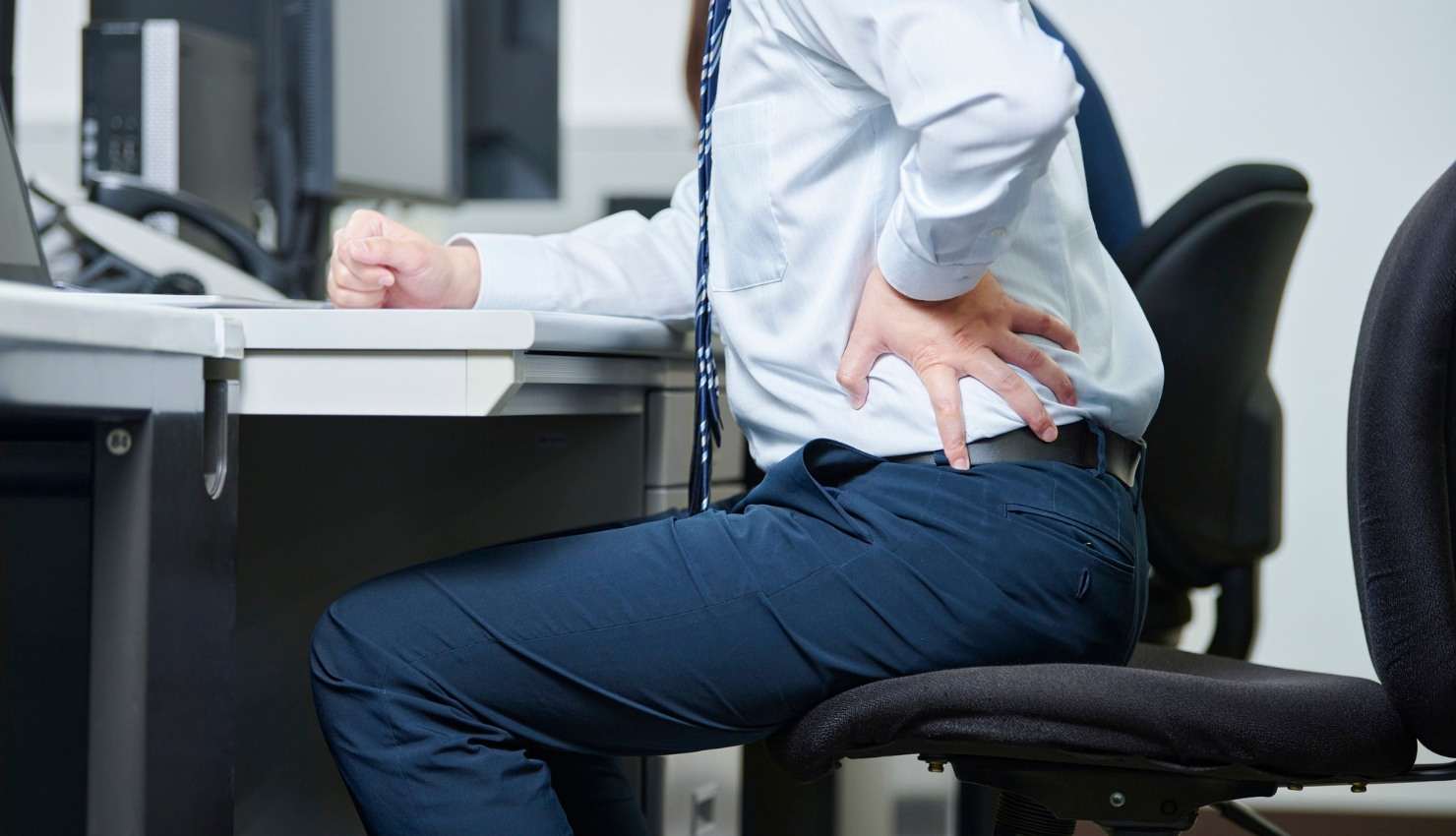
Step-by-Step Guide to Proper Desk Posture
????? 1. Start from the Ground Up: Feet First
Feet should be flat on the floor or on a footrest
Knees at 90100° angle, slightly lower than hips
Avoid crossing legs or tucking feet under the chair
Tip: If your chair is too high, use a sturdy box or footrest.
?? 2. Adjust Your Chair
Sit all the way back in your chair
Use a lumbar support (or a rolled-up towel) to maintain the natural curve of your lower back
Hips slightly higher than your knees for better pelvic alignment
Ensure the seat depth allows 23 fingers of space behind your knees
Tip: Your back should feel supportednot slouched or tense.
????? 3. Align Your Spine and Shoulders
Sit tall with your ears, shoulders, and hips aligned vertically
Relax your shouldersdont let them creep toward your ears
Pull shoulder blades gently down and together (think “proud chest”)
Fix: If you notice rounding or hunching, take short posture reset breaks every hour.
??? 4. Set Your Elbows and Wrists
Elbows at 90°100° and close to your body
Forearms parallel to the ground
Wrists in a neutral positionnot bent upward or downward
Mouse and keyboard should be at the same level and within easy reach
Ergonomic tip: Use a wrist rest if needed to reduce pressure on the carpal tunnel.
?? 5. Raise Your Screen
Top of your monitor should be at or just below eye level
Screen distance: About an arms length away (1828 inches)
Laptop users: Use a laptop stand or stack of books + external keyboard/mouse
Fix: Looking down = neck strain. Lift your screen, not your chin.
?? Bonus: Daily Micro-Movements to Maintain Posture
Movement Reps
Chin tucks 10
Shoulder blade squeezes 10
Seated spinal twists 5/side
Wrist stretches 30 sec/side
Standing stretch breaks Every 3060 min
Set a timer or use an app (like Stretchly, Pomofocus) to stay consistent.
?? Physiotherapist Insight
Poor posture isnt just about bad habitsits often the result of an unsupportive environment and muscular imbalances. Fix the setup, then support your body with movement and strength.
Ergonomics dont need to be expensivejust intentional.