Incorporate Desk-Friendly Stretch Breaks Even short breaks to stretch during your workday can help maintain joint mobility and ease muscle tension.

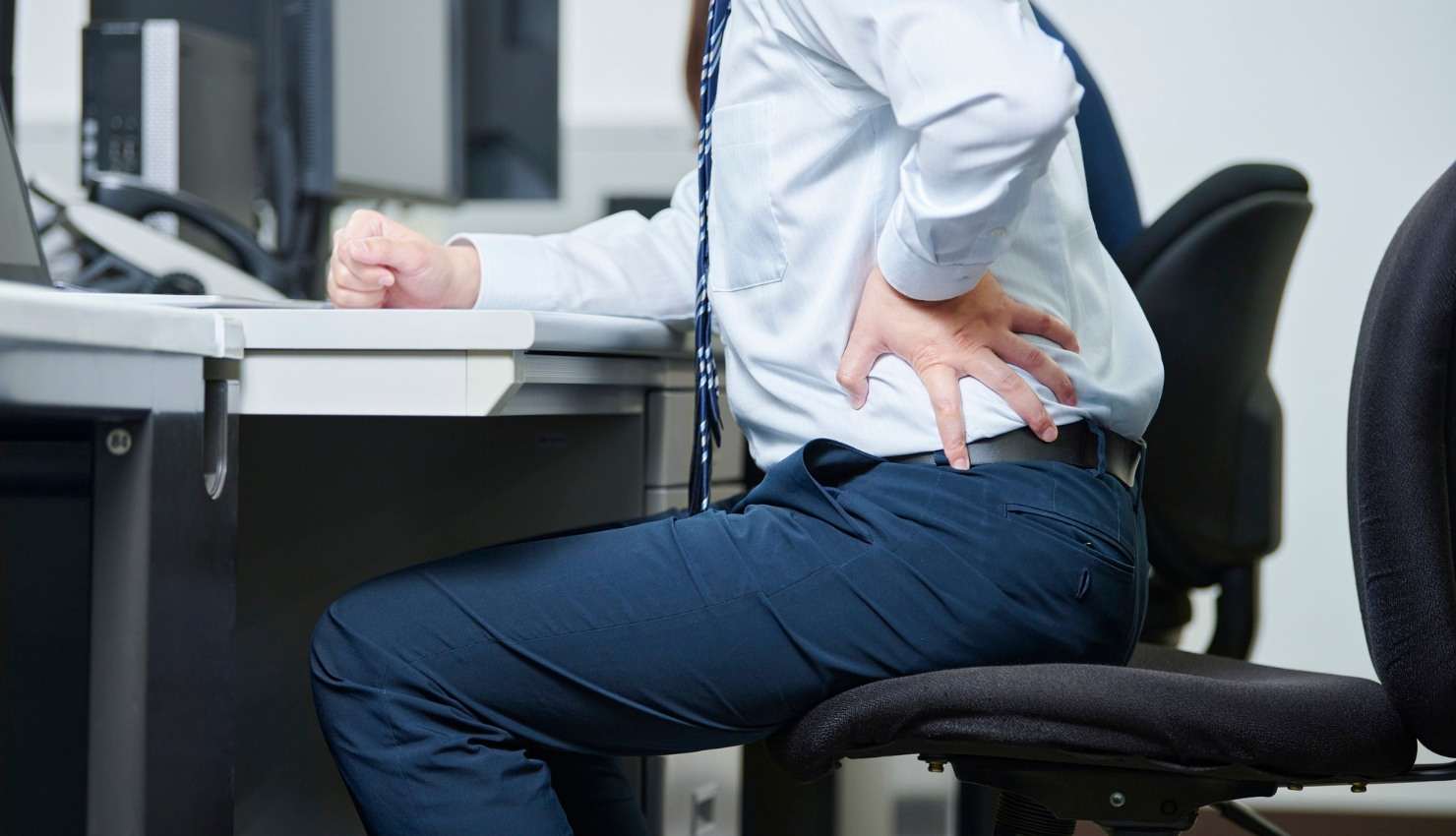
Incorporate Desk-Friendly Stretch Breaks
Even short breaks to stretch during your workday can help maintain joint mobility and ease muscle tension.
Try these quick stretches every 12 hours:
Neck stretch: Gently tilt your ear toward your shoulder and hold
Shoulder rolls: Roll shoulders backward 10x to release tension
Seated spinal twist: Rotate your upper body while seated to stretch your spine
Hamstring stretch: Stand and reach for your toes or prop one leg up on a chair
Hip flexor lunge: Step into a gentle lunge beside your desk
?? Set a reminder every hour to stand up and moveeven just for 35 minutes.
?? 2. Avoid Static Sitting by Changing Positions Often
Staying in one position too longeven with good posturecan restrict blood flow and tighten muscles.
Switch it up:
Alternate between sitting and standing throughout the day
Sit on a stability ball occasionally to activate your core
Use a standing desk for portions of the day
Try kneeling or squatting stretches during breaks
?? Movement is the best antidote to stiffness.
?? 3. Add Mobility Work into Your Morning or Evening
Flexibility improves with consistency, not intensity. Just 1015 minutes of mobility-focused movement a day can make a difference.
Daily flexibility routine (no equipment):
Cat-cow pose: Loosens spine and core
Worlds greatest stretch: Opens hips, hamstrings, and back
Chest opener against wall or doorframe: Reverses desk hunch
Seated forward fold: Relaxes the back and stretches hamstrings
Deep squat hold: Improves hip and ankle mobility
?? Best done at the start or end of your day for maximum benefit.
?? 4. Understand What Flexibility Really Means
Its not just about touching your toes. Flexibility is your ability to move joints and muscles through their full range of motion, which requires:
Healthy muscle tissue
Supple connective tissue
Good joint mobility
Balanced strength and control
?? A physiotherapist can assess your movement patterns and spot tight or overcompensating areas.
??? 5. Use Tools to Enhance Flexibility
You dont need a gym to improve your mobilityjust a few simple tools:
Foam roller: Great for quads, IT bands, upper back
Massage ball or lacrosse ball: Targets glutes, calves, and shoulder blades
Yoga strap or belt: Helps with hamstring and shoulder stretches
Standing desk: Encourages natural movement throughout the day
?? Use these during breaks or post-work to release tight tissue.
?? 6. Stay Hydrated and Breathe Properly
Dehydration reduces tissue elasticity and joint lubrication. Deep breathing also promotes relaxation and flexibility.
? Drink water consistently throughout the day
? Practice diaphragmatic breathing during stretchesinhale deeply through the nose, exhale slowly through the mouth
?? Breathing well and staying hydrated are simple ways to support tissue health.
????? 7. Consult a Physiotherapist for a Tailored Plan
If you:
Feel tight no matter how much you stretch
Have one side more flexible than the other
Experience recurring stiffness or pain
its time for a personalized flexibility assessment. A physiotherapist can:
Identify mobility restrictions or movement imbalances
Prescribe dynamic vs. static stretches suited to your needs
Help you build flexibility safely, without overstretching
????? Custom care = better results and fewer injuries.
? Flexibility Quick Wins for Home Office Workers
Goal Action Item
Ease neck tension Neck tilts, shoulder rolls every hour
Loosen tight hips Standing or kneeling hip flexor stretches
Improve spinal mobility Seated twists, cat-cow, wall extensions
Increase hamstring length Seated or standing forward folds
Reverse hunching posture Chest openers, thoracic foam rolling