Start with a Supportive Chair Your chair is the foundation of a healthy setup. Avoid soft couches and hard dining chairs. Instead, look for:

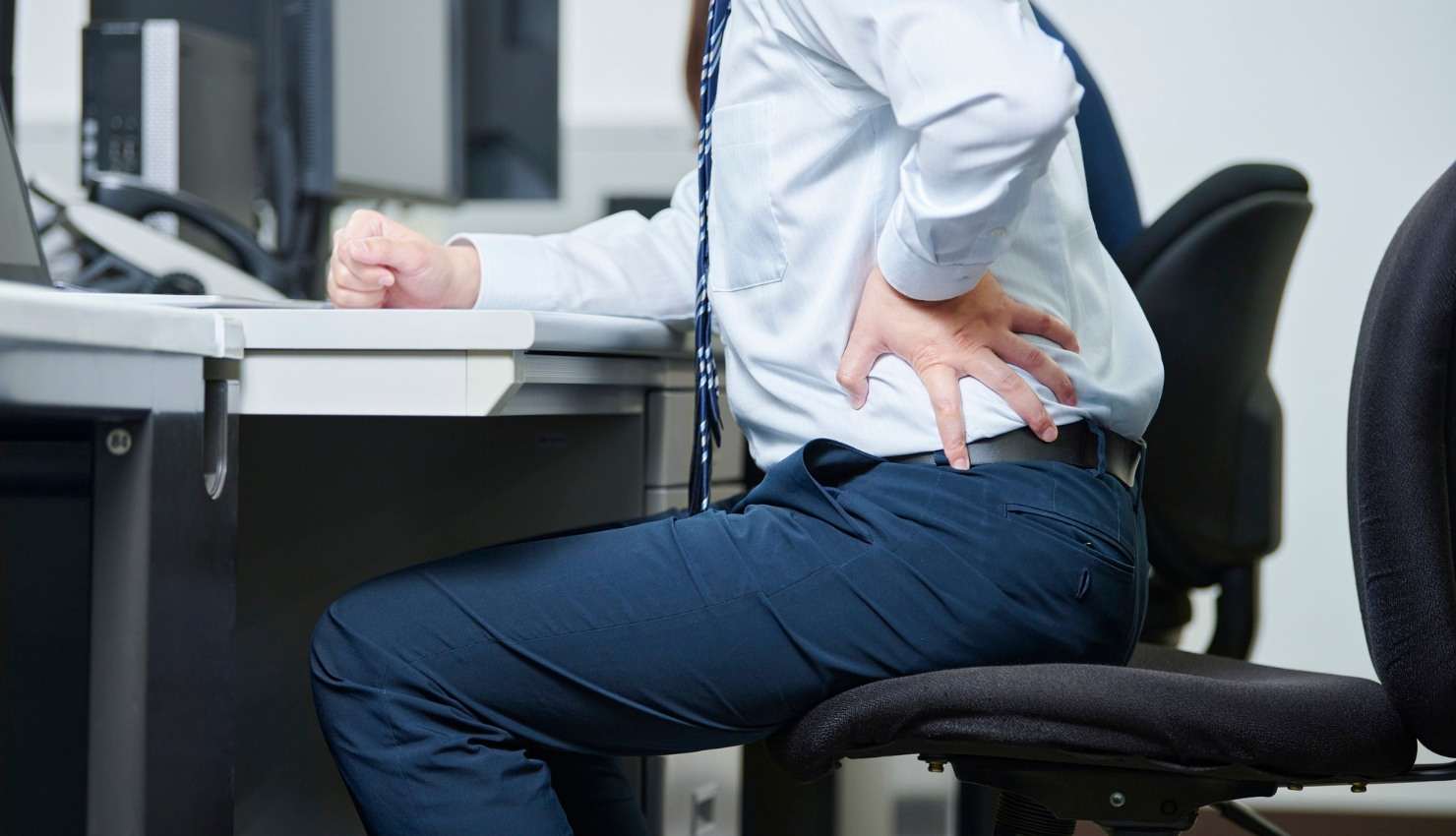
Start with a Supportive Chair
Your chair is the foundation of a healthy setup. Avoid soft couches and hard dining chairs. Instead, look for:
Adjustable seat height and armrests
Built-in lumbar support, or add a small pillow behind your lower back
Feet flat on the floor or on a footrest, knees at ~90°
?? A chair that supports the natural curve of your spine reduces fatigue and prevents back pain.
??? 2. Position Your Monitor at Eye Level
A poorly placed screen can cause neck and eye strain.
Monitor setup tips:
Top of the screen at or just below eye level
Arms length distance from your eyes (about 2028 inches)
Use a laptop stand or stack of books if necessary
?? Maintains neutral neck posture and improves focus.
?? 3. Optimize Keyboard and Mouse Placement
Reaching forward strains your shoulders and spine.
? Make sure:
Elbows are close to your body, bent at ~90°
Wrists are straight, not flexed or extended
Mouse and keyboard are on the same level and directly in front of you
?? Use an external keyboard/mouse if youre working on a laptop full-time.
?? 4. Create a Space That Supports Mental Wellness
Productivity isn’t just physicalits psychological too.
?? Try this:
Place your desk near natural light to reduce eye strain and boost mood
Add plants for calm and cleaner air
Keep clutter away to reduce visual distractions
?? A clear space promotes a clear mind.
?? 5. Incorporate Movement into Your Day
Even the best chair cant protect you from too much sitting.
?? Schedule:
Mini breaks every 3060 minutes
Stretching routines (neck rolls, shoulder shrugs, standing hamstring stretches)
Short walks between meetings or during calls
?? Movement improves circulation, reduces stiffness, and increases productivity.
?? 6. Alternate Between Sitting and Standing
Standing desks or desk converters help you reduce sedentary timebut only when used correctly.
Tips:
Transition gradually (start with 1530 mins/hour)
Maintain proper posture (neutral spine, feet flat, monitor at eye level)
Use a supportive mat and wear shoes with cushioning
?? The goal is variety: alternate positions throughout the day.
?? 7. Minimize Noise and Digital Distractions
Environmental noise and constant notifications can disrupt your flow.
Suggestions:
Use noise-canceling headphones or a white noise machine
Turn off non-essential notifications
Designate a clear work zone free from TV or home traffic
?? Quiet surroundings improve focus and reduce mental fatigue.
? 8. Use Lighting That Reduces Eye Strain
Poor lighting can lead to squinting, dry eyes, and headaches.
?? Ideal lighting includes:
Natural light where possible
A desk lamp with warm white LED
Reduced glare on your screen (use blinds or matte screen protectors)
?? Consider blue light filtering glasses or screen settings in the evening.
?? Home Office Setup Checklist
Element Healthy Setup Tip
Chair Adjustable with lumbar support
Monitor Eye level, arms length away
Keyboard/mouse Elbows at 90°, wrists straight
Lighting Natural or LED light, avoid glare
Posture Head over shoulders, feet flat
Breaks Stand/stretch every 3060 minutes
Environment Clean, quiet, mentally uplifting space