Pelvic health isnt just about recoveryits about prevention, maintenance, and strengthening through everyday choices. From diet and hydration to targeted movement and stress management, the way you live impacts the long-term strength and function of your pelvic floor.

Pelvic health isnt just about recoveryits about prevention, maintenance, and strengthening through everyday choices. From diet and hydration to targeted movement and stress management, the way you live impacts the long-term strength and function of your pelvic floor. Adopting pelvic-friendly lifestyle habits and exercises can help prevent issues like incontinence, prolapse, and pelvic pain at any stage of life.
Why Pelvic Health Needs Daily Attention
Your pelvic floor is a dynamic group of muscles that supports your bladder, bowel, uterus, and spine. These muscles work in coordination with your core and diaphragm. When theyre weak, overactive, or unbalanced, dysfunction sets inoften slowly, over time.
Common lifestyle factors that can undermine pelvic health include:
Poor posture during sitting or standing
Chronic straining during bowel movements
High-impact activities without core control
Lack of hydration or fiber
Holding in urine for too long
Stress and shallow breathing
The good news? These habits can be reversedand new, supportive patterns can be learned through physiotherapy and self-care.
Foundational Exercises for Pelvic Health
Diaphragmatic Breathing
Proper breathing coordinates with pelvic floor movement. When you inhale deeply, your diaphragm descends, and the pelvic floor naturally lengthens. On exhale, it gently lifts. Practicing deep belly breathing helps reduce pelvic tension and builds awareness of these core muscles.
Pelvic Floor Muscle Exercises (Kegels)
Learning to contract and relax the pelvic muscles properly is crucial. Kegels should be done under the guidance of a pelvic physiotherapist to ensure correct technique, especially if there is overactivity or pain.
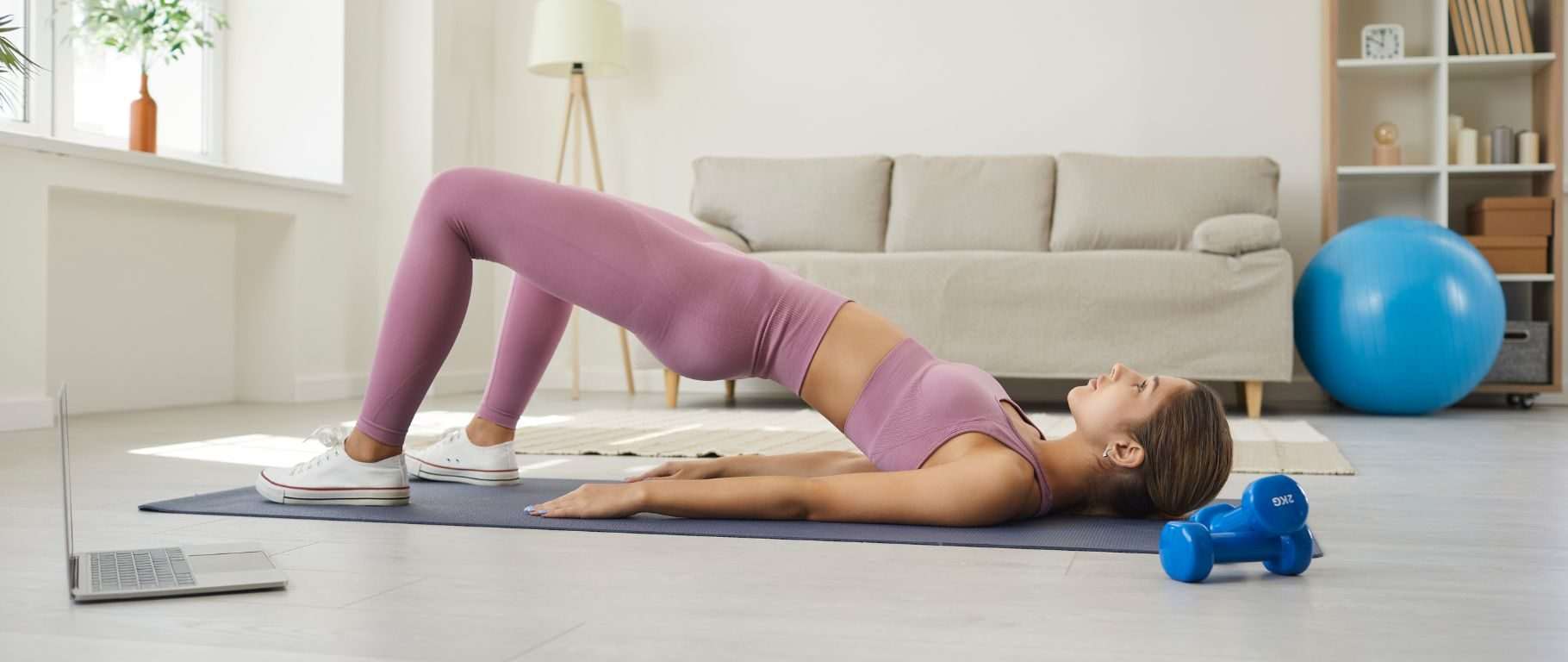
Bridge Pose
Lying on your back with knees bent, lift your hips while squeezing your glutes and engaging your pelvic floor. This helps strengthen the posterior chain and pelvic base.
Bird Dog
Kneel on hands and knees, extend one arm and opposite leg, and engage your core and pelvic floor to stabilize. This improves coordination and postural alignment.
Wall Squats
Lean against a wall and slide into a squat, keeping knees aligned and core engaged. Its a functional way to train glutes and pelvic support muscles.
Lifestyle Changes to Support a Healthy Pelvic Floor
Hydrate consistently: Adequate water supports bladder and bowel health, making pelvic floor work less strenuous.
Eat fiber-rich foods: Prevents constipation and straining, which can weaken pelvic support over time.
Avoid prolonged sitting: Break up long hours at a desk with standing and stretching. Use an ergonomic setup that promotes neutral spine alignment.
Use proper lifting techniques: Always engage your pelvic floor and exhale when lifting heavy items to prevent excess pressure.
Maintain a healthy body weight: Reducing extra pressure on the pelvis helps prevent prolapse and stress incontinence.
Integrate movement into your day: Walk regularly, practice yoga or Pilates, or do physiotherapist-approved home exercises to keep pelvic muscles activated.
Managing Stress for Pelvic Health
Stress directly impacts pelvic tension. When stressed, people often unknowingly clench their pelvic floor muscles, which can lead to dysfunction or pain. Incorporating stress-reducing techniques like mindfulness, meditation, and relaxation breathing supports both physical and emotional pelvic wellness.
When to See a Pelvic Floor Physiotherapist
While exercise and lifestyle changes offer foundational benefits, seeing a physiotherapist ensures your routine is safe and effective. You should consider professional help if you experience:
Urinary or fecal leakage
Pelvic pressure or heaviness
Pain during intercourse
Persistent lower back or pelvic pain
Difficulty with bowel movements
A physiotherapist will assess your muscle tone, movement patterns, and breathing to tailor a plan specific to your needs.
Conclusion
You have more control over your pelvic health than you may realize. With consistent attention to movement, posture, nutrition, and breath, you can build a resilient pelvic floor that supports your body through all phases of life.
Whether you’re recovering from childbirth, entering menopause, or simply seeking better function, lifestyle and exercise changesguided by expert carecan make all the difference. Start today with small, informed steps that build lifelong pelvic strength and confidence.