Master the Ideal Sitting Posture Your goal is to maintain a neutral spine with natural curves in your neck, mid-back, and lower back.

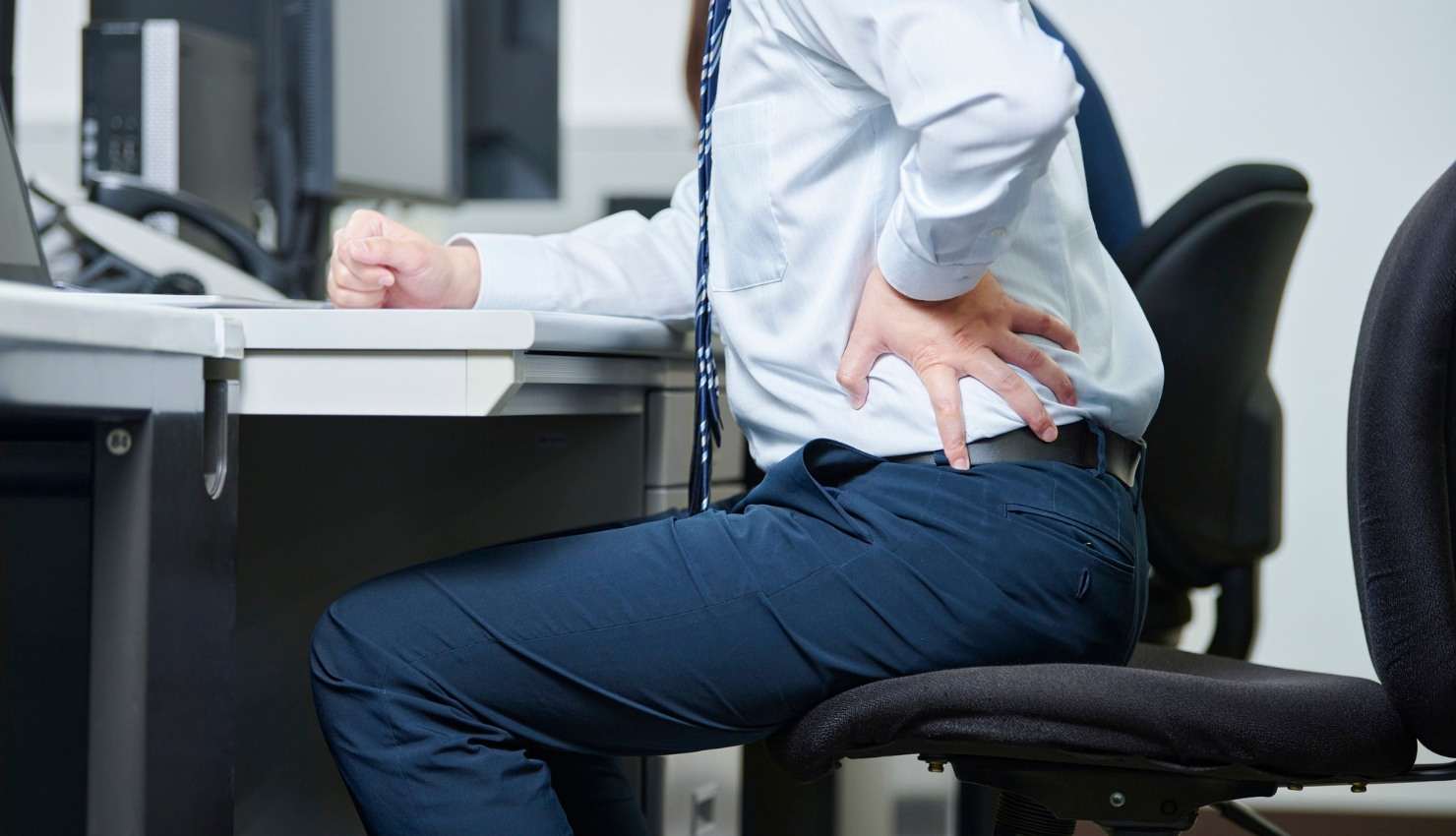
Master the Ideal Sitting Posture
Your goal is to maintain a neutral spine with natural curves in your neck, mid-back, and lower back.
? Ideal Sitting Checklist:
Feet flat on the floor or footrest
Knees at hip level or slightly lower
Hips back in the chair, not slouched forward
Back upright, with lumbar (lower back) support
Shoulders relaxed, not hunched
Elbows at 90°, close to your body
Wrists straight, aligned with forearms
?? Think: ears over shoulders, shoulders over hips.
?? 2. Optimize Your Desk and Screen Setup
Poor posture often starts with bad equipment placement.
Adjust these:
Monitor: Eye level, about an arms length away
Chair height: So elbows rest at 90° on desk surface
Keyboard and mouse: Close to the body, wrists flat
Lumbar support: Use a small cushion or rolled towel
?? A small change in setup can make a huge difference in how your body feels.
????? 3. Break Up Long Sitting Periods
Even with perfect posture, static positions cause strain.
Do this:
Stand up every 3060 minutes
Do quick stretches: neck rolls, shoulder shrugs, chest openers
Alternate between sitting and standing if possible (e.g., with a laptop riser)
Try the Pomodoro method: 25 minutes work + 5 minutes movement
?? Your best posture is your next posture.
?? 4. Strengthen Your Postural Muscles
Good posture isnt just about sitting correctly its about training your muscles to hold you there.
Focus on:
Core (planks, dead bugs)
Upper back (rows, scapular squeezes, wall angels)
Glutes and hips (bridges, clamshells)
Neck and shoulder stability (chin tucks, resistance band pulls)
??? Just 1015 minutes/day can reinforce better posture habits.
????? 5. Stretch Commonly Tight Areas
Postural strain is often caused by tight chest, hip flexors, and neck muscles.
Stretch daily:
Pectorals (doorway chest stretch)
Neck/upper traps (side neck stretch)
Hip flexors (lunging stretch)
Hamstrings (seated or standing stretch)
? Hold each stretch for 2030 seconds, breathing deeply.
?? 6. Avoid These Common Posture Mistakes
Watch out for:
Slumping into your chair
Perching on the edge of your seat
Forward head posture (“tech neck”)
Crossing your legs for long periods
Working from bed or couch
?? All these habits contribute to neck, back, and shoulder pain.
?? 7. Train Body Awareness
A key to better posture is learning to notice when youre out of alignment.
Try:
Setting a posture check reminder every hour
Using sticky notes with cues like Sit tall or Relax shoulders
Practicing mindful sitting 30 seconds of deep breathing and alignment
?? Some people even record themselves sitting to catch unconscious habits.
? Quick Posture Reset (2-Minute Routine):
Sit upright in your chair
Tuck your chin slightly
Roll your shoulders back and down
Engage your core gently
Take 3 deep breaths, letting your ribs expand sideways
?? Final Takeaway:
Improving posture at your home desk is about more than just sitting up straight. Its a mix of ergonomics, movement, muscle support, and mindfulness. With consistent attention and the right strategies, you can prevent pain and build long-term comfort and resilience.
Would you like a printable Perfect Desk Posture infographic or a 10-minute daily posture routine created by a physiotherapist?