Good posture is key to avoiding pain, fatigue, and long-term injury. But working from homeoften in makeshift setupscan lead to slouching, hunching, and spinal strain. The good news? You can improve your posture with a few simple adjustments and habits.

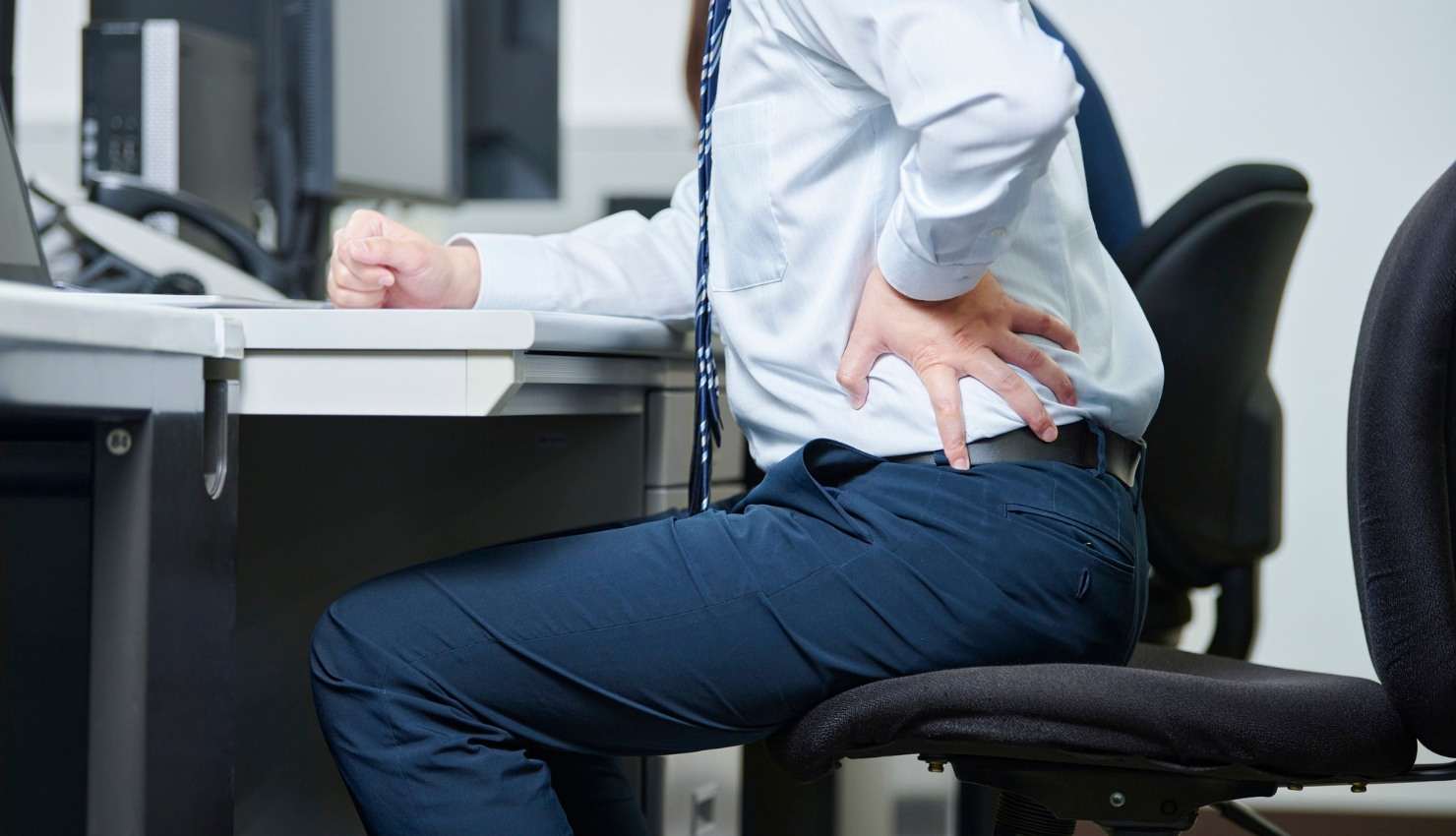
Good posture is key to avoiding pain, fatigue, and long-term injury. But working from homeoften in makeshift setupscan lead to slouching, hunching, and spinal strain. The good news? You can improve your posture with a few simple adjustments and habits.
1. Understand What Good Posture Looks Like
Head aligned with your spinenot jutting forward.
Shoulders relaxed and pulled slightly back.
Back upright, with a gentle curve in the lower spine.
Hips above or in line with knees.
Feet flat on the floor, not crossed.
2. Set Up Your Desk for Posture Success
Use a chair with lumbar support.
Position your screen at eye level to avoid craning your neck.
Keep keyboard and mouse close to avoid reaching forward.
Sit at a desk that allows your elbows to rest at a 90-degree angle.
3. Use Posture Reminders
Set hourly reminders to check and reset your posture.
Use sticky notes or desktop alerts.
Try posture apps or wearable posture trainers.
4. Do Daily Posture Exercises
Chin tucks: Pull your head straight back to align your spine.
Wall angels: Slide arms up and down a wall while keeping your back flat.
Thoracic extension: Use a foam roller to open the chest and upper back.
5. Take Posture Breaks
Stand up and stretch every 3060 minutes.
Roll your shoulders and neck.
Do a gentle backbend or walk around to reset your spine.
6. Strengthen Core and Back Muscles
Strong postural muscles help maintain alignment naturally.
Do planks, bridges, and rows 34 times per week.
Practice yoga or Pilates to improve flexibility and strength.
7. Avoid These Common Habits
Working from the couch or bed
Slumping over your laptop
Crossing legs or hunching over your phone
Conclusion
Improving your posture at home is all about awareness, ergonomics, and regular movement. With consistent effort, you can retrain your body to sit, stand, and work in ways that reduce pain and support long-term health.