How to Incorporate Movement for Mental Health and Emotional Balance brings new meaning to proactive care. Tap into fresh strategies that promote movement and strength.

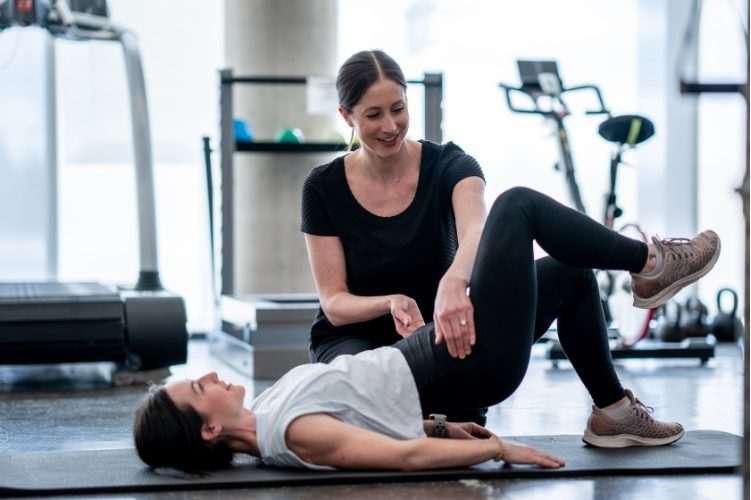
Emotional balance doesnt come from avoiding stressit comes from learning how to manage it. In todays fast-paced world, more people are turning to movement as a proactive way to maintain mental clarity and emotional stability. At YourFormSux (YFS), we guide individuals in using movement as a therapeutic tool that supports mental wellness in a sustainable, body-centered way. Whether you’re struggling with anxiety, emotional fatigue, or mood swings, movement can offer a practical and empowering path toward balance.
The Mind-Body Connection: Why Movement Matters
The body and mind are intricately connected. Emotional distress often presents as physical symptomstight shoulders, shallow breathing, tension headaches, or restlessness. Movement helps regulate this connection by resetting the nervous system, improving circulation, and increasing the release of endorphins and serotonin.
At YFS, we use movement-based physiotherapy to address both the physical and emotional manifestations of stress, creating lasting improvements in mood, focus, and emotional resilience.
Simple Ways to Begin Moving for Mental Health
You dont need a gym or a fitness routine to begin using movement to improve your mental state. It starts with simple, mindful actions that reconnect you with your body and help discharge built-up tension.
Some approachable practices we recommend at YFS include:
Breath-coordinated stretching in the morning to open your chest and improve oxygen flow.
Gentle walking for 1015 minutes outdoors to regulate your nervous system and boost mood.
Midday posture checks to reduce the physical impact of stress on your spine and muscles.
Evening mobility work to wind down and prepare your body and mind for sleep.
Each of these can be customized to fit your comfort level and energy on any given day.
Using Movement to Shift Emotional States
Emotions are energy, and when theyre not expressed, they get stored in the body. Movement helps release that emotional buildup. For example:
Feeling anxious? Slow, rhythmic motion like swaying, light walking, or deep breathing in sync with movement can ground your nervous system.
Feeling overwhelmed or angry? Larger, repetitive movementslike reaching or twistingcan help release pent-up energy.
Feeling low or tired? Gentle stretching and upright posture work can create a subtle lift in mood and focus.
At YFS, we teach clients how to read their emotional state and select movement strategies to support rebalancing.
Making Movement a Consistent Part of Your Day
One of the biggest challenges in maintaining emotional health is consistency. Thats why we emphasize creating sustainable movement habits at YFS. Instead of aiming for high-intensity workouts, we help clients develop realistic routines that integrate naturally into their day.
Heres how to do that:
Anchor movement to habits you already have. Do five minutes of stretching after brushing your teeth.
Set reminders. Use gentle prompts throughout the day to check in with your posture or do a brief breathing exercise.
Create movement rituals. Start or end your day with a specific motion, such as spinal twists or neck rolls, to help reset mentally.
These small practices create big emotional shifts over time.
Supporting Emotional Regulation Through Posture and Breath
Your posture and breath are two of the most immediate ways to shift your emotional state. When youre stressed or anxious, your body curls inward, breath shortens, and muscles tighten. Reversing those patterns through intentional movement helps signal to your brain that you’re safe and grounded.
At YFS, we focus on physiotherapy exercises that open the chest, align the spine, and expand breathing capacity. These movements are particularly powerful for individuals experiencing anxiety, burnout, or emotional overwhelm.
Movement as an Emotional Safety Net
When used regularly, movement becomes a safety net. It gives you a tool you can turn to in moments of stress, indecision, or sadness. Instead of spiraling into negative thought loops, you learn to move through your emotionsliterally.
Our YFS clients learn to view movement not as a task, but as a form of self-care and emotional hygiene. Its something they do to feel better, think clearer, and return to balance.
Customizing Movement for Your Mental Health Goals
Everyones emotional journey is different. Thats why at YFS, we personalize movement plans to fit your specific mental health needs. Whether youre navigating high-functioning anxiety, healing from emotional trauma, or simply looking to improve your emotional awareness, well help you find the right movements to support your goals.
No matter your level of fitness or flexibility, there is a form of movement that can help you restore balanceand well help you find it.
Conclusion: Move Into Emotional Balance, One Step at a Time
Mental health isnt just about your thoughtsits about how you move, breathe, and care for your body. Movement is a powerful way to recalibrate, reconnect, and find your emotional center. At YourFormSux, we empower you with practical, therapeutic movement strategies that become part of your everyday life.
You dont need to do it all at once. Just begin. With each stretch, breath, and step, you move closer to the emotional balance you deserve.