Strong pelvic floor muscles are essential for bladder control, core stability, and sexual health. Yet, many women are unsure how to include pelvic floor exercises in their daily routine, especially with busy schedules and competing priorities.

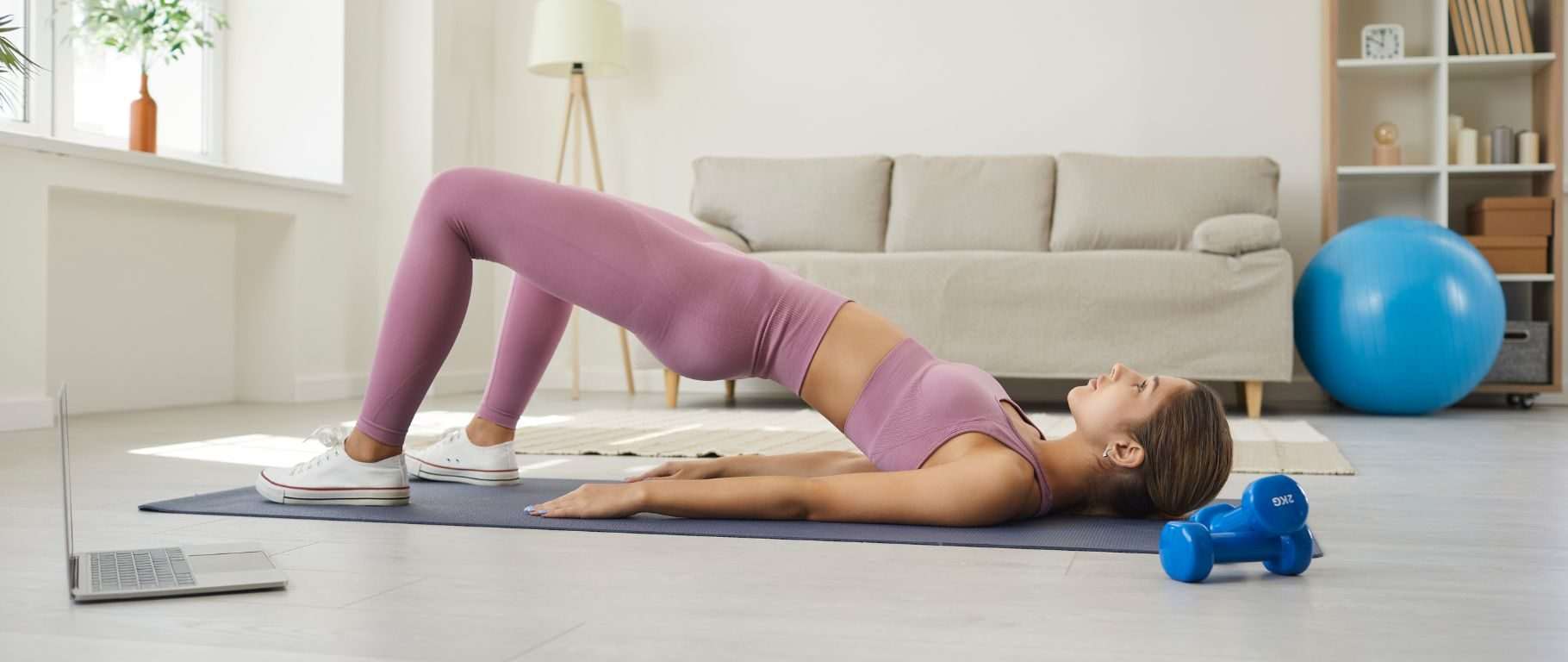
Strong pelvic floor muscles are essential for bladder control, core stability, and sexual health. Yet, many women are unsure how to include pelvic floor exercises in their daily routine, especially with busy schedules and competing priorities. Fortunately, pelvic floor strengthening doesnt require lengthy sessions or special equipment. With the right strategies, these exercises can be seamlessly integrated into everyday life.
Why Pelvic Floor Exercises Matter
Pelvic floor exercises, also known as Kegels, help support the bladder, uterus, and bowel. When these muscles are weak, women may experience urinary incontinence, pelvic organ prolapse, lower back pain, or decreased sexual satisfaction. Regular pelvic physiotherapy-guided routines can prevent or alleviate these concerns.
Getting Started: Understand the Basics
Before jumping into a routine, its important to correctly identify your pelvic floor muscles. A pelvic health physiotherapist can guide you in locating and engaging these muscles properly. Incorrect technique may lead to strain or minimal benefit.
Once youve learned to isolate the right muscles, you can begin to integrate exercises into daily life using these tips.
1. Link Exercises to Habits
Pairing pelvic floor exercises with existing daily habits ensures consistency. Here are a few ways to build them into your day:
Morning routine: Do a set of contractions while brushing your teeth or in the shower.
Commute time: Practice seated Kegels while driving or riding public transit.
Meal preparation: Engage your pelvic floor while standing at the kitchen counter.
Bedtime: Add a few gentle contractions while lying in bed before sleeping.
2. Use Triggers as Reminders
Set specific triggers to remind you. For example:
Every time you check your phone
After every bathroom visit
Each time you refill your water bottle
These triggers act as cues to do a quick set of pelvic floor contractions, keeping the practice regular without being overwhelming.
3. Mix Strength and Endurance Work
Effective pelvic floor routines should include both quick flicks (fast contractions) and sustained holds. A basic structure might include:
10 quick squeezes, releasing fully each time
5 long holds, aiming to hold for 510 seconds each, followed by full relaxation
Try to complete this set 23 times a day in different positionslying down, sitting, or standingto train your muscles in various real-life situations.
4. Combine With Breathing and Core Activation
Proper breathing enhances pelvic floor engagement. Avoid holding your breath. Inhale to relax the pelvic floor, and exhale as you gently lift and contract. Over time, add gentle core activation to integrate your deep abdominal muscles.
5. Track Progress
Use a journal or a tracking app to monitor your consistency and note improvements. Many women find motivation in seeing their progress, whether its fewer leaks or better control.
6. Seek Guidance for Personalization
Not all pelvic floor conditions require the same approach. Overactive muscles need different care than underactive ones. A physiotherapist can assess your condition and create a customized plan tailored to your needs and lifestyle.
7. Stay Consistent, But Dont Overdo It
Daily practice is key, but overworking the muscles can lead to fatigue or discomfort. Start with manageable sets and gradually increase duration and repetitions. Rest days are helpful if you experience muscle soreness or tension.
8. Make It a Lifestyle, Not a Chore
Instead of viewing pelvic floor exercises as another item on your to-do list, consider them part of your long-term wellness plan. Like brushing your teeth or staying hydrated, theyre a small act of care that pays off over time.
Conclusion
Integrating pelvic floor exercises into your daily routine is both achievable and rewarding. With small changes, smart triggers, and professional support from a pelvic physiotherapist, you can build lasting strength and function. Whether you’re in postpartum recovery, managing incontinence, or simply focused on lifelong pelvic health, consistent daily practice makes a meaningful difference.