Pelvic floor health is essential for women at every stage of life, particularly for those who lead active lifestyles. These deep core muscles play a central role in supporting the bladder, bowel, and uterus, as well as maintaining posture and stabilizing the spine during movement.

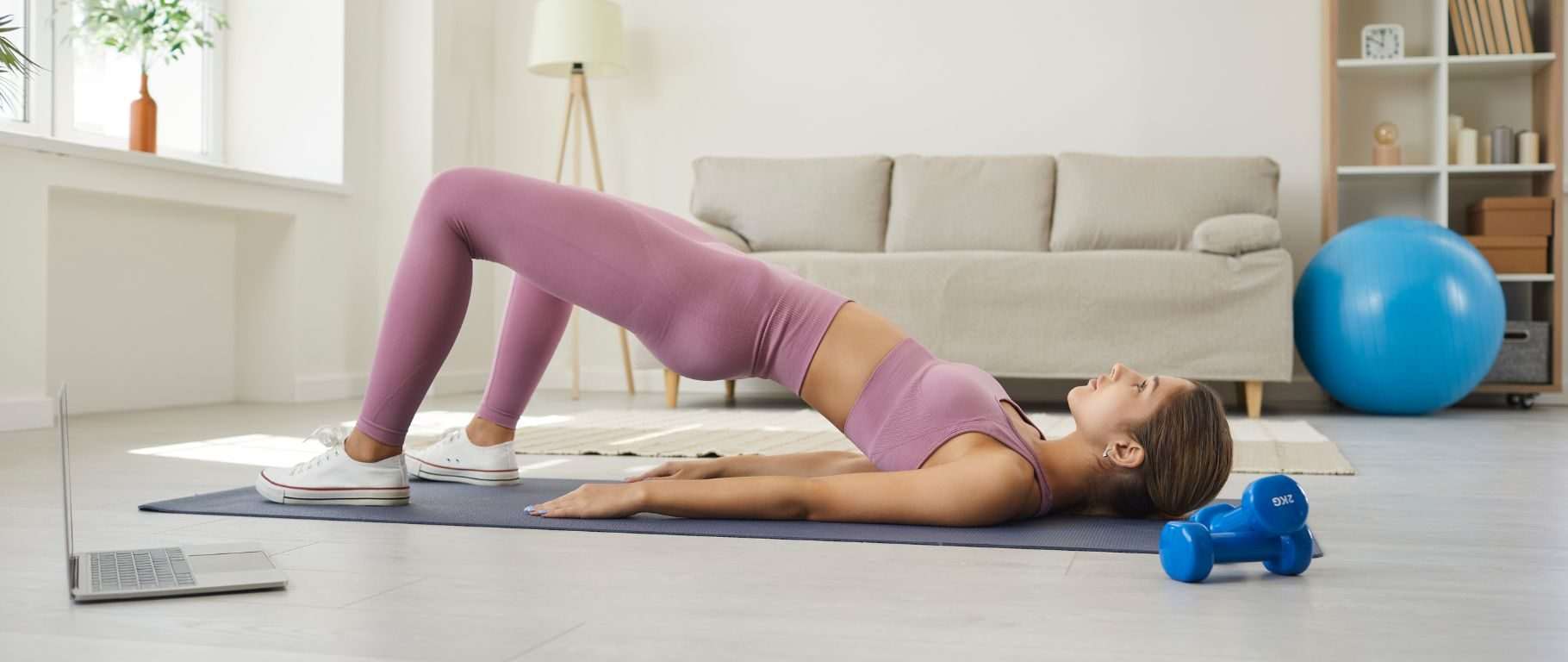
Pelvic floor health is essential for women at every stage of life, particularly for those who lead active lifestyles. These deep core muscles play a central role in supporting the bladder, bowel, and uterus, as well as maintaining posture and stabilizing the spine during movement. Despite their importance, pelvic floor muscles are often neglected in traditional workout routines. Incorporating pelvic floor exercises into your daily or weekly fitness plan can prevent dysfunction, improve strength, and support long-term wellness.
Why Pelvic Floor Exercises Matter
The pelvic floor consists of a group of muscles at the base of the pelvis that work in coordination with the diaphragm, abdominal, and back muscles. A healthy pelvic floor provides:
Bladder and bowel control
Organ support and pelvic stability
Sexual function
Core engagement during physical activity
Weakness or dysfunction in these muscles can result in urinary leakage, pelvic pain, organ prolapse, or decreased performance in athletic activity. Regular pelvic floor exercises can help maintain optimal function, especially for women who are pregnant, postpartum, menopausal, or physically active.
Getting Started: Understanding the Muscles
Before beginning any pelvic floor training, its important to locate and correctly engage the right muscles. A pelvic health physiotherapist can guide you through the process using simple cues and assessments. For most women, the sensation is similar to stopping the flow of urine or gently lifting the vaginal muscles upward.
However, proper technique is key. Many women unknowingly compensate by using their glutes, thighs, or abdominal muscles, which can lead to imbalance and strain. Learning to isolate the pelvic floor ensures each contraction is effective.
Best Practices for Incorporating Pelvic Floor Exercises
Once youve learned to properly engage the pelvic floor, the next step is integrating it into your existing workout routine. Heres how:
1. Warm Up With Gentle Activations
Start your workout with a few slow pelvic floor contractions. Gently lift and hold for 5 seconds, then release for 5 seconds. Repeat 810 times. This primes the muscles for engagement during your workout.
2. Pair With Breathing
Exhale on exertionthis helps naturally engage your pelvic floor. For example, exhale and lift your pelvic floor during the upward phase of a squat or when lifting weights. Inhale and fully release the contraction on the return.
3. Use Functional Movements
Incorporate pelvic floor awareness into daily exercises like squats, lunges, or planks. Focus on coordinating the pelvic floor with your core to stabilize your body through movement. Avoid holding your breath or bearing down during these activities.
4. Include Relaxation
Equally important as strengthening is learning to fully relax the pelvic floor. Chronic tension can be just as problematic as weakness. Spend time at the end of your workout practicing diaphragmatic breathing and letting the pelvic floor release completely.
5. Modify High-Impact Workouts
If you experience leakage or heaviness during activities like running, jumping, or lifting, scale back and work with a physiotherapist to rebuild strength. Impact exercises can be reintroduced gradually once your pelvic floor is better supported.
Common Mistakes to Avoid
Overtraining the pelvic floor without rest or relaxation can lead to muscle tightness and pain.
Poor technique such as clenching other muscles instead of isolating the pelvic floor reduces effectiveness.
Holding the breath during contraction increases pressure and can strain the pelvic organs.
Ignoring warning signs like leakage or discomfort can lead to further dysfunction.
Proper form and consistency are more important than intensity when it comes to pelvic floor training.
Building a Routine
Like any form of exercise, pelvic floor training requires repetition and consistency. You can start with a few minutes a day, and eventually integrate contractions into more complex movements. A typical weekly plan might include:
34 focused sessions per week of isolated pelvic floor work
Daily integration during core or strength training
12 sessions of relaxation and breathing-based recovery
Over time, pelvic floor activation becomes second naturesupporting you not only during workouts but in all functional movement throughout the day.
When to Seek Professional Guidance
Some women may need additional support, especially if they are recovering from pregnancy, surgery, or dealing with symptoms of pelvic floor dysfunction. A pelvic health physiotherapist can tailor a plan to your specific needs and goals, whether youre returning to fitness or working to resolve existing symptoms.
Signs you should consult a professional include:
Difficulty locating or engaging the pelvic floor
Pain or discomfort during contractions
Persistent leakage, pressure, or pelvic pain
Poor core control or instability during workouts
A physiotherapist ensures that youre building strength safely and effectively, without reinforcing poor movement patterns.
Conclusion
Incorporating pelvic floor exercises into your routine enhances core strength, supports bladder control, and improves posture and stability during physical activity. With proper technique and a structured approach, pelvic floor training becomes a seamless part of your fitness lifestylehelping you feel stronger, more supported, and ready for every challenge.