Pelvic floor health is a vital yet often overlooked component of womens overall wellness. These muscles support the bladder, uterus, and bowel, and when weakened or dysfunctional, they can lead to a variety of health problems including urinary incontinence, pelvic organ prolapse, and sexual discomfort.

Pelvic floor health is a vital yet often overlooked component of womens overall wellness. These muscles support the bladder, uterus, and bowel, and when weakened or dysfunctional, they can lead to a variety of health problems including urinary incontinence, pelvic organ prolapse, and sexual discomfort. Fortunately, targeted pelvic floor exercises can help women maintain strength, control, and function in this crucial area. For women in Canada looking to improve their pelvic wellness, integrating these exercises into daily routines can yield long-term benefits.
Understanding Pelvic Floor Muscles
The pelvic floor is a group of muscles that stretch like a supportive sling from the pubic bone to the tailbone. These muscles control bladder and bowel movements, contribute to sexual health, and play a role in core stability. Weak pelvic floor muscles can arise due to pregnancy, childbirth, aging, hormonal changes, or sedentary lifestyles. Strengthening these muscles through regular physiotherapy-guided exercises is key to maintaining pelvic function and preventing discomfort or dysfunction.
Benefits of Regular Pelvic Floor Exercises
Incorporating pelvic floor physiotherapy exercises into your routine can offer a range of health improvements:
Better bladder and bowel control
Improved sexual function and satisfaction
Enhanced recovery after childbirth or surgery
Stronger core stability and posture support
Prevention of pelvic organ prolapse
These benefits contribute not only to physical wellness but also to emotional well-being, confidence, and quality of life.
Starting with the Basics: Kegel Exercises
Kegels are the most well-known pelvic floor exercises. They involve tightening and lifting the pelvic floor muscles and then relaxing them. The key to effective Kegels is proper technique:
Identify the correct muscles by stopping the flow of urine midstream (as a one-time test, not a routine).
Once identified, contract the pelvic muscles and hold for 3 to 5 seconds, then relax for the same duration.
Repeat 10 to 15 times, three times per day.
For those unsure about their technique, pelvic health physiotherapists offer personalized guidance to ensure correct muscle engagement and avoid compensation from surrounding muscles like the glutes or abdomen.
Integrating Pelvic Floor Exercises Into Your Day
Adding pelvic floor exercises to your daily schedule doesnt require special equipment or extended time. Heres how to make them a seamless part of your routine:
Morning routine: Do a set of Kegels while brushing your teeth or showering.
During work: Incorporate seated pelvic holds at your desk or during video meetings.
While commuting: Use red lights or transit stops as a reminder to perform a few repetitions.
Evening wind-down: Practice pelvic relaxation or stretching exercises before bed.
By associating pelvic floor exercises with existing habits, they become easier to remember and consistently perform.
Combining Exercises for Holistic Benefits
While Kegels are foundational, a well-rounded pelvic physiotherapy program also includes:
Breathing techniques: Coordinated breathing supports muscle relaxation and reduces tension.
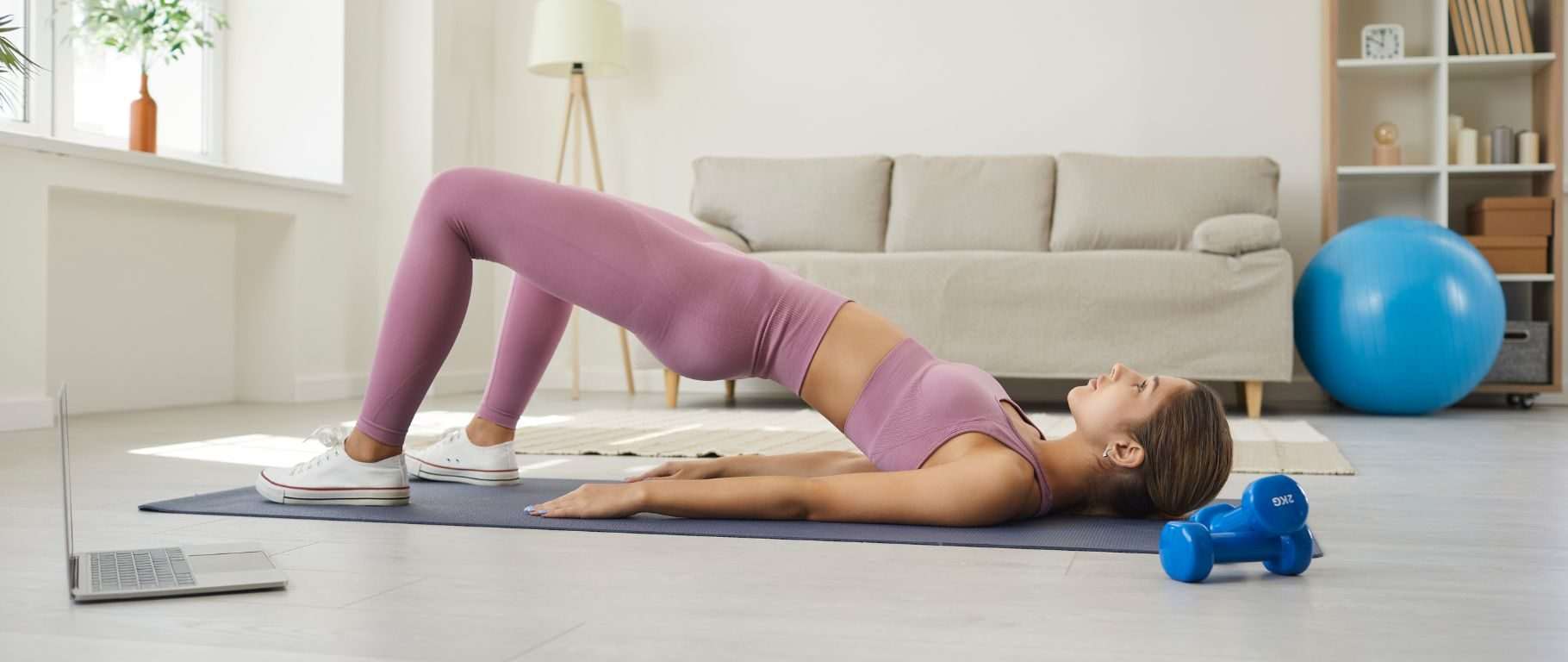
Core activation: Exercises like bridges and modified planks enhance pelvic floor engagement.
Mobility work: Stretching the hips, lower back, and inner thighs improves pelvic function.
A registered pelvic health physiotherapist can tailor a full-body plan to your specific goals, whether its recovery after childbirth, incontinence management, or prevention of future issues.
Signs You Need Professional Support
While many women benefit from at-home pelvic exercises, certain signs indicate the need for professional physiotherapy:
Persistent urinary leaks despite consistent Kegel practice
Pain during intercourse or pelvic discomfort
Difficulty fully emptying the bladder or bowel
A feeling of heaviness or pressure in the pelvic area
Inability to identify or contract pelvic floor muscles
Pelvic floor dysfunction is treatable, and early intervention can prevent worsening symptoms.
The Role of Physiotherapy Clinics Like YFS
In Canada, clinics such as YourFormSux provide individualized assessments and treatment plans designed specifically for womens pelvic health. These sessions go beyond standard exercises and include manual therapy, biofeedback, and education tailored to each life stage and condition.
YFS empowers women to take charge of their pelvic health with confidence, providing both in-person and digital guidance to support long-term wellbeing.
Long-Term Commitment for Lasting Results
Pelvic health is not a one-time effortits a lifelong investment. Regular check-ins with a pelvic physiotherapist, ongoing core strengthening, and proactive management of stress and posture all contribute to sustained results.
Making pelvic floor exercises a permanent part of your wellness routine not only prevents discomfort and dysfunction but also supports every other aspect of your lifefrom movement and intimacy to confidence and independence.