Pelvic floor rehabilitation is a vital component of recovery for many women experiencing pelvic health challenges such as postpartum changes, pelvic pain, urinary incontinence, or pelvic organ prolapse. Incorporating targeted physiotherapy into your recovery plan not only helps restore function but also promotes long-term pelvic health and overall well-being.

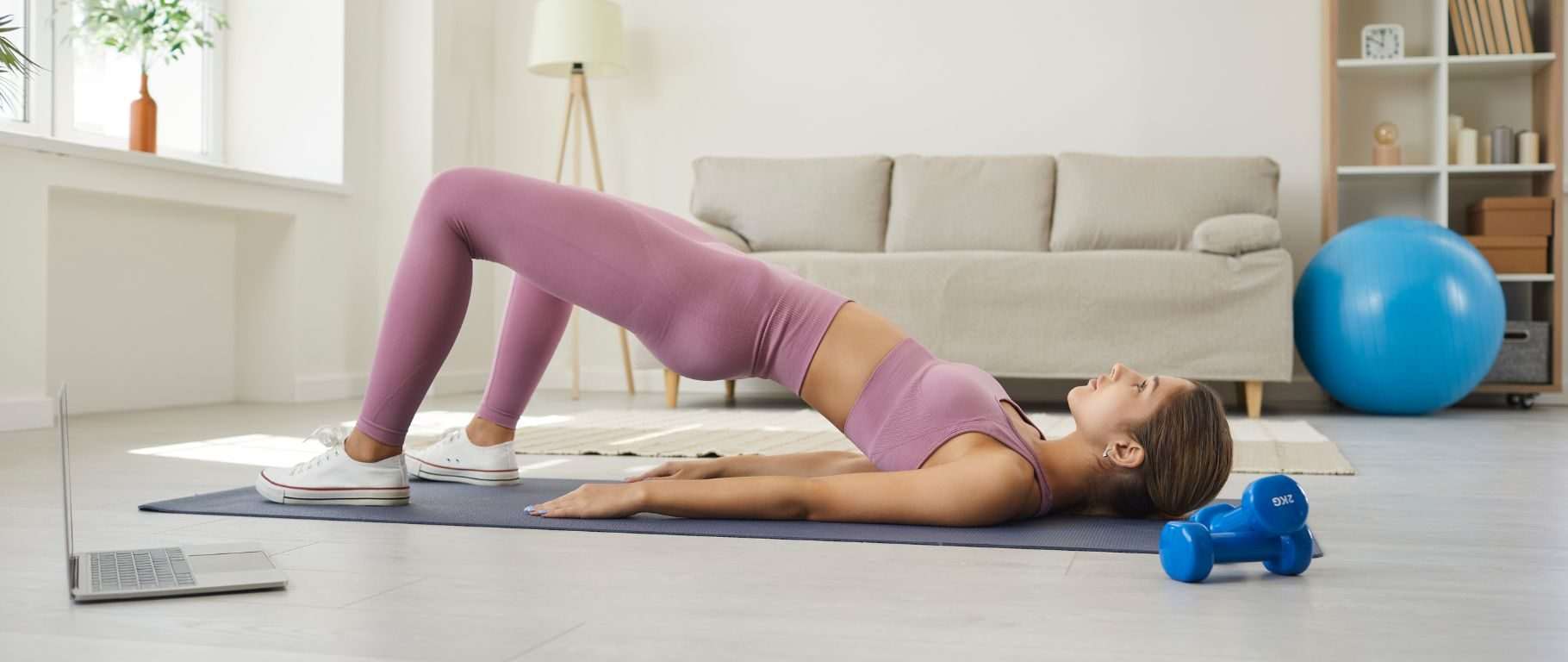
Pelvic floor rehabilitation is a vital component of recovery for many women experiencing pelvic health challenges such as postpartum changes, pelvic pain, urinary incontinence, or pelvic organ prolapse. Incorporating targeted physiotherapy into your recovery plan not only helps restore function but also promotes long-term pelvic health and overall well-being.
Why Pelvic Floor Rehabilitation Matters
The pelvic floor muscles support essential bodily functions including bladder and bowel control, sexual health, and spinal stability. Injury, childbirth, surgery, or chronic strain can weaken or disrupt these muscles, leading to discomfort and dysfunction. Rehabilitation focuses on restoring strength, flexibility, and coordination to these muscles through specialized exercises and therapies.
Step 1: Seek a Professional Pelvic Health Assessment
Recovery begins with an individualized assessment by a pelvic health physiotherapist. They will evaluate muscle tone, strength, coordination, posture, and lifestyle factors to create a tailored rehabilitation program. This ensures exercises are safe, effective, and suited to your unique needs.
Step 2: Establish Realistic Recovery Goals
Setting clear, achievable goals with your physiotherapist provides motivation and direction. Goals may include reducing pain, improving bladder control, restoring muscle strength, or returning to specific activities. A goal-oriented approach helps track progress and adjust therapy as needed.
Step 3: Learn Proper Pelvic Floor Muscle Engagement
Correctly activating pelvic floor muscles is crucial. Many women perform exercises incorrectly, which can delay recovery or worsen symptoms. Physiotherapists teach techniques to isolate the pelvic floor muscles, combining contraction with controlled relaxation and proper breathing.
Step 4: Gradually Build Strength and Endurance
Recovery programs start with gentle muscle activation, progressing to endurance and functional training. This phased approach prevents overload and supports sustainable improvement. Incorporating pelvic floor exercises into daily activities reinforces progress and supports natural movement patterns.
Step 5: Integrate Core and Postural Stability Exercises
The pelvic floor works synergistically with core muscles and the lower back. Rehabilitation often includes exercises targeting the abdominal muscles, diaphragm, and back to enhance overall stability and reduce compensatory strain on the pelvic region.
Step 6: Address Lifestyle and Behavioral Factors
Lifestyle elements such as hydration habits, toileting posture, lifting techniques, and exercise routines influence pelvic health. Physiotherapists provide education on modifying these habits to support recovery and prevent recurrence.
Step 7: Use Adjunct Therapies as Needed
Manual therapy, biofeedback, electrical stimulation, or relaxation techniques may be incorporated to target muscle tightness, scar tissue, or nerve dysfunction. These therapies complement exercise and enhance rehabilitation outcomes.
Step 8: Monitor Progress and Adjust the Plan
Regular follow-up sessions allow the physiotherapist to evaluate improvement, adjust exercises, and address any challenges. Open communication ensures the rehabilitation plan remains aligned with your evolving needs.
Benefits of Incorporating Pelvic Floor Rehabilitation
Faster recovery after childbirth or surgery
Reduced pelvic pain and discomfort
Improved bladder and bowel control
Enhanced sexual function and comfort
Better core stability and posture
Increased confidence and quality of life
Final Thoughts
Integrating pelvic floor rehabilitation into your recovery plan is essential for addressing pelvic health issues effectively and preventing future problems. With professional guidance, a personalized program, and consistent practice, you can restore pelvic function, reduce symptoms, and reclaim your lifestyle. Early and proactive physiotherapy intervention supports lasting pelvic health and overall wellness.