Maintaining pelvic floor health is essential for overall physical wellness, especially for women of all ages. Yet, many workout routines overlook this crucial area of the body.

Maintaining pelvic floor health is essential for overall physical wellness, especially for women of all ages. Yet, many workout routines overlook this crucial area of the body. Whether you are focused on strength training, yoga, running, or general fitness, integrating pelvic health exercises into your routine can enhance core stability, prevent injury, and reduce symptoms like incontinence or pelvic discomfort. Physiotherapy-based guidance ensures these exercises are effective, safe, and tailored to your body’s needs.
Why Pelvic Floor Health Matters During Exercise
The pelvic floor is a group of muscles at the base of your pelvis that support the bladder, uterus, rectum, and core muscles. These muscles work in coordination with your diaphragm, deep abdominals, and back muscles to stabilize the spine and pelvis during movement. Weak or uncoordinated pelvic floor muscles can lead to issues such as:
Urinary leakage during high-impact activity
Pelvic organ prolapse
Low back pain
Poor posture and balance
Decreased core performance
Physiotherapy helps address these issues by teaching you how to engage and relax the pelvic floor appropriately, so it functions in harmony with the rest of your body during exercise.
Identifying the Right Exercises for Your Body
Not all pelvic floor exercises are created equal. While Kegels are the most widely known, they are not the only or always the best approach. A pelvic health physiotherapist can assess whether your pelvic floor needs strengthening, relaxation, or coordination training. Some individuals may even experience pelvic floor overactivity, where muscles are too tight and need to release before strengthening.
How to Incorporate Pelvic Health Into Different Workouts
1. Strength Training
Pelvic floor engagement is essential when lifting weights, especially during squats, deadlifts, and overhead presses. You can integrate pelvic health into your strength training routine by:
Activating your pelvic floor before initiating each lift
Coordinating breath with movement (exhale during effort)
Avoiding breath-holding or excessive abdominal pressure
Using appropriate form and load to prevent strain
Physiotherapy-based guidance helps modify your lifting posture and technique for optimal pelvic support.
2. Yoga and Pilates
Both yoga and Pilates naturally incorporate core work and breath control. However, pelvic floor awareness elevates the benefit of these practices:
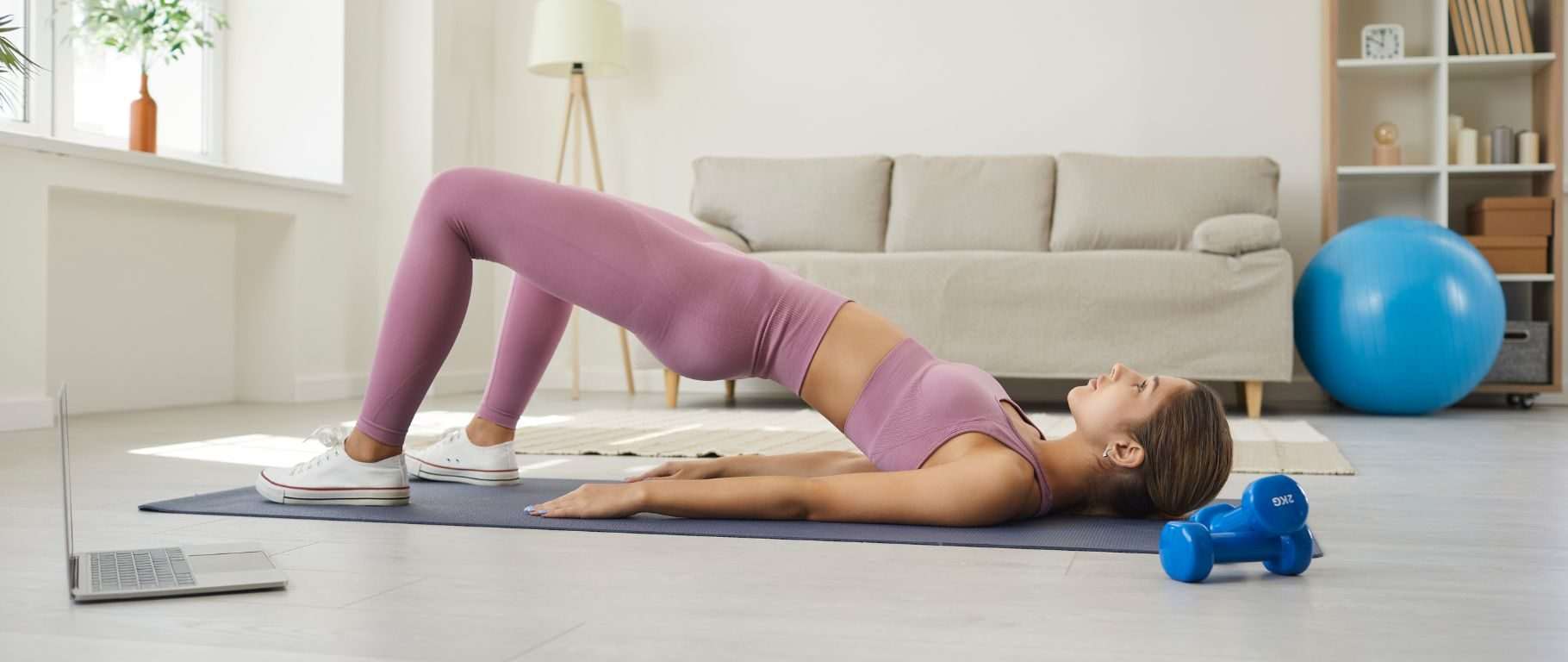
Engage pelvic floor gently during poses like bridge, plank, or warrior
Emphasize full-body alignment to reduce strain on pelvic organs
Practice mindful breathing to connect core and pelvic function
A physiotherapist can help you adapt poses or sequences to address issues like pelvic pain, prolapse, or incontinence.
3. Cardio and Running
Running and jumping place repeated pressure on the pelvic floor. To protect it:
Warm up with dynamic movements that activate core and pelvic floor
Focus on posture and controlled landing mechanics
Incorporate breath coordination during running
Schedule rest days to allow recovery of pelvic tissues
If leaking occurs during cardio, it may be a sign your pelvic floor needs more support. Physiotherapy can offer corrective strategies to build endurance and strength.
4. Core Workouts
Many traditional ab exercises increase intra-abdominal pressure, which can stress a weak pelvic floor. Instead of crunches or sit-ups, opt for:
Deep core exercises like dead bugs, bird-dogs, or modified planks
Core training that includes pelvic floor activation and spinal neutrality
Exercises where you can maintain breath control and alignment
With physiotherapy insight, your core routine can evolve to support pelvic health without compromise.
Tips for Seamless Integration
Start small: Begin with basic pelvic floor awareness exercises before layering them into complex movements.
Time your engagement: Activate your pelvic floor just before and during the most strenuous part of a movement.
Coordinate breath and movement: Exhale on effort while gently lifting the pelvic floor.
Be consistent: Just like any other muscle group, the pelvic floor needs regular, targeted practice.
Listen to your body: If an exercise leads to discomfort or leakage, adjust your form or consult a physiotherapist.
Red Flags That Need Physiotherapy Assessment
If you experience any of the following during or after workouts, a pelvic health physiotherapist should be consulted:
Urinary leakage or urgency
Pain in the pelvic area
Pressure or bulging sensation
Difficulty engaging the core
Lower back or hip discomfort
A professional assessment ensures your fitness routine supportsnot strainsyour pelvic health.
Long-Term Benefits of Pelvic Integration
When pelvic health is prioritized, workouts become more effective and sustainable. Benefits include:
Improved posture and spinal alignment
Greater control during high-impact movement
Reduced risk of injury or prolapse
Enhanced core strength and endurance
Confidence in physical activity across all life stages
Conclusion
Integrating pelvic health exercises into your regular workout routine doesnt require a complete overhaul. With small adjustments and physiotherapy-informed strategies, you can protect your pelvic floor, enhance your performance, and improve your overall well-being. Whether you’re lifting weights, flowing through yoga, or enjoying a morning jog, your pelvic floor deserves attention, care, and inclusion in every movement you make.