Maintain Proper Posture Poor posture is the #1 contributor to back and neck strain.

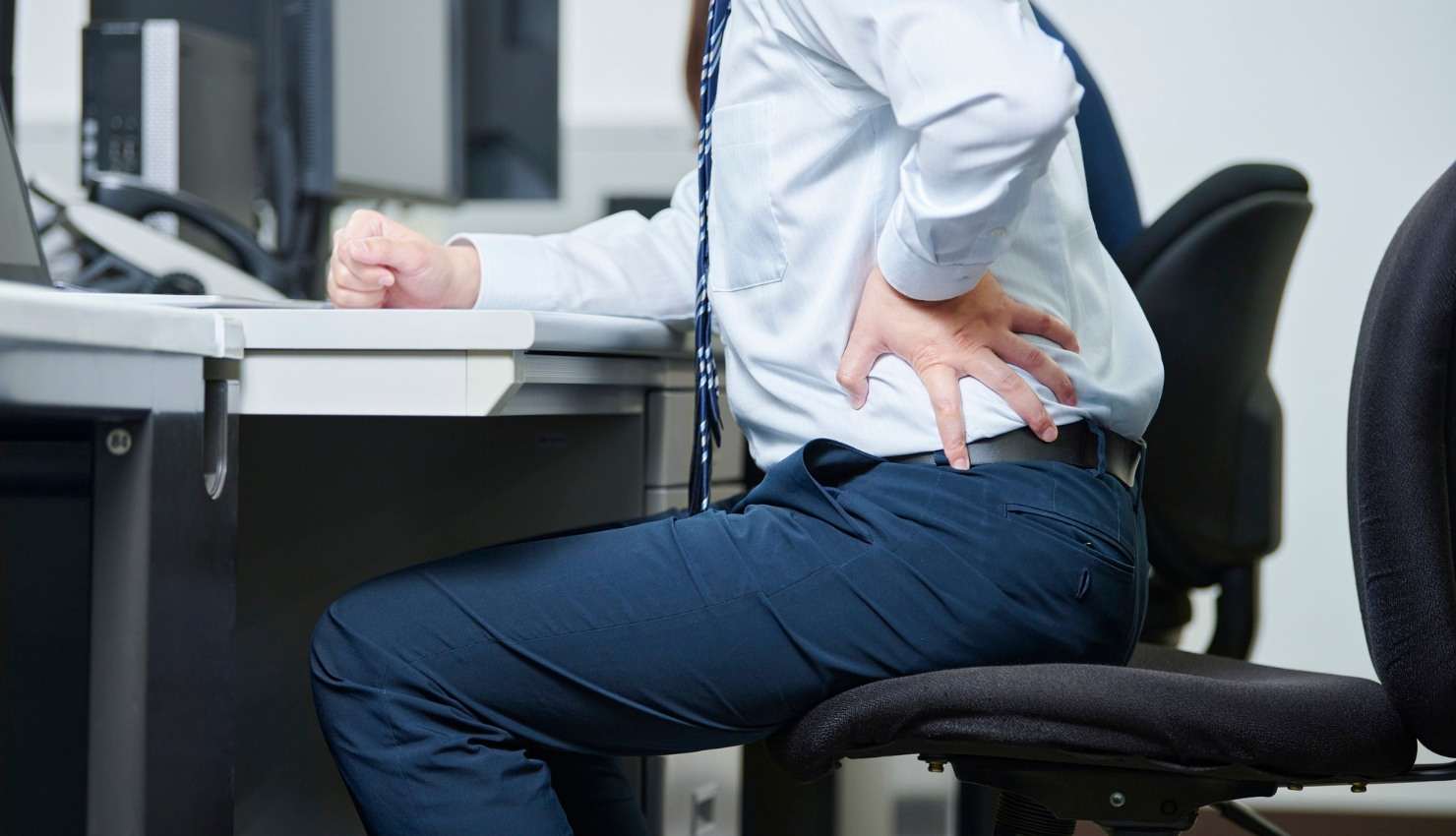
Maintain Proper Posture
Poor posture is the #1 contributor to back and neck strain.
Sit with your back upright, shoulders relaxed, and ears aligned with your shoulders
Avoid slouching, hunching forward, or craning your neck toward the screen
Keep feet flat on the floor and knees at hip level
?? Pro Tip: Imagine a string pulling you upward from the crown of your head to help maintain alignment.
?? 2. Use Ergonomic Furniture
Support your spine with properly adjusted equipment.
Chair with lumbar support for the lower back curve
Monitor at eye level to avoid looking down or up
Desk height that keeps arms at 90° and shoulders relaxed
?? Quick Fix: Use a rolled towel for lumbar support and stack books to raise a monitor if needed.
?? 3. Optimize Screen, Keyboard, and Mouse Placement
Poor placement strains your neck, shoulders, and upper back.
Monitor should be directly in front, about an arms length away
Keyboard and mouse should be at the same height and close to avoid overreaching
Use a document holder to avoid constant downward gazing
????? 4. Stretch Regularly
Break the stiffness cycle by moving every hour.
Simple stretches for back and neck relief:
Neck rolls and chin tucks
Upper trapezius and levator scapulae stretches
Seated spinal twist
Shoulder blade squeezes
Cat-cow stretch for spine mobility
?? Routine: Try stretching for 25 minutes every hour or between tasks.
?? 5. Take Frequent Microbreaks
Avoid static positions for too long.
Stand, walk, or stretch every 3060 minutes
Use apps or alarms to remind you to move
Walk during phone calls or perform desk exercises (e.g., shoulder rolls)
?? 6. Strengthen Postural Muscles
Strong muscles help support your spine and improve endurance.
Key exercises to incorporate:
Wall angels for upper back
Bird-dog and superman for spinal support
Scapular retraction exercises (pulling shoulder blades together)
Core exercises (planks, bridges)
?? 7. Adjust Lighting and Reduce Eye Strain
Eye strain leads to head-forward posture, which stresses the neck.
Position your screen to reduce glare
Follow the 20-20-20 rule: every 20 minutes, look 20 feet away for 20 seconds
Use blue light filters if working long hours on screens
?? 8. Stay Hydrated and Nourished
Proper hydration keeps spinal discs and muscles healthy.
Aim for 8+ glasses of water/day
Eat anti-inflammatory foods (like leafy greens, berries, fatty fish) to reduce joint and muscle stiffness
?? 9. Use Supportive Accessories
Footrest: Keeps hips and knees aligned
Wrist support: Prevents shoulder elevation
Headset: Avoid cradling the phone between shoulder and ear
??? 10. Check Sleep Ergonomics Too
What you do after work matters!
Use a firm mattress and pillow that supports the neck’s natural curve
Avoid sleeping on your stomach, which can strain the neck and lower back
? Final Takeaway:
Protecting your back and neck is about small, intentional habits practiced consistently. Combine good posture, movement, and ergonomic tools with strength and mobility exercises for a pain-free work-from-home experience.