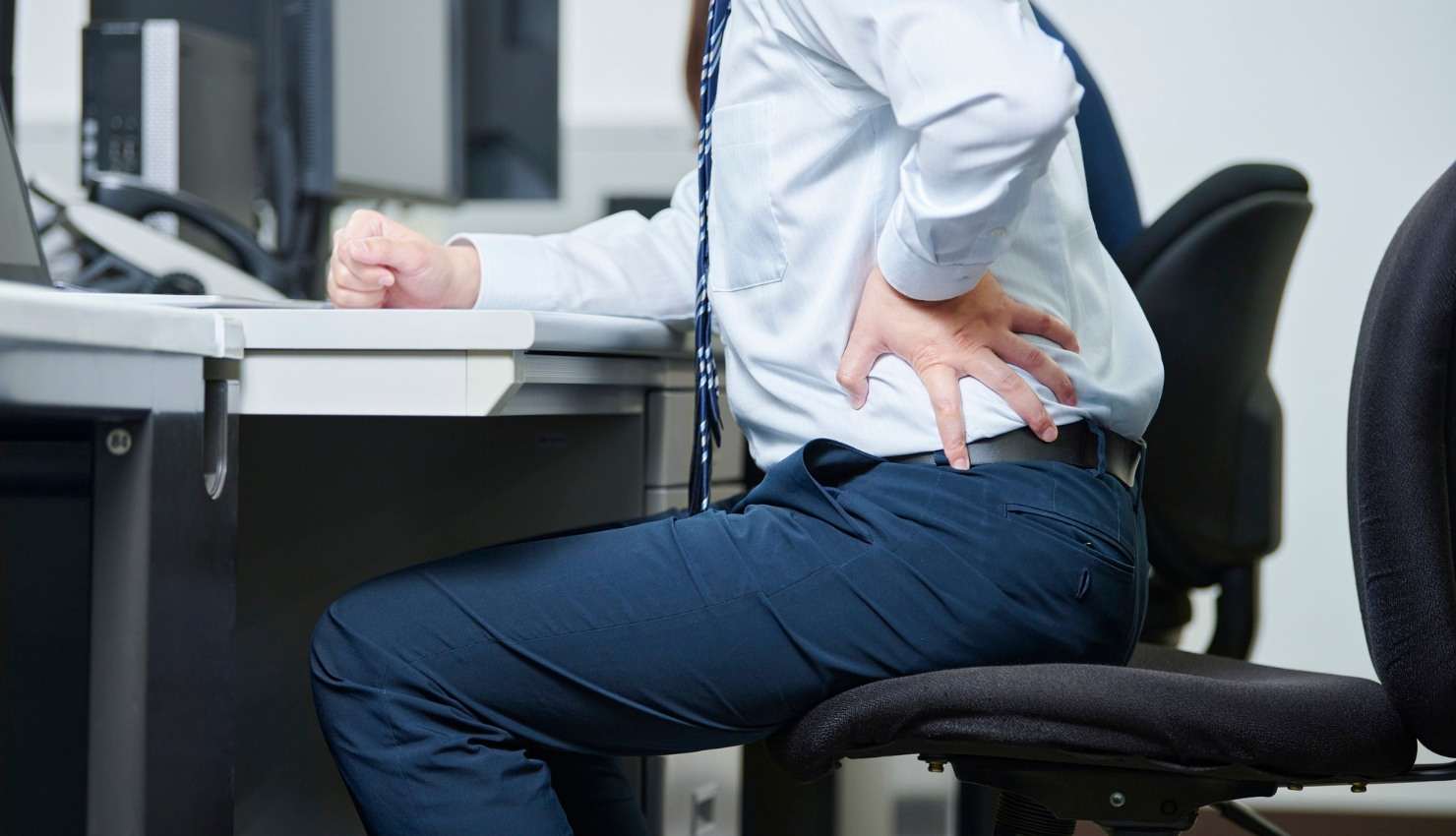
Create an Ergonomic Workspace Your desk setup plays a huge role in preventing musculoskeletal issues.

Create an Ergonomic Workspace
Your desk setup plays a huge role in preventing musculoskeletal issues.
Key ergonomic essentials:
Chair: Adjustable with lumbar support (or a cushion behind your lower back)
Screen: Top of monitor at eye level; arms length away
Keyboard & mouse: At elbow height, wrists in a neutral position
Feet: Flat on the floor or footrest, knees at 90100°
?? Avoid working from your bed or couch for extended periods.
?? 2. Move Every 3060 Minutes
Sedentary behavior leads to stiffness, poor circulation, and fatigue.
Tips to stay mobile:
Set reminders to stand, stretch, or walk every hour
Take walking meetings when possible
Use active furniture (e.g., standing desk, balance cushion) if available
Do 5-minute stretch breaks: neck rolls, spinal twists, shoulder shrugs
?? Think micro-movements that add up over the day.
????? 3. Incorporate Daily Stretching & Strengthening
Regular mobility and core work supports posture and joint health.
?? Daily Stretch Focus:
Neck, chest, hip flexors, hamstrings, wrists
?????? Key Strength Areas:
Core (planks, dead bugs)
Glutes (bridges, squats)
Upper back (rows, wall angels)
? Aim for 1020 minutes of bodyweight exercises or yoga daily.
?? 4. Hydration & Nutrition
Dehydration can cause headaches, fatigue, and muscle cramps.
Healthy habits:
Keep a water bottle at your desk
Choose whole foods for energylean protein, fiber, healthy fats
Limit caffeine after mid-afternoon
Step away from your desk to eat mindfully
?? 5. Manage Stress and Mental Load
Mind-body wellness is essential for physical health.
Stress-busting ideas:
5-minute deep breathing or meditation breaks
Set clear boundaries for work hours and screen time
Get natural light exposure each day
Practice gratitude, journaling, or short mindful pauses
?? Apps like Headspace, Insight Timer, or Calm can help build the habit.
?? 6. Prioritize Sleep and Recovery
Your body heals and regenerates during quality sleep.
Tips:
Keep a regular sleep schedule
Create a tech-free wind-down routine
Stretch gently before bed to relieve muscle tension
Ensure your mattress and pillow support proper spinal alignment
? Daily Healthy Home Office Checklist
Habit Goal
?? Desk posture Ergonomic and supportive
?? Move Every 3060 minutes
?? Stretch 1015 min daily
??? Strengthen Core & back 34x/week
?? Hydration 68 glasses/day
?? Nutrition Balanced meals/snacks
?? Stress relief Daily mental reset
?? Sleep 79 hours nightly
????? Physiotherapy Insight
Staying healthy while working remotely is about consistencynot perfection. A few intentional adjustments and micro-habits each day can dramatically reduce your risk of pain, strain, and long-term injury.