Sitting for long hours in a home office without the right setup can take a serious toll on your spine leading to back pain, stiffness, and poor posture. But with smart adjustments and intentional habits, you can create a home office that supports a healthy, pain-free spine for the long term.

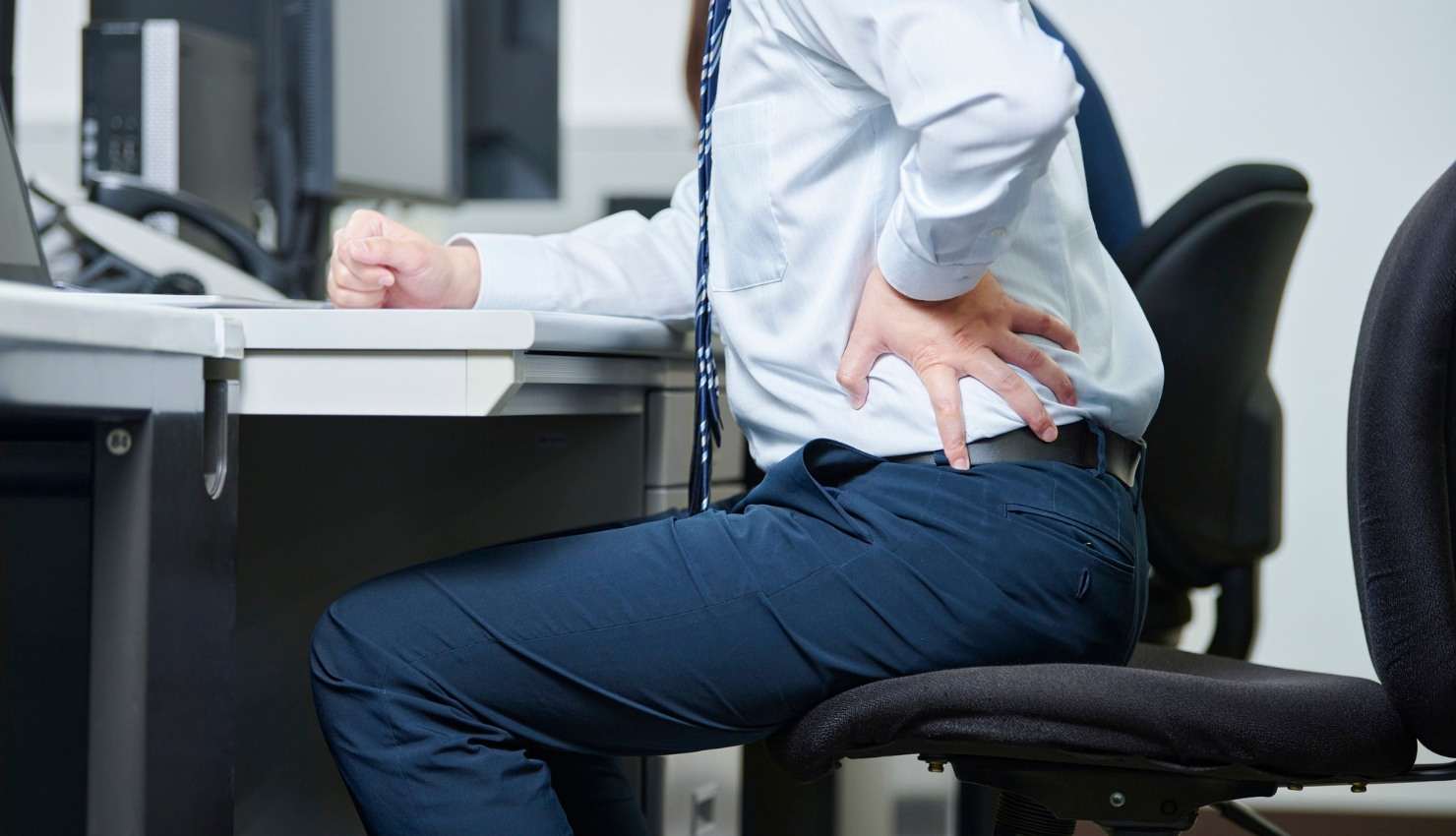
Sitting for long hours in a home office without the right setup can take a serious toll on your spine leading to back pain, stiffness, and poor posture. But with smart adjustments and intentional habits, you can create a home office that supports a healthy, pain-free spine for the long term.
Heres how to protect your spine while working from home.
?? Why Spine Health Matters in a Remote Setup
The spine is the central support structure for your entire body. Poor sitting habits, non-ergonomic furniture, and lack of movement can lead to:
Compressed discs (especially lumbar)
Muscle imbalances
Poor posture and spinal misalignment
Chronic neck and back pain
?? 1. Create an Ergonomic Desk Setup
Your environment has a direct impact on your spine.
Key elements:
Chair: Adjustable with lumbar support. Hips slightly higher than knees.
Desk height: Elbows bent at 90°, wrists straight.
Monitor: Eye level, arms length away avoid looking down.
Feet: Flat on the floor or a footrest, knees at 90° angle.
Keyboard/mouse: Close to the body to prevent leaning forward.
?? Ergonomics reduce the load on your spine by keeping it in neutral alignment.
?? 2. Support Your Posture Actively
Even a great chair wont help if you slouch.
Practice:
Sit tall, with shoulders relaxed and back
Engage your core gently like bracing slightly
Keep your head in line with your shoulders
Avoid crossing legs or leaning to one side
?? Tip: Take a photo of your posture mid-day and adjust if needed.
?? 3. Break Up Long Sitting Blocks
Static sitting stiffens your spine and weakens support muscles.
Follow:
Every 3045 minutes: Stand, stretch, or walk
Every 12 hours: Do a 23 minute movement circuit
Use apps or timers to prompt you
?? Movement helps hydrate spinal discs and reduces compression.
?? 4. Stretch Daily to Improve Spinal Mobility
Keep your spine flexible and prevent joint stiffness.
Daily stretches:
Cat-Cow Stretch (spinal mobility)
Seated spinal twist (mid-back rotation)
Chest opener/doorway stretch (counteracts slouching)
Hamstring stretch (tight hamstrings pull on lumbar spine)
?? Tightness in hips and hamstrings often leads to poor spinal posture.
?? 5. Strengthen Core and Postural Muscles
Your core is your spines support system.
Do 23x/week:
Bird dogs (spine stabilization)
Planks (front body control)
Glute bridges (pelvic stability)
Wall angels (upper back/posture)
??? Stronger muscles = less stress on your spine.
?? 6. Use Props to Reduce Strain
If your current furniture isnt ideal, small tools help a lot.
Try:
Lumbar roll or cushion for lower back
Footrest or box to keep knees at 90°
Laptop riser or books to lift your screen
Wrist support to avoid shoulder rounding
?? Sometimes it takes small changes to make a big difference.
?? 7. Watch for Warning Signs of Spinal Stress
Get ahead of issues before they become chronic.
Red flags:
Neck pain or stiffness
Low back tightness after sitting
Pain radiating down arms or legs
Constant slouching or leaning
Reduced flexibility or mobility
?? If these persist, consult a physiotherapist for a personalized plan.