Whether youre a runner, a retail worker, or someone whos simply on their feet all day, foot pain from overuse is a common and frustrating issue. That aching, burning, or throbbing feeling at the end of a long day? Its your bodys way of saying: Hey, I need some help down here! But …

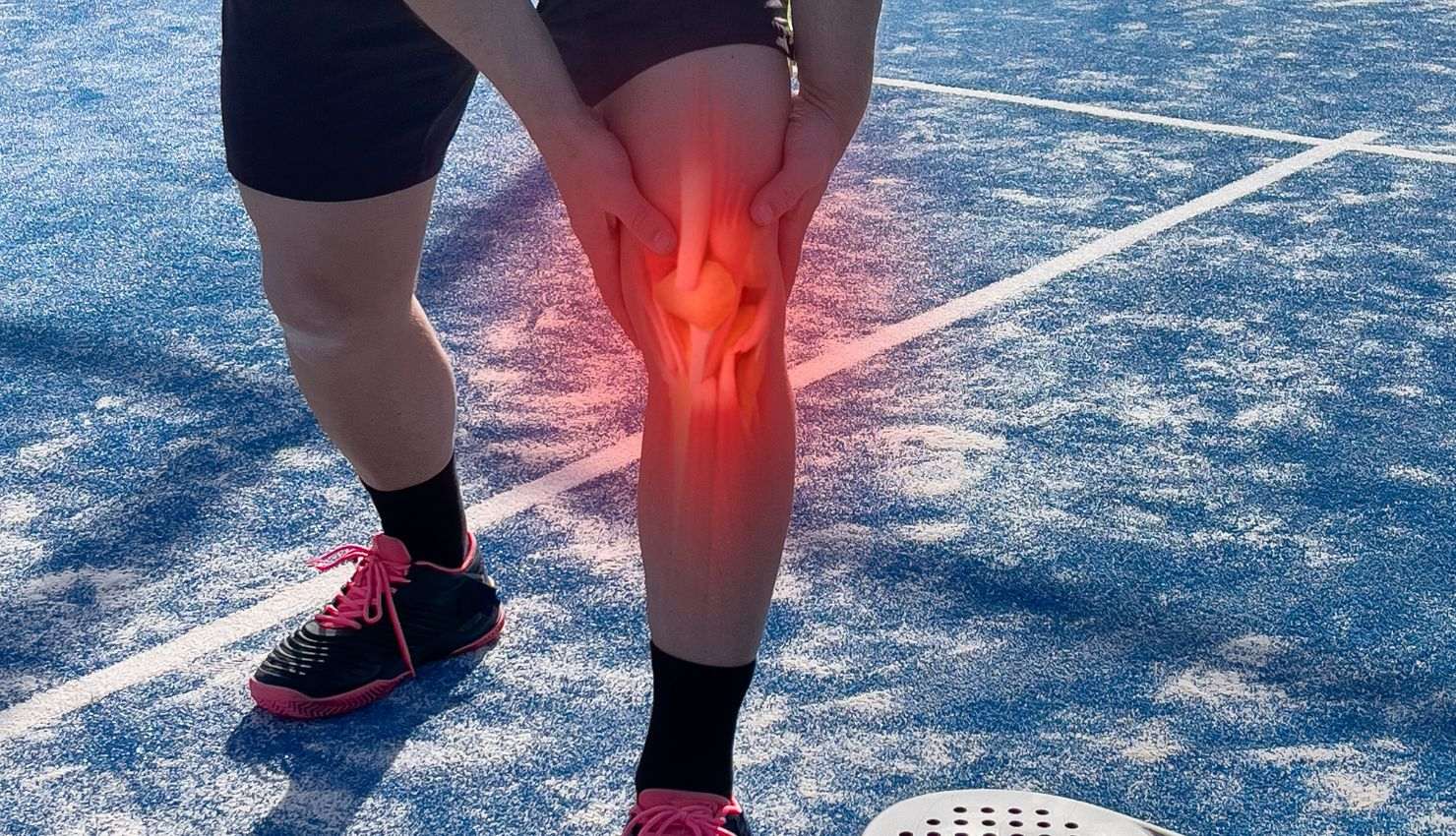
Whether youre a runner, a retail worker, or someone whos simply on their feet all day, foot pain from overuse is a common and frustrating issue. That aching, burning, or throbbing feeling at the end of a long day? Its your bodys way of saying: Hey, I need some help down here!
But you dont have to live with sore, tired feet. Physiotherapy offers effective, non-invasive strategies to reduce foot pain, improve mobility, and prevent it from coming back.
Lets walk through how physiotherapy can get you back on your feet comfortably and confidently.
?? What Causes Overuse Foot Pain?
Overuse injuries happen when your feet are exposed to repetitive stress without enough time to recover. This can affect muscles, tendons, ligaments, or even the bones in the foot.
Common culprits include:
Long hours standing or walking
Wearing unsupportive footwear
High-impact activities like running or jumping
Flat feet or high arches
Tight calves or poor biomechanics
Sudden increases in activity without proper conditioning
These repetitive stresses can lead to conditions like:
Plantar fasciitis
Metatarsalgia (pain in the ball of the foot)
Achilles tendonitis
Stress fractures
Shin splints (which often originate from foot mechanics)
?? How Physiotherapy Helps Manage Foot Pain
Physiotherapy doesnt just treat the symptoms it addresses the root cause of your foot pain. Heres how:
1?? Thorough Assessment of Your Feet and Movement
Your physiotherapist will start by looking at:
How your foot moves during walking or running
Your posture, alignment, and gait
Strength and flexibility in your lower body
Footwear and activity patterns
This gives them a clear picture of whats going on and how to tailor your treatment plan.
2?? Hands-On Manual Therapy
Tight or inflamed tissues in the foot and lower leg can be released through:
Soft tissue massage
Myofascial release
Trigger point therapy
Joint mobilization
This helps reduce pain, improve circulation, and restore movement especially helpful for tight arches, stiff ankles, or sore heels.
3?? Stretching and Mobility Work
Tight calves, Achilles tendons, or plantar fascia can put extra strain on your feet. Your physio may prescribe:
Calf stretches (standing or with a towel)
Toe and plantar fascia stretches
Ankle mobility drills
Foam rolling for the calves and soles of the feet
These stretches reduce tension and help distribute pressure more evenly through the feet.
4?? Strengthening Exercises
Weakness in the foot and ankle muscles can lead to poor support and overuse injuries. Your physiotherapist will help you build strength with:
Toe scrunches and towel curls
Heel raises and single-leg balance drills
Resistance band ankle exercises
Foot doming to activate intrinsic foot muscles
This creates a more stable foundation for your whole body and less pain in your feet.
5?? Gait and Movement Correction
If youre walking or running with poor mechanics, you may be putting too much stress on certain parts of your foot. Physiotherapists can help you:
Adjust your stride or foot strike
Improve posture and hip control
Use orthotics or shoe inserts if needed
Modify training loads to avoid overload
Even small tweaks can make a huge difference in how your feet feel after a long day.
6?? Education and Activity Modification
Your physio will also guide you on:
Proper footwear choices
How to gradually return to walking, running, or standing routines
When to rest and when to move
How to care for your feet at home with massage, ice, or supportive devices
Knowing what helps (and what hurts) can empower you to manage foot pain independently over time.
?? Real-World Conditions Physio Helps With
Plantar fasciitis
Achilles tendon pain
Overpronation or flat feet
Stress fractures or shin splints
Toe or forefoot pain (like Mortons neuroma or metatarsalgia)
Postural foot fatigue from standing or walking jobs
? In a Nutshell
Your feet do a lot and they deserve proper care. If you’re dealing with foot pain from overuse, physiotherapy can help by:
Reducing inflammation
Restoring flexibility and strength
Improving foot mechanics
Preventing future injuries
You dont have to accept foot pain as just part of the job a physiotherapist can help you move, stand, and live with comfort.