Sports injuries are common, and they can vary in severity from mild strains and sprains to more complex fractures or joint dislocations. Whether youre an elite athlete or someone who enjoys regular physical activity, managing pain from a sports injury effectively is crucial for your recovery and return to action.

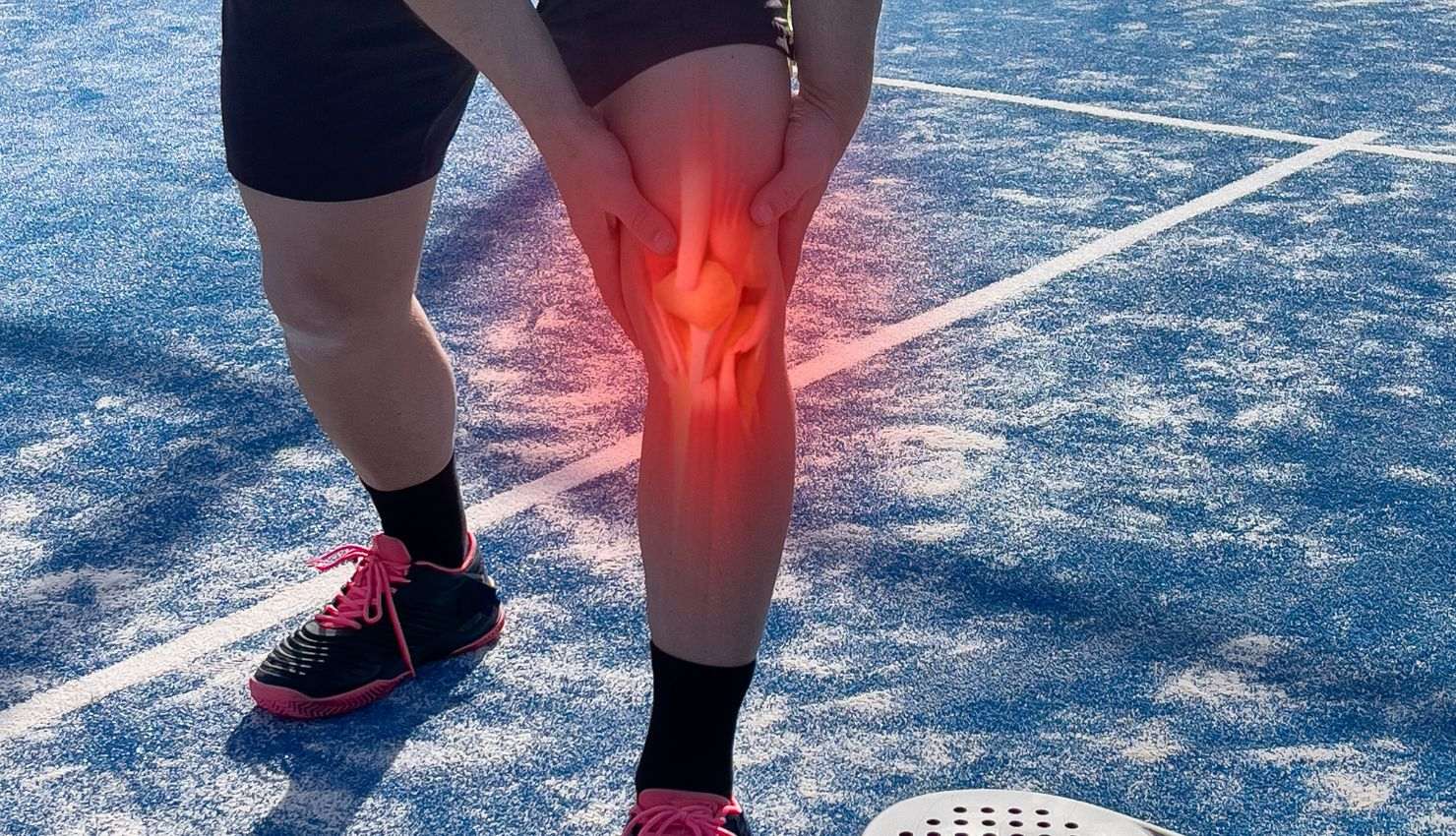
Sports injuries are common, and they can vary in severity from mild strains and sprains to more complex fractures or joint dislocations. Whether youre an elite athlete or someone who enjoys regular physical activity, managing pain from a sports injury effectively is crucial for your recovery and return to action. Physiotherapy is a key treatment modality for managing pain, improving recovery, and preventing re-injury. Heres how physiotherapy helps manage pain from sports injuries:
### **1. Initial Assessment and Diagnosis**
The first step in managing pain from a sports injury is an in-depth assessment by a physiotherapist. Understanding the nature of the injury helps in formulating an effective treatment plan.
#### **What the Physiotherapist Will Assess:**
* **Pain History**: The physiotherapist will ask about the location, intensity, and nature of the pain. They will inquire about when the pain began, how it changes with activity, and any specific movements that aggravate or relieve the pain.
* **Movement and Function**: The physiotherapist will assess how well you can move the injured area. This includes checking the range of motion (ROM) and flexibility.
* **Strength and Stability**: The physiotherapist will evaluate the strength of muscles around the injured area and look for imbalances or weakness that might be contributing to the pain.
* **Posture and Mechanics**: Poor posture or incorrect movement patterns can exacerbate injuries. Your physiotherapist will check your posture and body mechanics to determine if these factors are contributing to the injury.
Once the injury is properly diagnosed, the physiotherapist can create a tailored treatment plan that addresses the pain and underlying causes of the injury.
### **2. Pain Management Techniques**
Reducing pain is often the first priority in managing sports injuries. Physiotherapists use various pain relief techniques to provide immediate relief and create the optimal environment for healing.
#### **Common Pain Management Methods:**
* **Ice Therapy (Cryotherapy)**: In the first 48 to 72 hours after an injury, ice is applied to reduce inflammation, numb the pain, and manage swelling. This is particularly useful for sprains, strains, and soft tissue injuries.
* **Heat Therapy**: After the acute phase of injury, heat can be used to relax tight muscles, improve blood flow, and reduce stiffness. Heat is often used in conjunction with other treatments after inflammation has subsided.
* **Transcutaneous Electrical Nerve Stimulation (TENS)**: This technique involves using electrical impulses to block pain signals and stimulate the release of endorphins, which are the bodys natural painkillers.
* **Ultrasound Therapy**: Therapeutic ultrasound uses sound waves to penetrate deep into tissues, improving circulation, reducing inflammation, and promoting tissue healing, especially in muscles, ligaments, and tendons.
* **Massage Therapy**: Soft tissue massage helps reduce muscle tension, improve circulation, and relieve pain caused by muscle spasms, tightness, or adhesions.
### **3. Restoring Range of Motion (ROM)**
Injuries often lead to stiffness and a limited range of motion. Physiotherapists use a variety of techniques to restore full movement in the affected joint or muscle.
#### **How Physiotherapy Helps:**
* **Passive Range of Motion (ROM) Exercises**: In the early stages of recovery, the physiotherapist may gently move the joint through its range of motion to prevent stiffness and improve flexibility without stressing the injured area.
* **Active-Assisted ROM**: As healing progresses, you may be encouraged to participate in exercises that help move the joint, with assistance from the physiotherapist if necessary.
* **Stretching and Flexibility Exercises**: Physiotherapists design stretching routines to lengthen the muscles and tendons that have become tight after an injury. Stretching helps improve flexibility, reduce muscle tightness, and increase the overall range of motion.
* **Joint Mobilizations**: For joint injuries, manual techniques can be used to improve joint mobility and reduce pain. This is often helpful for conditions like shoulder impingement or knee stiffness.
### **4. Strengthening and Conditioning Exercises**
Muscle weakness or imbalances are common causes of injuries and can also contribute to the severity of the pain. Physiotherapists focus on strengthening the muscles around the injured area to provide better support and stability.
#### **Strengthening Exercises:**
* **Isometric Exercises**: These exercises involve contracting the muscles without moving the joint. They help maintain muscle strength early in the recovery process, especially when movement is limited.
* **Progressive Resistance Training**: As you regain mobility, your physiotherapist will introduce resistance exercises using bands, weights, or your body weight. These exercises aim to strengthen the muscles that support the joint and improve overall function.
* **Core Strengthening**: Many sports injuries involve the spine or pelvis. Strengthening the core muscles (abs, lower back, and pelvis) helps stabilize the body and prevent injury to the back, hips, or shoulders.
* **Sport-Specific Conditioning**: For athletes, physiotherapists may incorporate sport-specific conditioning exercises to target muscles used during the activity and promote better performance when returning to sport.
### **5. Proprioception and Balance Training**
After an injury, proprioception (the bodys sense of joint position and movement) can be impaired, which increases the risk of reinjury. Physiotherapists use balance and proprioception training to retrain your bodys awareness of movement, improving coordination and stability.
#### **How It Helps:**
* **Balance Exercises**: Standing on one leg, using balance boards, or performing dynamic exercises that challenge stability helps improve coordination and strengthen stabilizing muscles.
* **Joint Position Sense**: Physiotherapists use specific exercises to help you regain the ability to sense the position of the injured joint, which helps prevent missteps and re-injury.
* **Dynamic Stability Training**: As you progress, more advanced exercises that mimic real-life movements (like agility drills or sport-specific movements) are used to enhance balance and proprioception in functional settings.
### **6. Manual Therapy and Soft Tissue Work**
Manual therapy is a hands-on treatment method that helps alleviate pain and improve function by targeting soft tissues (muscles, ligaments, tendons) and joints.
#### **Manual Therapy Techniques:**
* **Joint Mobilization and Manipulation**: These techniques involve the physiotherapist using their hands to move the joint in a specific way to improve its mobility and function. Joint manipulation can also help relieve pain associated with joint stiffness or misalignment.
* **Myofascial Release**: This technique targets the fascia (connective tissue) surrounding muscles to relieve tightness and improve flexibility. Its particularly useful for treating muscle tension or scar tissue following an injury.
* **Trigger Point Therapy**: Trigger points are hyperirritable spots in muscles that can refer pain to other areas. Manual techniques such as pressure or dry needling are used to release these points and reduce pain.
### **7. Return-to-Activity Strategy**
After managing pain and improving function, physiotherapists help athletes or patients return to their regular activities in a controlled and safe manner.
#### **Gradual Progression:**
* **Gradual Increase in Activity**: Returning to physical activity too soon can result in a setback or reinjury. Physiotherapists guide patients through a phased return to activity, ensuring they dont push too hard too soon.
* **Sport-Specific Rehabilitation**: For athletes, physiotherapists design a plan to gradually reintroduce sport-specific movements and exercises. This ensures the body is ready for the physical demands of the sport without risking further injury.
### **8. Education and Injury Prevention**
Education is key to preventing future injuries and managing sports-related pain. Physiotherapists help patients understand the importance of injury prevention strategies to avoid reoccurrence.
#### **Preventative Measures:**
* **Proper Technique**: Physiotherapists educate athletes on how to use proper techniques when performing sport-specific movements to prevent strain and injury.
* **Ergonomic Advice**: If the injury is related to work or daily activities, physiotherapists provide ergonomic advice to prevent further stress on the body.
* **Equipment and Footwear**: Physiotherapists often recommend appropriate footwear and equipment for sports or physical activity, which can help reduce the risk of injury and improve performance.
### **9. Psychological Support**
Dealing with an injury, especially a sports injury, can be mentally challenging. Physiotherapists provide emotional support by helping patients stay motivated and focused on their recovery.
#### **Psychological Strategies:**
* **Goal Setting**: Setting realistic goals helps keep the patient motivated and gives a sense of achievement as they progress.
* **Mindfulness and Relaxation**: Relaxation techniques, such as deep breathing or guided imagery, can help manage the emotional aspects of dealing with pain and recovery.
### **Conclusion**
Physiotherapy is a critical part of managing pain from sports injuries. It addresses not only the pain but also the underlying causes of the injury through a variety of techniques, including manual therapy, strengthening exercises, flexibility training, and education. By combining hands-on treatments with rehabilitation exercises and return-to-sport strategies, physiotherapists help patients recover safely, improve function, and reduce the risk of future injuries. Whether you’re recovering from a mild strain or a more severe injury, physiotherapy provides the support needed for optimal recovery and a return to full activity.