Foot injuries can cause significant discomfort and limit mobility, affecting your daily activities and quality of life. Whether it’s a sprain, strain, fracture, or a condition like plantar fasciitis or Achilles tendinitis, physiotherapy plays a vital role in managing foot pain and promoting recovery.

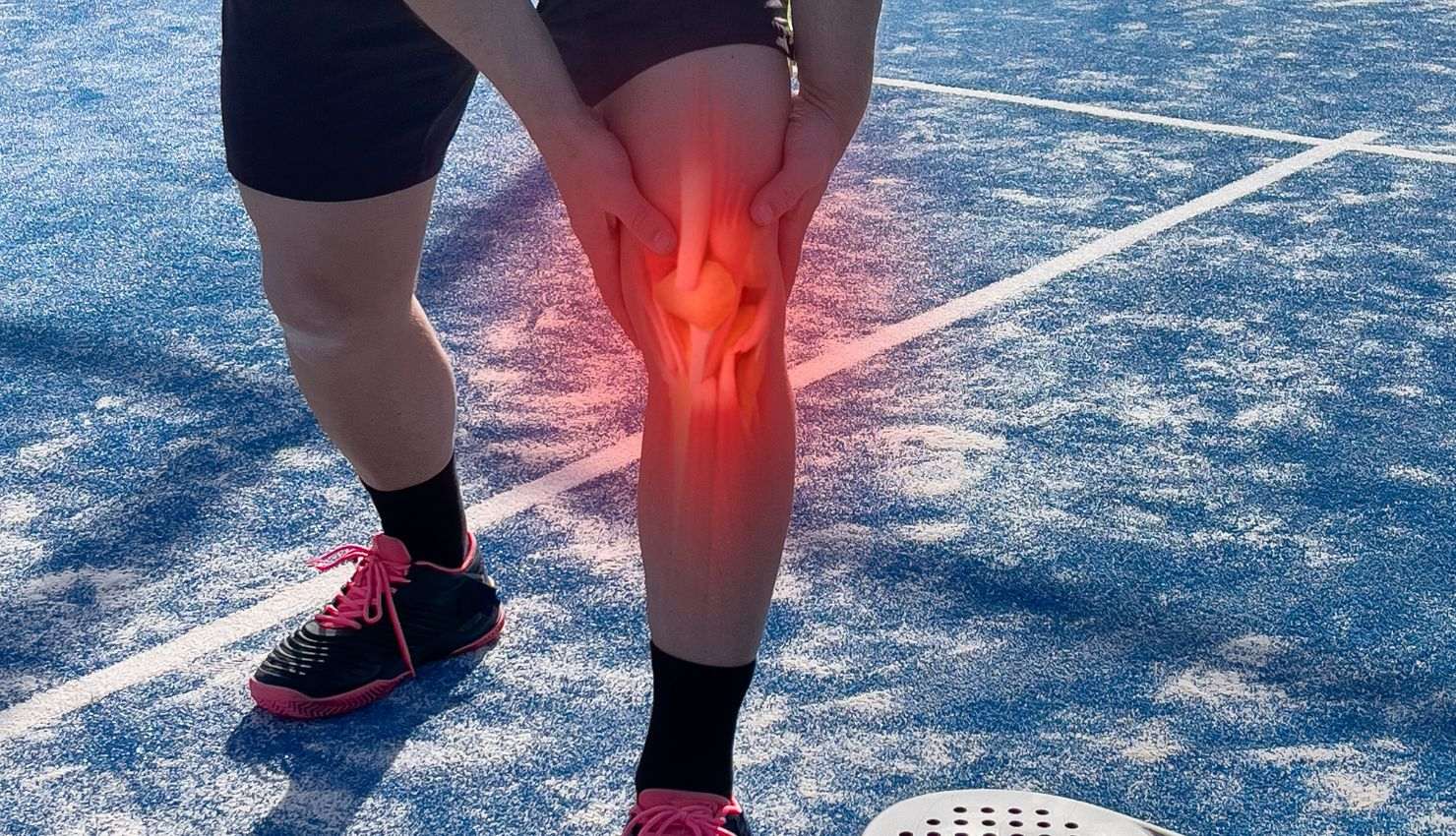
Foot injuries can cause significant discomfort and limit mobility, affecting your daily activities and quality of life. Whether it’s a sprain, strain, fracture, or a condition like plantar fasciitis or Achilles tendinitis, physiotherapy plays a vital role in managing foot pain and promoting recovery. Physiotherapists use a variety of techniques to reduce pain, restore function, and prevent further injury. Here’s how physiotherapy can help manage pain from foot injuries:
### **1. Initial Assessment and Diagnosis**
The first step in managing foot pain with physiotherapy is a thorough assessment. A physiotherapist will evaluate the injury and its underlying causes to create a targeted treatment plan.
#### **What the Physiotherapist Will Assess:**
– **Pain Location and Severity**: Theyll ask you to describe where the pain is located, its intensity, and when it occurs (e.g., during activity, at rest, etc.).
– **Gait and Posture**: The physiotherapist will observe your walking pattern (gait) to check for any abnormalities that may be contributing to foot pain.
– **Range of Motion**: They will assess the flexibility and mobility of your foot, ankle, and lower leg to identify areas of restriction or tightness.
– **Strength**: Muscle weakness in the foot or lower leg may be contributing to the injury. The physiotherapist will assess muscle strength to identify any imbalances.
### **2. Pain Relief Techniques**
Reducing pain is a priority during the early stages of recovery. Physiotherapists employ several modalities to manage foot pain effectively.
#### **Pain Management Modalities:**
– **Ice Therapy (Cryotherapy)**: Ice helps reduce swelling and numb the pain in the initial stages after an injury. Ice packs can be applied to the affected area for 15-20 minutes at a time, especially after activity.
– **Heat Therapy**: Heat is typically used in the later stages of healing to relax tight muscles, improve circulation, and reduce stiffness. A warm towel or heating pad can be applied to the foot to relieve discomfort.
– **TENS (Transcutaneous Electrical Nerve Stimulation)**: TENS uses electrical impulses to block pain signals and stimulate the release of endorphins, providing relief from foot pain.
– **Ultrasound Therapy**: Therapeutic ultrasound uses high-frequency sound waves to penetrate deep into tissues, reducing inflammation, promoting healing, and relieving pain in the foot and surrounding areas.
### **3. Manual Therapy**
Manual therapy involves hands-on techniques to mobilize the joints and tissues of the foot and lower leg to reduce pain and improve function.
#### **Techniques Used in Manual Therapy:**
– **Joint Mobilization**: Physiotherapists use gentle, controlled movements to mobilize the foot and ankle joints, improving range of motion and reducing stiffness caused by the injury.
– **Soft Tissue Massage**: Massage techniques can help release tension in the muscles, ligaments, and fascia of the foot and lower leg, promoting relaxation and blood flow to the affected area.
– **Myofascial Release**: This technique targets the connective tissue (fascia) to alleviate tightness and improve movement. Its especially useful for conditions like plantar fasciitis or Achilles tendinitis.
### **4. Exercise Therapy**
One of the most important aspects of physiotherapy for foot injuries is exercise therapy. Strengthening, stretching, and mobility exercises can help you recover more quickly, reduce pain, and prevent future injuries.
#### **Types of Exercises:**
– **Strengthening Exercises**: Weak muscles in the foot and lower leg can contribute to injury. Physiotherapists design strengthening exercises to target key muscles such as the intrinsic foot muscles, calf muscles, and the muscles around the ankle. Examples include:
– **Towel scrunches**: Curling your toes to pull a towel toward you, which strengthens the muscles in the bottom of the foot.
– **Resistance band exercises**: These can help strengthen the ankle and foot muscles by providing resistance while performing ankle movements (e.g., dorsiflexion, plantarflexion).
– **Stretching Exercises**: Tight muscles and tendons can contribute to pain in the foot. Stretching the calf muscles, Achilles tendon, and the plantar fascia can help reduce tension and improve mobility. For example:
– **Calf stretches**: These help improve flexibility in the calf muscles and reduce strain on the foot.
– **Plantar fascia stretches**: This stretch targets the bottom of the foot, providing relief for conditions like plantar fasciitis.
– **Balance and Stability Exercises**: These exercises improve proprioception (the body’s awareness of its position in space) and help stabilize the foot. Ankle circles, balance boards, and single-leg stands are all examples of exercises designed to improve balance and prevent future injuries.
– **Range of Motion (ROM) Exercises**: These exercises restore the normal flexibility of the foot and ankle, helping to maintain or improve mobility after an injury.
### **5. Gait Training and Footwear Education**
Your walking pattern (gait) can contribute to foot pain, especially if you have an abnormal gait pattern. Physiotherapists can guide you on how to walk with proper alignment and avoid further strain on the injured foot.
#### **Gait Training:**
– **Foot Positioning**: The physiotherapist will observe your walking pattern and provide cues on how to adjust your posture and foot positioning to reduce pressure on the injured area.
– **Walking Mechanics**: They may suggest modifications to your walking mechanics, such as shifting weight away from the painful area or using specific shoes that provide better support.
#### **Footwear Recommendations:**
– **Proper Shoe Fit**: Ill-fitting shoes can worsen foot pain or contribute to injuries. Physiotherapists may recommend footwear with adequate arch support, cushioning, and a proper fit to reduce stress on the foot.
– **Orthotics**: If necessary, physiotherapists may recommend custom-made or over-the-counter insoles to provide additional support for the foot, redistribute pressure, and correct biomechanical issues like flat feet or high arches.
### **6. Activity Modification and Lifestyle Changes**
Its important to modify certain activities during the healing process to prevent further injury. Physiotherapists guide patients on how to gradually return to activities while managing pain and promoting healing.
#### **Activity Modification:**
– **Pacing Activities**: Physiotherapists help you pace your activities by incorporating rest periods and gradually increasing the intensity and duration of your physical activities. They may recommend low-impact exercises like swimming or cycling, which are easier on the foot than high-impact activities like running or jumping.
– **Avoiding Aggravating Movements**: The physiotherapist will identify specific movements or activities that exacerbate the pain and advise you to avoid them until healing progresses.
### **7. Preventing Future Foot Injuries**
Preventing re-injury is key to long-term recovery. Physiotherapists provide education and strategies to help you avoid foot injuries in the future.
#### **Prevention Strategies:**
– **Regular Strengthening and Stretching**: Continuing with foot and lower leg strengthening and flexibility exercises can help keep your muscles and tendons in good condition, reducing the risk of injury.
– **Maintaining Proper Posture and Gait**: Proper alignment and walking mechanics can prevent unnecessary strain on the feet and joints.
– **Footwear Maintenance**: Ensuring you wear proper shoes for your activity and replacing worn-out shoes regularly can help prevent injuries.
– **Gradual Increase in Activity Level**: Avoid overexertion or sudden increases in activity intensity. A gradual increase in physical activity can help the body adapt and prevent strain.
### **8. Psychological Support**
Chronic pain or foot injuries can also affect your emotional well-being. Physiotherapists offer psychological support by encouraging positive thinking and helping you stay motivated throughout your recovery process.
#### **Supportive Measures:**
– **Motivation**: Physiotherapists help you set realistic goals and celebrate progress, no matter how small.
– **Coping with Pain**: They provide coping strategies, such as relaxation techniques or mindfulness, to manage stress and frustration that may come with prolonged pain or injury.
### **Conclusion**
Physiotherapy is an essential part of managing foot injuries, offering a comprehensive approach to reduce pain, promote healing, and prevent future problems. Through a combination of pain relief techniques, strengthening exercises, gait training, and education, physiotherapists help patients recover from foot injuries and return to their daily activities safely and effectively. By working with a physiotherapist, individuals can achieve long-term pain relief and improved foot health, enhancing their mobility and overall quality of life.