Managing pain from osteoarthritis (OA) with physiotherapy can be a highly effective approach to improving mobility and reducing discomfort. Osteoarthritis is a degenerative joint disease that commonly affects the knees, hips, hands, and spine, leading to pain, stiffness, and inflammation.

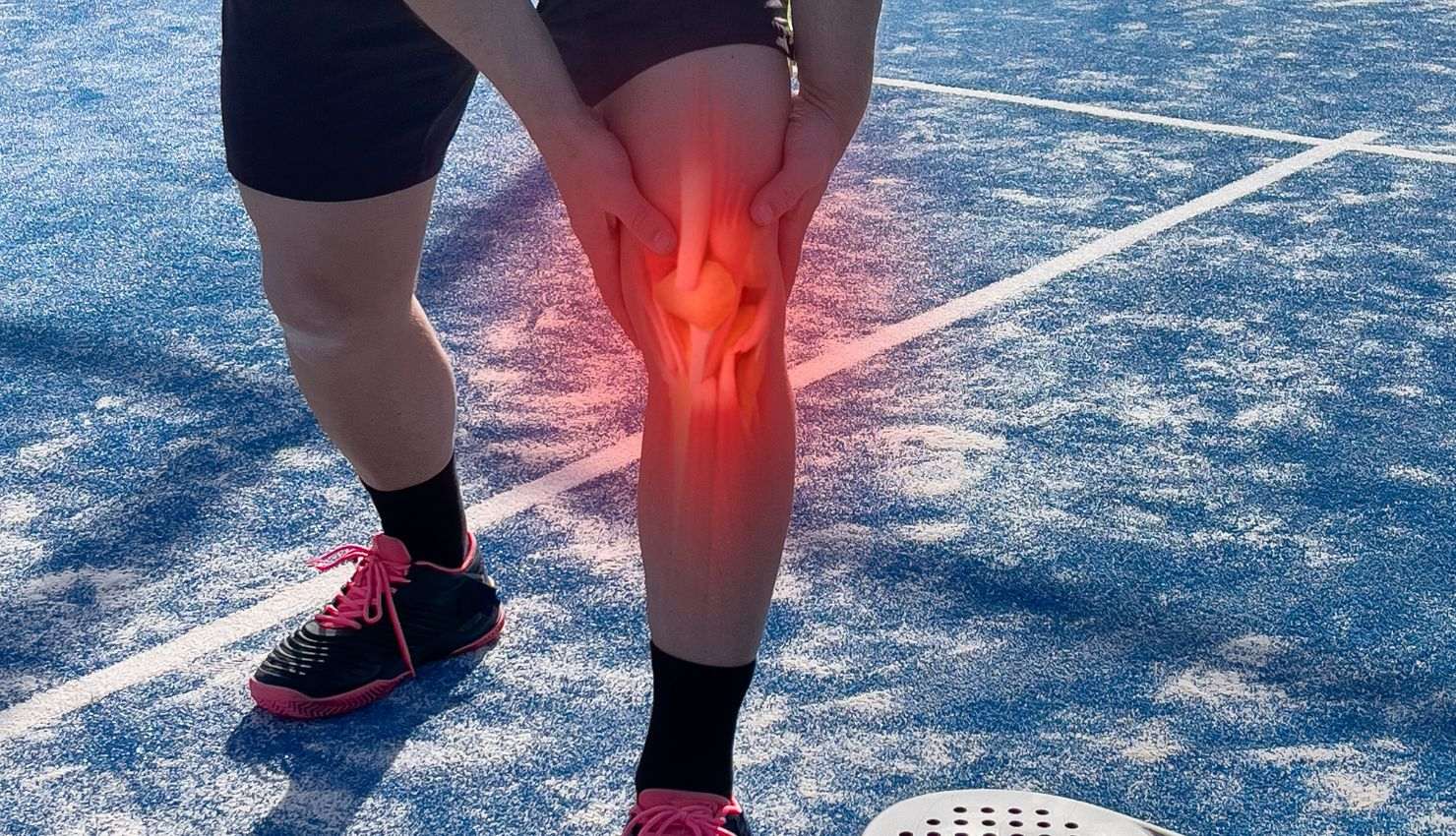
Managing pain from osteoarthritis (OA) with physiotherapy can be a highly effective approach to improving mobility and reducing discomfort. Osteoarthritis is a degenerative joint disease that commonly affects the knees, hips, hands, and spine, leading to pain, stiffness, and inflammation. Physiotherapy focuses on exercises, education, and techniques that aim to improve joint function, alleviate pain, and promote overall well-being. Heres how physiotherapy can help manage OA pain:
1. Personalized Exercise Program
One of the primary components of physiotherapy is a tailored exercise program designed to increase strength and flexibility around the affected joint. Exercises often focus on:
Strengthening the muscles around the joint to provide better support and reduce stress on the joint itself.
Improving flexibility and range of motion, which helps reduce stiffness and discomfort.
Aerobic exercises, such as swimming or cycling, that can help reduce the load on the joints while maintaining cardiovascular health.
These exercises are crucial because they help maintain or even improve joint function without aggravating pain.
2. Manual Therapy
Physiotherapists often use hands-on techniques to help relieve pain and improve joint function. Manual therapy may include:
Joint mobilization: Gentle movements or stretches applied to the joint to restore its normal movement and reduce stiffness.
Soft tissue manipulation: Techniques to relax tight muscles and reduce tension around the joint.
Massage therapy: To improve blood circulation, reduce muscle tension, and alleviate pain.
Manual therapy can provide immediate relief and may also help improve the range of motion in joints affected by OA.
3. Pain Management Techniques
Physiotherapists can guide you on various pain management techniques, such as:
Heat and cold therapy: Applying heat or cold to affected areas to relieve pain and reduce inflammation.
TENS (Transcutaneous Electrical Nerve Stimulation): A device that uses low-voltage electrical currents to help relieve pain by stimulating the nerves and reducing pain signals.
Ultrasound therapy: This uses sound waves to increase blood flow and reduce inflammation in deep tissues.
These techniques can help manage pain on a short-term basis and make physical activity easier.
4. Posture and Body Mechanics Education
Inappropriate posture and body mechanics can exacerbate joint pain, especially in OA. A physiotherapist can teach you proper posture techniques and ways to move that protect your joints from further damage. This might include:
How to sit, stand, and walk correctly to reduce strain on your joints.
Proper lifting techniques to avoid putting undue pressure on your knees, back, or hips.
Ergonomics adjustments for daily activities, like using cushions or supports while sitting for long periods, to avoid increasing pain.
5. Assistive Devices and Support
Physiotherapists may recommend assistive devices to help you manage OA pain. This can include:
Orthotic insoles: Custom-made shoe inserts to help alleviate pressure on the joints, especially in the knees and hips.
Braces or supports: To stabilize and protect the affected joint while reducing the load on it.
Walking aids (like canes or walkers): To help with mobility and reduce the stress on weight-bearing joints, especially the knees and hips.
6. Education on Lifestyle Modifications
Living with osteoarthritis often requires lifestyle adjustments. Physiotherapists can guide you in:
Weight management: Maintaining a healthy weight is critical for reducing stress on weight-bearing joints, such as the knees and hips.
Activity modifications: Certain activities can exacerbate OA pain. Physiotherapists can suggest alternative activities or modifications to ensure you’re staying active without worsening your condition.
7. Progressive Monitoring
Osteoarthritis symptoms can vary day by day. A physiotherapist can help monitor your progress and make adjustments to your exercise plan as needed, ensuring you’re consistently working toward pain reduction and improved joint health.
Conclusion
Osteoarthritis pain doesn’t have to limit your life. Physiotherapy provides a comprehensive and holistic approach that combines exercises, manual techniques, and lifestyle modifications to manage pain, enhance joint mobility, and improve overall function. If youre dealing with osteoarthritis, working with a physiotherapist can be an empowering way to regain control over your joints and live a more comfortable life. Always consult with your healthcare provider before starting a physiotherapy program to ensure its the right approach for your specific needs.