Training for sports often involves pushing your body to its limits, which can sometimes lead to pain and discomfort. Whether you’re dealing with acute injuries, muscle soreness, or chronic conditions, managing pain effectively is essential to continue training without compromising your progress or long-term health.

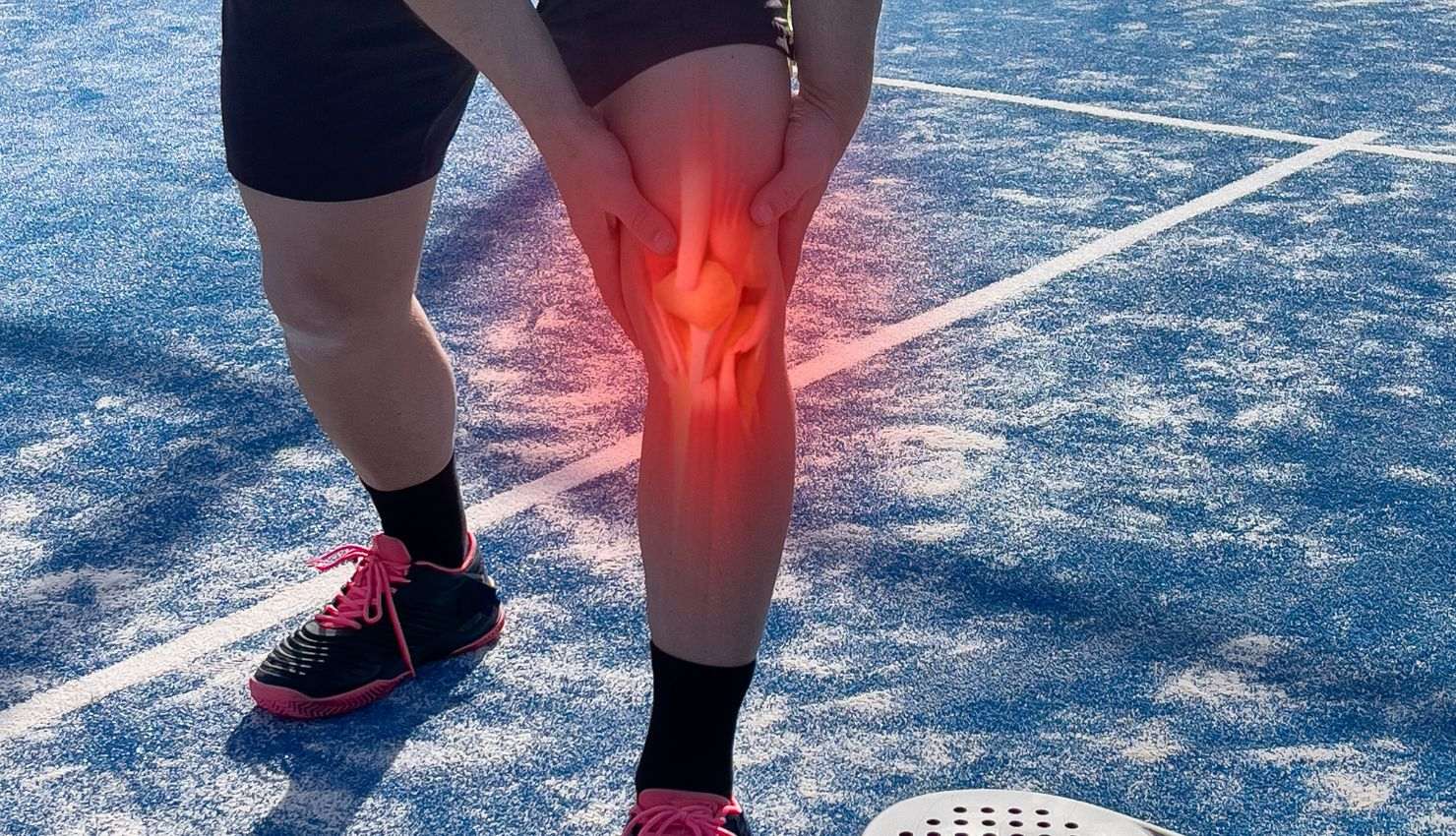
Training for sports often involves pushing your body to its limits, which can sometimes lead to pain and discomfort. Whether you’re dealing with acute injuries, muscle soreness, or chronic conditions, managing pain effectively is essential to continue training without compromising your progress or long-term health. Physiotherapy plays a crucial role in managing pain while ensuring you stay on track with your sports training goals. Here’s how physiotherapy can help you manage pain during sports training:
### **1. Early Injury Assessment and Diagnosis**
If you’re experiencing pain while training, it’s crucial to get an early assessment from a physiotherapist. By identifying the source of the pain, they can help determine whether it’s due to an acute injury (such as a sprain or strain), an overuse injury (like tendinitis), or a result of poor biomechanics or posture.
#### **Benefits of Early Assessment:**
* **Prevents Worsening of Injury**: Early diagnosis helps prevent further injury or damage by providing a clear treatment plan.
* **Personalized Treatment Plan**: Physiotherapists create a customized approach to manage your pain while allowing you to continue training effectively.
* **Clearer Training Modifications**: The physiotherapist can guide you on which exercises or movements to avoid to prevent aggravating the pain.
### **2. Pain Management Techniques**
Physiotherapists use a variety of pain management techniques to help you manage pain during sports training. These methods can alleviate discomfort, reduce inflammation, and promote healing without relying on pain medications.
#### **Pain Management Modalities:**
* **Ice Therapy (Cryotherapy)**: Ice can help reduce swelling, inflammation, and numb pain. Applying ice after intense training or injury can provide immediate relief.
* **Heat Therapy**: Heat can promote blood flow and relax tight muscles, making it useful for chronic muscle soreness or stiffness after workouts.
* **Ultrasound Therapy**: Ultrasound uses sound waves to promote deep tissue healing and reduce inflammation in muscles, tendons, and ligaments.
* **Transcutaneous Electrical Nerve Stimulation (TENS)**: TENS therapy uses electrical impulses to block pain signals and promote the release of endorphins (natural painkillers).
* **Dry Needling**: This technique targets trigger points in muscles, releasing tightness and alleviating pain from overuse or injury.
### **3. Stretching and Mobility Exercises**
Tight muscles, stiffness, and limited range of motion are common sources of pain in athletes. Physiotherapists often incorporate stretching and mobility exercises into your training program to help prevent pain and injury.
#### **Stretching Benefits:**
* **Improves Flexibility**: Stretching helps improve the length of muscles and tendons, which increases flexibility and reduces the risk of strains.
* **Reduces Muscle Tightness**: Regular stretching can alleviate tight muscles and improve blood flow, which reduces soreness.
* **Restores Range of Motion**: Stretching exercises help maintain or restore joint mobility, which is particularly important in preventing stiffness in areas like the shoulders, hips, and ankles.
### **4. Strengthening Exercises**
Weak or imbalanced muscles often contribute to pain during sports training. Physiotherapists design strengthening exercises to target specific muscle groups that support the joints and improve overall performance.
#### **Strengthening Exercise Benefits:**
* **Corrects Muscle Imbalances**: Strengthening weaker muscles helps improve overall muscle balance and alignment, preventing compensatory movements that can lead to pain.
* **Improves Joint Stability**: Stronger muscles around joints like the knees, hips, and shoulders reduce strain on these areas, improving stability and reducing the risk of injury.
* **Enhances Performance**: Strengthening exercises increase muscle endurance and power, helping you perform better in your sport while reducing the risk of fatigue-related pain.
### **5. Sport-Specific Rehabilitation**
Physiotherapists often tailor rehabilitation exercises based on the specific sport you’re training for. Whether you’re a runner, swimmer, football player, or cyclist, sport-specific rehabilitation ensures that your training program addresses the movements and demands of your sport.
#### **Sport-Specific Rehabilitation Benefits:**
* **Targeted Recovery**: By focusing on the muscle groups and movement patterns used in your sport, physiotherapists can help prevent injuries specific to that sport and improve performance.
* **Functional Movements**: Physiotherapists design exercises that replicate real-life movements in your sport (e.g., sprinting, jumping, throwing) to improve functional strength, agility, and coordination.
* **Prevention of Re-injury**: A tailored rehabilitation program helps you safely return to your sport after an injury while reducing the risk of re-injury.
### **6. Biomechanical Analysis and Postural Correction**
Poor posture and biomechanics (how your body moves during activities) can lead to pain, particularly in the joints and muscles. Physiotherapists perform detailed biomechanical assessments to analyze your movement patterns during training.
#### **Biomechanical Analysis Benefits:**
* **Identifies Abnormal Movements**: Physiotherapists can pinpoint faulty movement patterns or improper posture that might be causing pain (e.g., overstriding while running or improper lifting techniques).
* **Corrects Technique**: They will help you correct your technique during training to ensure you’re moving in the most efficient way possible, reducing stress on your body and preventing pain.
* **Prevents Overuse Injuries**: By improving movement efficiency, physiotherapists help prevent the overuse injuries that commonly occur in athletes, such as tendinitis, stress fractures, or joint issues.
### **7. Gradual Progression of Intensity and Load**
Overtraining or increasing the intensity of training too quickly can lead to pain and injury. Physiotherapists help athletes gradually progress the intensity, volume, and load of their training programs to avoid overloading muscles and joints.
#### **Progression Strategies:**
* **Load Management**: Physiotherapists help you safely increase the intensity or duration of your training, ensuring that your body adapts to the added stress gradually.
* **Monitoring Recovery**: Physiotherapists also help manage recovery between training sessions, ensuring that you’re allowing adequate time for muscles to repair and rebuild, reducing the risk of injury from overtraining.
### **8. Injury Prevention and Education**
Preventing injury is a key focus of physiotherapy. Physiotherapists provide education on how to protect your body during sports training and manage any potential risk factors that could contribute to pain.
#### **Prevention Strategies:**
* **Warm-Up and Cool-Down**: Physiotherapists educate athletes on the importance of warming up before training and cooling down afterward. This helps prepare the body for exercise, improve flexibility, and reduce muscle tightness.
* **Footwear and Equipment**: Wearing appropriate footwear for your sport is crucial for preventing injuries and managing pain. Physiotherapists provide advice on choosing the right shoes and using the correct equipment.
* **Hydration and Nutrition**: Staying hydrated and fueling your body with the proper nutrients is essential for muscle recovery and injury prevention.
### **9. Psychological Support**
Training for sports can sometimes involve mental and emotional stress, especially when dealing with pain. Physiotherapists provide psychological support to help athletes stay motivated and positive while recovering from injury or managing chronic pain.
#### **Psychological Support Benefits:**
* **Motivation**: Physiotherapists encourage athletes to stick to their rehabilitation plan and stay positive throughout the recovery process.
* **Coping with Pain**: They can help you manage the emotional and psychological aspects of pain, particularly when dealing with chronic injuries or setbacks.
* **Building Confidence**: By providing a clear, structured plan for pain management and recovery, physiotherapists help athletes regain confidence in their body and performance.
### **10. Long-Term Management and Maintenance**
Once you’ve recovered from pain or injury, physiotherapists help you maintain your health and avoid future injuries by creating a long-term plan to keep your body in optimal condition.
#### **Long-Term Maintenance Strategies:**
* **Ongoing Exercise Routine**: Maintaining a regular strength, flexibility, and mobility program ensures that your body stays resilient and prepared for the demands of your sport.
* **Regular Check-Ins**: Physiotherapists may recommend periodic follow-up visits to assess progress and adjust the training program to prevent future injuries.
### **Conclusion**
Physiotherapy is a powerful tool for managing pain during sports training. Through a combination of pain management techniques, tailored exercises, biomechanical analysis, and injury prevention strategies, physiotherapists help athletes stay in peak condition while managing pain effectively. Whether you’re recovering from an injury or simply looking to prevent pain from recurring, physiotherapy provides a comprehensive approach to help you continue training and improve your performance without compromising your long-term health.