How to Navigate Hormonal Changes with the Support of Physiotherapy explores targeted strategies for recovery. Discover new paths to mobility, healing, and personalized care.

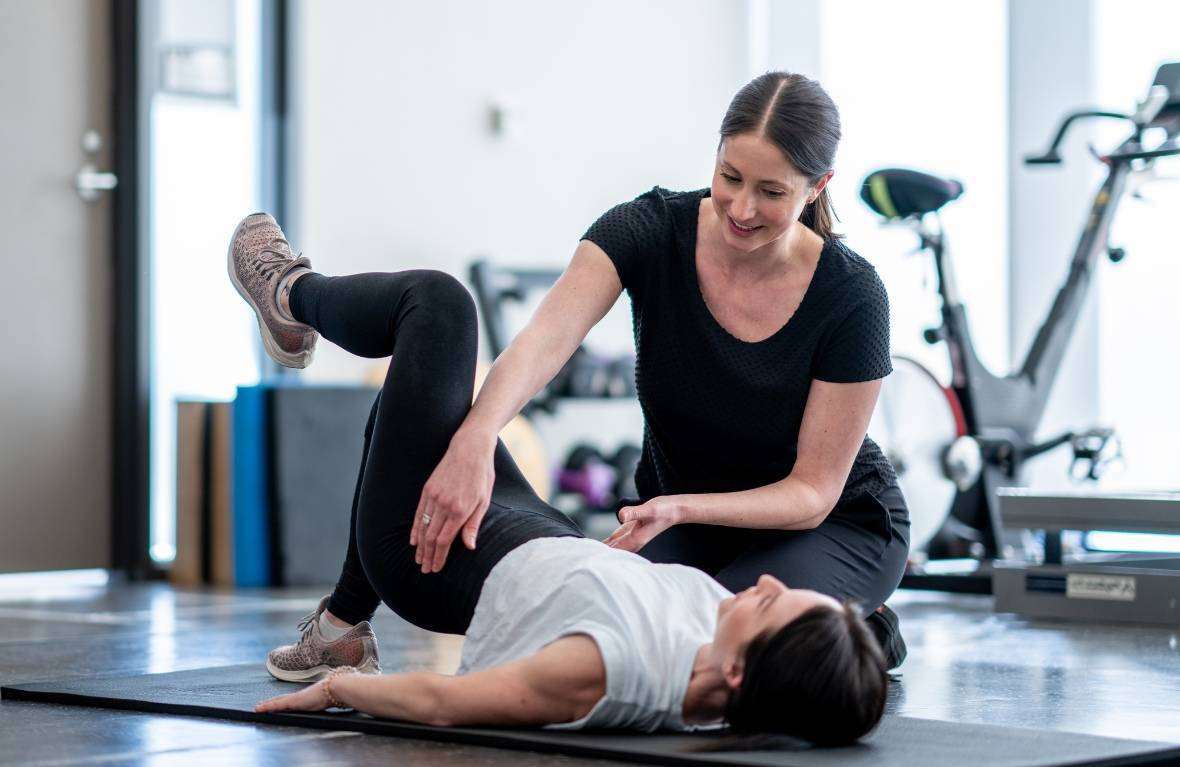
Hormones are the bodys chemical messengers. They play a vital role in regulating various physiological functions, including metabolism, mood, reproductive health, and more. However, as natural as these hormonal changes are, they can often feel overwhelmingespecially during key life stages such as puberty, pregnancy, postpartum recovery, and menopause. Thats where physiotherapy can step in as a supportive and empowering ally.
In this article, well explore how to navigate hormonal changes with the support of physiotherapy, diving into practical approaches and exercise-based therapies that can enhance well-being and improve quality of life.
Understanding Hormonal Changes and Their Impact
Before we dive into physiotherapys role, its essential to understand what hormonal changes mean for your body. Throughout life, hormones such as estrogen, progesterone, and testosterone fluctuate. These fluctuations can lead to symptoms like fatigue, bloating, muscle stiffness, joint pain, mood swings, weight gain, and even decreased bone density.
For many women, the menstrual cycle alone can introduce physical discomfort every month. Add to that pregnancy-related changes or the transition through menopause, and the body can experience prolonged periods of imbalance. Men, too, are not immuneage-related testosterone decline can cause joint pain, reduced muscle mass, and fatigue.
How Physiotherapy Supports Hormonal Health
Physiotherapy is a science-backed, non-invasive method that promotes healing and strength through targeted movements and therapeutic techniques. When applied to hormonal health, physiotherapy can reduce discomfort, restore physical function, and even positively influence hormonal balance through exercise and lifestyle changes.
1. Exercise as a Hormonal Regulator
One of the most powerful ways physiotherapy helps regulate hormones is through tailored exercise programs. Regular physical activity influences hormone levels, especially insulin, cortisol, and serotonin. Physiotherapists create personalized exercise plans that account for your hormonal state and body condition. Whether youre going through perimenopause or experiencing thyroid-related issues, these exercises help reduce inflammation, increase energy, and stabilize mood.
Long-tail keyword focus: physiotherapy exercise for hormone balance, regulating hormones through physiotherapy
2. Managing Chronic Pain and Inflammation
Hormonal fluctuations often exacerbate chronic pain, especially in conditions like PCOS (Polycystic Ovary Syndrome), endometriosis, and fibromyalgia. Physiotherapists use pain management techniques like manual therapy, dry needling, and gentle mobilizations to reduce muscle tension and ease joint stiffness. These techniques are especially beneficial for women dealing with estrogen imbalances.
Short-tail keyword focus: hormonal pain relief, physiotherapy for inflammation
3. Pelvic Floor Physiotherapy for Reproductive Hormonal Health
A critical yet often overlooked area of hormonal health is the pelvic floor. Women navigating pregnancy, postpartum recovery, or menopause may experience pelvic floor dysfunction. Specialized pelvic physiotherapy helps strengthen this area, improving bladder control, sexual health, and hormonal response through circulation and muscle tone.
SEO keyword: pelvic floor physiotherapy Canada, menopause physiotherapy support
4. Posture and Alignment Adjustments
Changes in hormone levels can affect ligaments and joints. Estrogen, in particular, affects the elasticity of tissues, which may lead to postural misalignments or instability. A physiotherapist assesses posture and alignment, providing exercises and corrections that improve overall stability and reduce strain, which in turn can ease hormonal symptoms like back pain and joint aches.
5. Stress Management and Hormonal Balance
Stress is a major disruptor of hormonal harmony. Elevated cortisol levels can wreak havoc on your bodys systems. Physiotherapists integrate relaxation techniques such as diaphragmatic breathing, gentle stretching, and mobility exercises to reduce stress and cortisol overload. Over time, these practices support nervous system regulation and restore hormonal equilibrium.
Keyword targets: stress and hormone physiotherapy, calming physiotherapy for hormone imbalance
Tailored Treatment for Different Life Stages
Every phase of life brings new hormonal challenges. Thats why physiotherapy treatments must be customized:
Teens and Young Adults: Physiotherapy for young women can help manage PMS symptoms, cramps, and stress through low-impact exercise and postural training.
Pregnancy and Postpartum: Support during this phase includes core stabilization, pelvic floor strengthening, and posture correction to address both hormonal and physical demands.
Perimenopause and Menopause: Women in midlife benefit from bone-strengthening exercises, joint mobility work, and strategies to combat weight gain and fatigue.
Men with Hormonal Decline: Gentle resistance training and stretching routines can combat muscle loss, stiffness, and mood changes associated with low testosterone.
Keyword focus: physiotherapy during menopause, postpartum hormonal recovery exercises
The Canadian Perspective: Why Choose YFS for Hormonal Support?
At YourFormSUX (YFS), we understand that no two bodies are the sameespecially when it comes to hormones. Our experienced team of physiotherapists in Canada takes a compassionate, results-oriented approach to hormonal health. We dont just treat your symptomswe look at the root cause, crafting treatment plans that restore balance and promote long-term vitality.
YFS physiotherapists stay up to date with the latest evidence-based practices in womens health physiotherapy, pelvic therapy, and therapeutic exercise for hormonal regulation. Whether youre seeking relief from PMS or navigating the ups and downs of menopause, were here to support your journey with care and expertise.
Final Thoughts
Hormonal changes can feel like a rollercoaster, but with the right support, you dont have to ride it alone. Physiotherapy offers more than just pain reliefit offers empowerment. By integrating movement, breathwork, and education into your health routine, you can regain control of your body and your hormones.
If youre experiencing hormonal shifts and are curious about physiotherapys role in your healing, reach out to YourFormSUX Canada. Lets build a personalized plan that helps you move better, feel stronger, and live with more balanceno matter where you are on your hormonal journey.