Start with Your Chair Your Posture Foundation Your chair is the most important piece of ergonomic equipment.

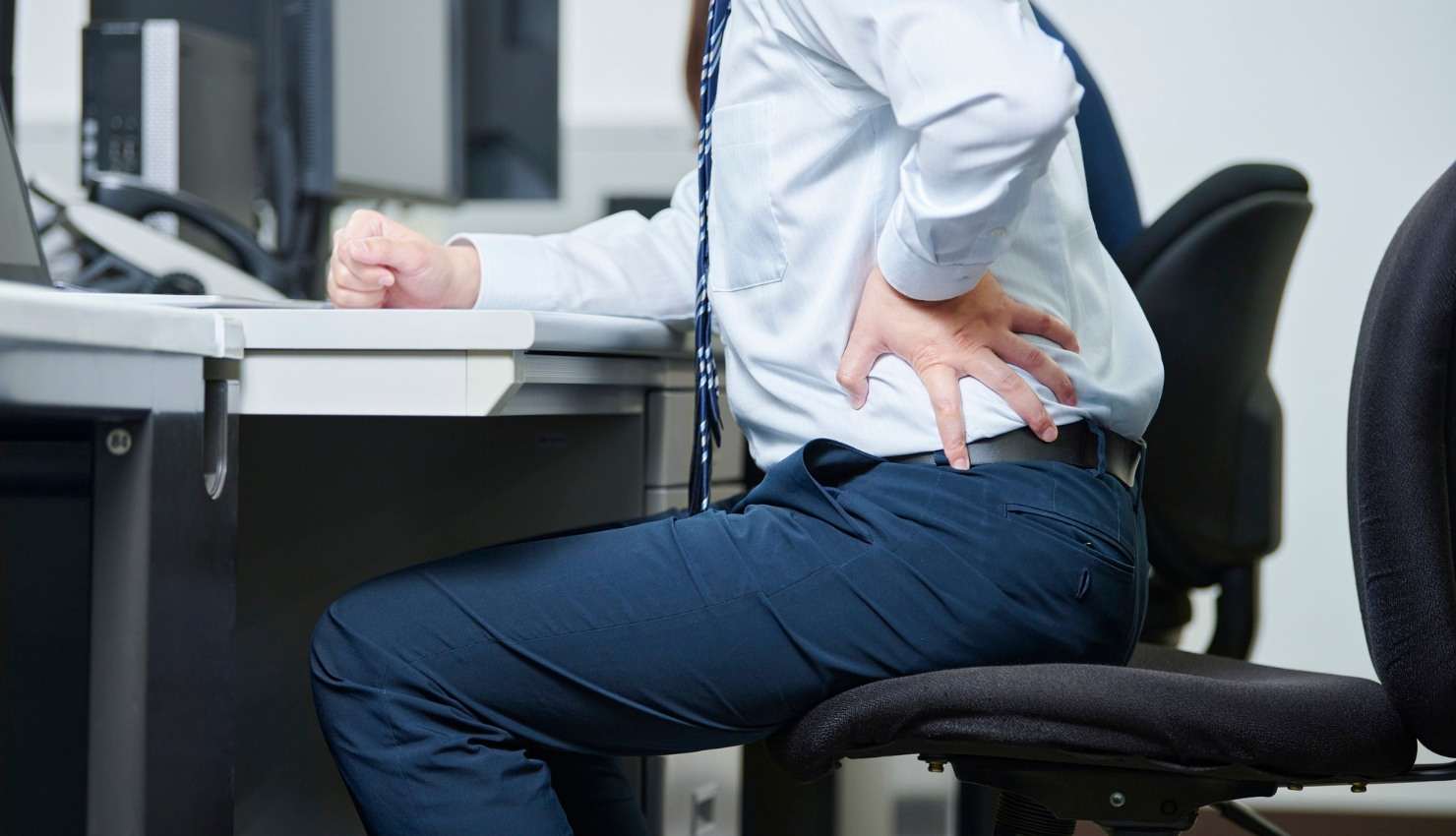
Start with Your Chair Your Posture Foundation
Your chair is the most important piece of ergonomic equipment.
? Look for:
Adjustable seat height: feet flat, knees at 90°
Lumbar support: natural curve in lower back supported
Armrests: keep elbows at 90°, shoulders relaxed
Seat depth: 23 fingers between edge of seat and back of knees
?? Fixes on a budget: Use a rolled towel or cushion for back support.
?? 2. Monitor Height = Eye Level
A monitor thats too low leads to tech neck and upper back pain.
? Set your screen so:
The top third of the screen is at eye level
Monitor is about an arms length away
Your neck stays neutral not tilted up or down
?? Stack books or use a laptop riser to get the right height.
?? 3. Keyboard & Mouse Position
Incorrect placement causes wrist, shoulder, and forearm strain.
? Ideal position:
Elbows at 90°, close to your sides
Wrists straight, not bent up or down
Mouse close to the keyboard (no reaching)
Keyboard flat or slightly negative tilt
?? Consider an ergonomic keyboard or vertical mouse if you feel wrist tension.
?? 4. Feet Flat and Supported
Dangling or crossed legs throw off alignment from the ground up.
? Do this:
Feet flat on the floor
Knees level with or slightly below hips
Use a footrest or box if your chair is too high
??This keeps your spine, pelvis, and lower body in balance.
?? 5. Lighting and Screen Position
Eye strain contributes to fatigue and posture problems.
? Tips:
Use natural light, but avoid screen glare
Position light to the side of your monitor
Use blue light filters or screen protectors
Set brightness to match your environment
?? Use the 20-20-20 rule: every 20 minutes, look 20 feet away for 20 seconds.
????? 6. Add Comfort-Boosting Accessories
If you work long hours, small upgrades make a big difference.
Consider:
External keyboard and mouse (especially with laptops)
Monitor riser or adjustable arm
Cushion for lumbar or seat support
Anti-fatigue mat (if using a standing desk)
Noise-canceling headphones to reduce stress
?? 7. Build in Movement Breaks
Even a perfect setup cant prevent fatigue if you never move.
Physiotherapy Tip:
Every 3060 minutes, stand, stretch, or move for 12 minutes
Alternate between sitting and standing if possible
Use a timer or app like Stretchly or BreakTimer
?? Your best posture is your next posture.
?? Final Ergonomic Checklist:
Chair supports your back and lets feet rest flat
Monitor at eye level and arms length away
Keyboard/mouse within easy reach, wrists neutral
Elbows at 90°, shoulders relaxed
Good lighting, minimal glare
Reminders to move and stretch dur