How to Overcome Pelvic Floor Dysfunction with Physiotherapy explores targeted strategies for recovery. Discover new paths to mobility, healing, and personalized care.

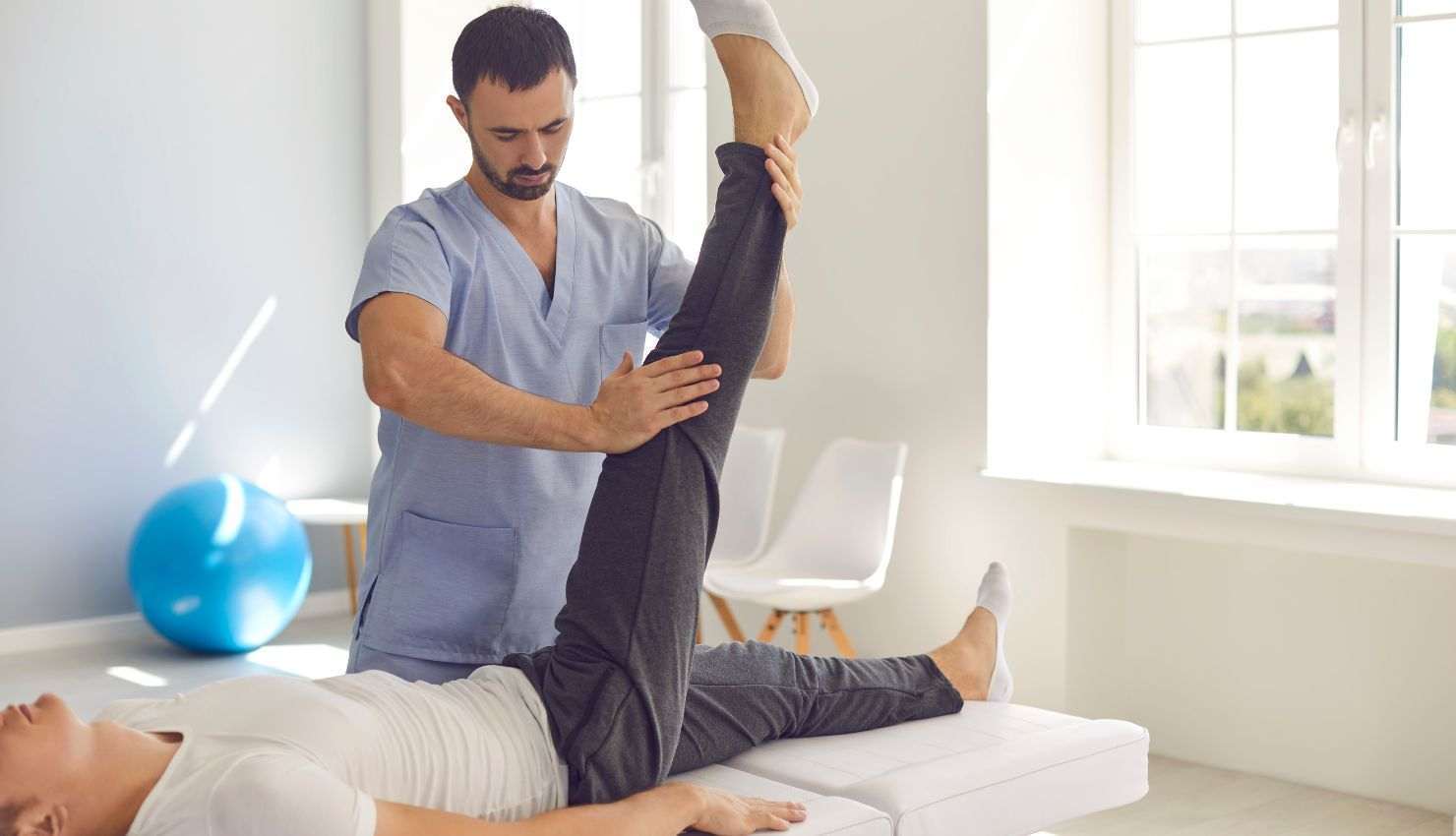
Pelvic floor dysfunction is more common than most people realizeand far more treatable. From urinary incontinence and pelvic pain to sexual discomfort and core instability, the symptoms of a dysfunctional pelvic floor can significantly affect daily life. But heres the good news: physiotherapy is one of the most effective, evidence-based approaches to restoring pelvic floor function, strength, and coordination.
At YourFormSux, we work with individuals across Toronto to help them overcome pelvic floor dysfunction with personalized, trauma-informed physiotherapy. Whether youve been recently diagnosed or struggling for years, you dont have to live with the symptoms. Recovery is possiblewith the right support.
What Is Pelvic Floor Dysfunction?
The pelvic floor is a group of muscles and connective tissues at the base of your pelvis. These muscles play a critical role in:
Bladder and bowel control
Sexual function and pleasure
Supporting pelvic organs
Posture and core stability
Pressure regulation during movement
When the pelvic floor muscles dont contract, relax, or coordinate properly, this is known as pelvic floor dysfunction. It may involve:
Weakness (hypotonic pelvic floor)
Overactivity or tightness (hypertonic pelvic floor)
Poor timing or coordination (dyssynergia)
The result? A wide range of symptoms that can interfere with comfort, performance, and quality of life.
Common Symptoms of Pelvic Floor Dysfunction
Pelvic floor dysfunction looks different for everyone. You may experience one or more of the following:
Urinary urgency, frequency, or incontinence
Constipation or straining during bowel movements
Pelvic pain or pressure
Pain during or after sex (dyspareunia)
Lower back, hip, or tailbone discomfort
Difficulty starting or stopping urination
Feeling of incomplete emptying
Vaginal heaviness or prolapse sensations
Core weakness or abdominal bulging
The good news? Physiotherapy addresses not just the symptomsbut the root causes behind them.
How Physiotherapy Helps Restore Pelvic Floor Function
Pelvic floor physiotherapy focuses on assessing, retraining, and restoring proper pelvic floor muscle function through movement, manual therapy, and education.
At YourFormSux, our treatment approach is personalized, holistic, and focused on long-term recovery. Heres how we help you overcome pelvic floor dysfunction:
1. Comprehensive Assessment
We begin with a full-body and pelvic-focused assessment that may include:
Breathing, posture, and core engagement analysis
Evaluation of pelvic alignment and hip stability
Internal or external pelvic floor muscle assessment (with your consent)
Review of bladder, bowel, and sexual health history
This helps us understand whats not working and whyso we can build a treatment plan that targets your specific needs.
2. Manual Therapy for Muscle Release or Activation
Depending on your symptoms, we use gentle, hands-on techniques to:
Release muscle tension and trigger points (internal and external)
Improve mobility of the pelvic fascia and connective tissue
Restore blood flow and calm irritated nerves
Activate underused or inhibited muscles
Whether your pelvic floor is too tight, too weak, or just poorly coordinated, manual therapy helps re-establish optimal tone and function.
3. Breathwork and Core Integration
Your pelvic floor doesnt function in isolationits part of a deep core system that includes the diaphragm, abdominal wall, and spine. Breathwork is essential for:
Coordinating pelvic floor engagement with breathing
Reducing intra-abdominal pressure
Promoting pelvic floor relaxation and down-regulation
Supporting nervous system regulation and pain relief
Well guide you through exercises that restore core-pelvic floor synergy, which is key to both strength and control.
4. Rehabilitation Through Movement and Exercise
Once the foundation is restored, we integrate the pelvic floor into real-life movement. Youll learn how to:
Activate your pelvic floor during lifting, walking, and bending
Control pressure and load during core and fitness exercises
Safely return to sport, yoga, running, or strength training
Build resilience, coordination, and strength over time
Our goal is to move you from fear to functionwithout flare-ups or regression.
5. Bladder and Bowel Retraining
For those experiencing urinary or bowel dysfunction, we incorporate:
Voiding schedules to reduce urgency and frequency
Techniques to improve elimination without straining
Behavioural strategies to retrain urge responses
Education on pelvic-friendly toileting posture
These simple but powerful changes can drastically reduce leakage, urgency, and discomfort.
6. Sexual Health Support
If pain, fear, or pelvic floor dysfunction is impacting intimacy, we provide:
Manual therapy to address muscle tension
Dilator training (if appropriate)
Education around arousal, relaxation, and consent
Techniques for improving tissue mobility and circulation
We create a safe, non-judgmental space where your sexual health is respected and supported.
7. Lifestyle and Postural Coaching
What you do outside the clinic matters. Well guide you on:
Optimal sitting, standing, and lifting posture
Pelvic-safe movement strategies
Stress management tools to calm the nervous system
Sleep, hydration, and movement habits that promote healing
Our goal is to give you the tools to own your recovery, not depend on constant treatment.
Who Can Benefit from Pelvic Floor Physiotherapy?
You should consider pelvic physiotherapy if you experience:
Incontinence (stress, urge, or mixed)
Pelvic organ prolapse or vaginal heaviness
Constipation or painful bowel movements
Pain during or after intercourse
Postpartum pelvic pain, scarring, or weakness
Post-surgical recovery (hysterectomy, prostatectomy, etc.)
Endometriosis, interstitial cystitis, or IBS
Core instability or diastasis recti
Even if your symptoms are subtle or youve been told everything is normal, physiotherapy can provide clarity, tools, and relief.
Why Choose YourFormSux for Pelvic Floor Rehabilitation?
At YourFormSux, we offer:
Expert care from registered pelvic health physiotherapists
Trauma-informed, consent-based treatment
Private, inclusive sessions tailored to your needs
Evidence-based protocols rooted in function, not just symptom relief
Education that empowers you to understand and manage your body
We dont just treat symptomswe help you rebuild your strength, trust, and connection to your body.
Final Thoughts: You Can Heal from Pelvic Floor Dysfunction
Pelvic floor dysfunction may be common, but its not something you have to live with. With personalized physiotherapy, you can:
Improve bladder and bowel control
Reduce or eliminate pelvic pain
Restore intimacy and confidence
Return to fitness and daily movement
Reconnect with your core, posture, and breath
At YourFormSux, were here to walk with you through every stage of your healing journey. Whether youre at the beginning or rebuilding after years of symptoms, physiotherapy can help you reclaim function, mobility, and quality of lifeone step at a time.