


Postpartum recovery is often associated with baby care and emotional adjustments, but many women silently struggle with physical symptoms that affect their quality of life. From pelvic pain to incontinence and muscle weakness, postpartum pelvic health issues are commonbut they are not something women must accept as permanent.

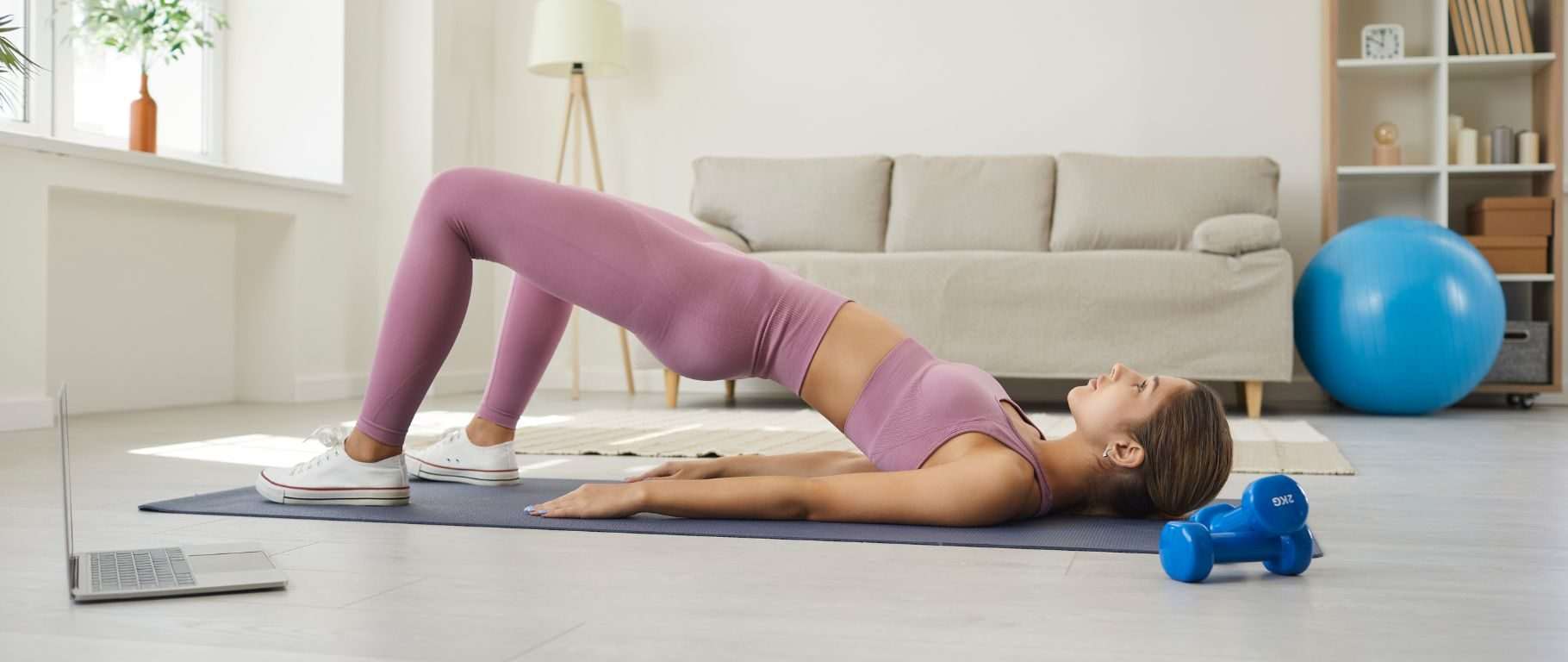
Postpartum recovery is often associated with baby care and emotional adjustments, but many women silently struggle with physical symptoms that affect their quality of life. From pelvic pain to incontinence and muscle weakness, postpartum pelvic health issues are commonbut they are not something women must accept as permanent. Physiotherapy provides a safe and effective path to recovery by addressing the root causes of pelvic floor dysfunction and restoring normal function.
Understanding Postpartum Pelvic Floor Challenges
During pregnancy and childbirth, the pelvic floor muscles endure significant strain. Whether a woman gives birth vaginally or by cesarean, the muscles, fascia, and joints of the pelvic area are affected. Vaginal deliveries may involve perineal tears, stretching, or episiotomies, while C-sections affect core and pelvic coordination due to abdominal incisions.
Common pelvic health issues after childbirth include:
Urinary or fecal incontinence
Pelvic organ prolapse
Pelvic girdle pain
Pain during intercourse
Abdominal separation (diastasis recti)
Core instability and poor posture
These symptoms are not unusual, but they should not be ignored. Addressing them early with pelvic health physiotherapy can lead to faster, more complete recovery.
The Role of Physiotherapy in Postpartum Recovery
Pelvic floor physiotherapy focuses on restoring strength, flexibility, and coordination in the pelvic muscles. Unlike generalized fitness programs, this therapeutic approach is tailored to the unique needs of postpartum women. A pelvic physiotherapist performs a thorough assessment to determine the extent of pelvic floor dysfunction and creates a customized treatment plan.
This plan may include:
Pelvic floor strengthening exercises
Breathing and core activation techniques
Manual therapy to relieve tension or scar tissue
Postural retraining and body mechanics
Progressive return to physical activity
These interventions not only relieve symptoms but also rebuild a strong foundation for long-term health.
Managing Incontinence and Bladder Control
Many new mothers experience leakage during physical activities, sneezing, or even when laughing. This type of urinary incontinence is usually the result of weak or uncoordinated pelvic muscles. Physiotherapists teach women how to activate and strengthen these muscles correctly, improving bladder control without relying on medication or surgical intervention.
Through techniques such as biofeedback and functional movement retraining, women learn how to integrate pelvic floor engagement into daily tasks like lifting, walking, or bending.
Addressing Pelvic Pain and Discomfort
Persistent pelvic pain after childbirth can stem from muscle tension, joint misalignment, or nerve sensitivity. Pain during intercourse, for instance, is frequently caused by tight or overactive pelvic floor muscles. A physiotherapist can use internal and external techniques to release tension, improve muscle tone, and restore comfort during intimacy.
Additionally, education about pelvic positioning, hydration, and stress management is part of a comprehensive strategy for reducing pain and preventing its recurrence.
Restoring Core Stability and Reducing Diastasis Recti
The separation of abdominal muscles during pregnancy, known as diastasis recti, weakens core stability and impacts posture and pelvic control. This can lead to back pain, balance issues, and additional strain on the pelvic floor. Physiotherapists guide women through safe, progressive exercises that help the abdominal muscles reconnect and regain function.
Unlike general abdominal workouts that may worsen the separation, physiotherapy focuses on deep core activation and alignment to ensure safe healing.
Improving Postural Alignment and Movement
Carrying, nursing, and caring for a newborn often leads to poor posture and muscle compensation. This can result in back pain, hip tightness, and pelvic misalignment. Physiotherapy addresses these issues by correcting postural habits and improving movement patterns, which directly supports pelvic recovery.
By learning proper lifting techniques, ergonomic positions, and mobility exercises, mothers can protect their bodies and reduce unnecessary strain.
Emotional Benefits of Postpartum Physiotherapy
Pelvic floor dysfunction can affect mental health by triggering feelings of frustration, shame, or isolation. Physiotherapy offers a supportive, non-judgmental environment where women can discuss their symptoms openly. The knowledge that these issues are commonand treatablehelps reduce anxiety and restore confidence.
Rebuilding physical strength often leads to improved self-image, energy levels, and emotional resilience, all of which are essential in the postpartum period.
A Personalized Approach at YourFormSux (YFS)
At YFS, we specialize in postpartum pelvic physiotherapy designed to empower women in their recovery journey. Our individualized programs support healing at your pace, helping you overcome symptoms and return to the activities you lovewithout pain, embarrassment, or limitation.
Whether you gave birth weeks ago or years ago, its never too late to invest in your pelvic health. Physiotherapy can make a significant difference in how you feel, function, and move every day.

