Pain from everyday activities can be a common issue, particularly as we spend much of our time sitting, standing, bending, lifting, or performing repetitive movements. These tasks may seem harmless, but poor posture, incorrect techniques, or simply overdoing it can lead to discomfort or injury.

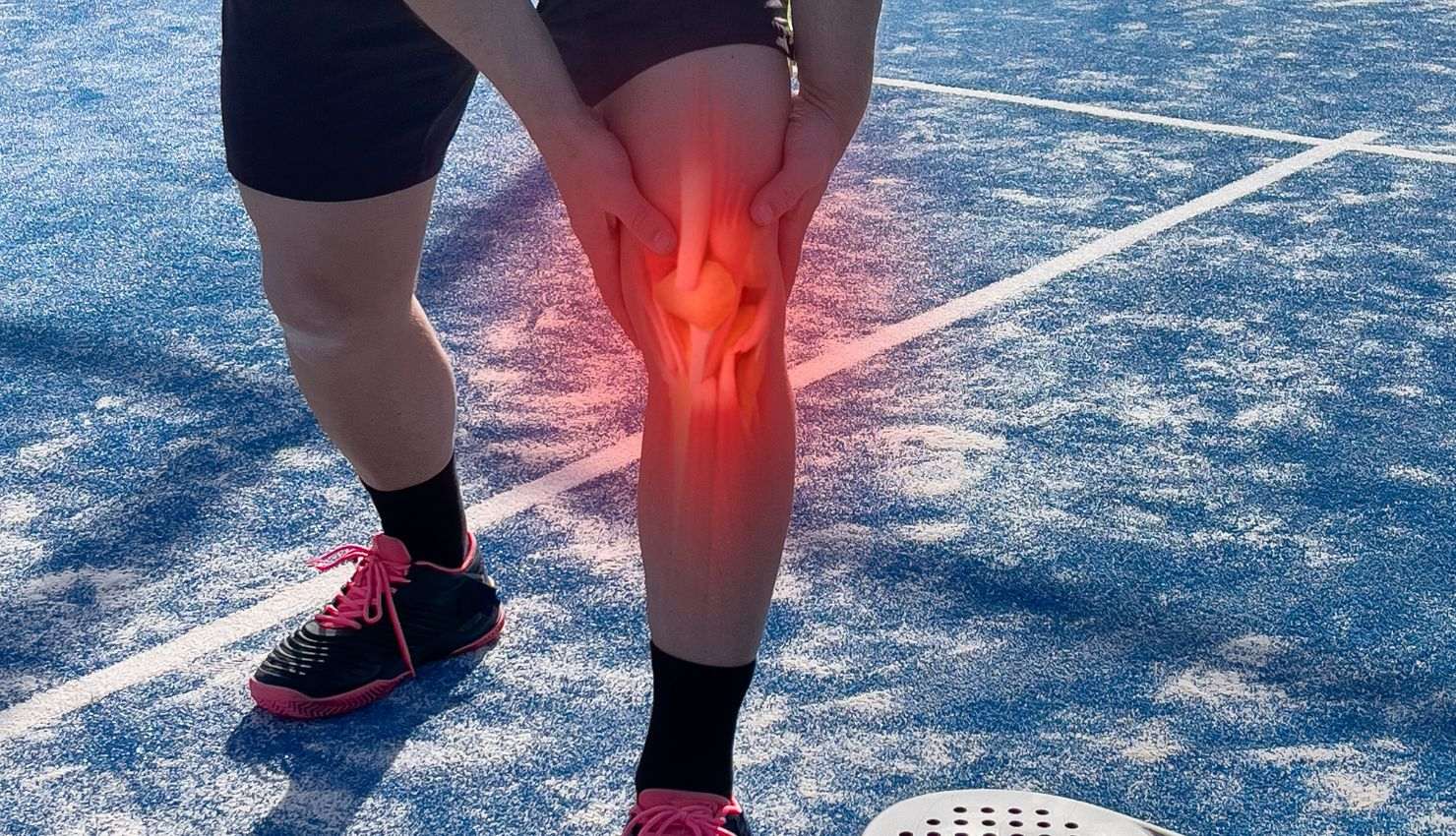
Pain from everyday activities can be a common issue, particularly as we spend much of our time sitting, standing, bending, lifting, or performing repetitive movements. These tasks may seem harmless, but poor posture, incorrect techniques, or simply overdoing it can lead to discomfort or injury. Fortunately, there are several ways to prevent and manage pain related to daily activities. Heres a comprehensive guide on how to avoid pain and discomfort while performing everyday tasks:
### **1. Improve Posture**
Good posture is essential for preventing pain, particularly in the back, neck, shoulders, and joints. Slouching or poor alignment can lead to muscle strain and long-term discomfort.
#### **How to Improve Posture:**
* **While Sitting**:
* Keep your feet flat on the floor with your knees at a 90-degree angle.
* Your back should be supported by your chair, with your shoulders relaxed and your head aligned with your spine.
* Keep your computer screen at eye level to avoid straining your neck.
* **While Standing**:
* Stand tall with your shoulders back and relaxed.
* Distribute your weight evenly on both feet and avoid locking your knees.
* Engage your core muscles to support your spine.
* **While Walking**:
* Keep your head up and shoulders relaxed.
* Maintain a straight line from your head down to your feet, and avoid slouching.
* Keep your arms slightly bent and move naturally as you walk.
### **2. Use Proper Lifting Techniques**
Lifting heavy objects improperly can cause strain on the back, shoulders, and legs, leading to pain and injury.
#### **How to Lift Properly:**
* **Bend at Your Hips and Knees**: Always squat down by bending your knees, not your back, to avoid strain on the spine.
* **Keep the Object Close**: Hold the object as close to your body as possible to reduce the strain on your back and shoulders.
* **Lift with Your Legs**: Use the strength of your legs to lift the object, rather than relying on your back.
* **Avoid Twisting**: When lifting, move your whole body rather than twisting your spine. Turn with your feet and hips, not just your upper body.
### **3. Take Frequent Breaks**
Many of us spend a significant amount of time sitting or standing in one position. Prolonged sitting or standing can lead to stiffness, muscle fatigue, and pain.
#### **How to Take Effective Breaks:**
* **Move Every 3060 Minutes**: Stand up, stretch, or walk around to keep your muscles engaged and your circulation flowing.
* **Stretch During Breaks**: Perform light stretches to relieve tension in areas that tend to get tight, such as the neck, back, and hips.
* **Change Positions**: If you’re working at a desk or standing for long periods, periodically change your position. Consider using a standing desk or an adjustable workstation.
### **4. Use Ergonomic Equipment**
Using equipment that is designed to support proper posture and reduce strain on the body can significantly help in preventing pain.
#### **Ergonomic Adjustments:**
* **Workstation Setup**:
* Make sure your desk, chair, and computer are adjusted to promote comfort and proper alignment.
* Keep your computer monitor at eye level to prevent neck strain.
* Ensure that your chair supports your lower back, and your feet can rest flat on the floor.
* **Ergonomic Tools**:
* Use tools like a keyboard or mouse that are designed to reduce strain on the wrist and fingers.
* Invest in an ergonomic chair with lumbar support to maintain good posture while sitting for extended periods.
### **5. Stay Active and Exercise Regularly**
Regular physical activity helps maintain muscle strength, flexibility, and joint mobility, which are essential for preventing pain and managing discomfort caused by everyday activities.
#### **Exercise Tips:**
* **Strengthening Exercises**: Focus on strengthening muscles that support key areas of the body, such as the core, lower back, legs, and shoulders. Stronger muscles are better equipped to handle the physical demands of daily life.
* **Stretching and Flexibility**: Incorporate stretches into your routine to keep muscles flexible and reduce tension. Stretching helps maintain range of motion and prevents tightness in areas like the hips, shoulders, and neck.
* **Low-Impact Activities**: Activities like swimming, walking, or cycling can improve cardiovascular health, flexibility, and muscle strength while being easy on the joints.
### **6. Maintain a Healthy Weight**
Carrying excess weight, especially around the abdomen, puts additional strain on the back, hips, and knees, which can lead to pain over time.
#### **How to Maintain a Healthy Weight:**
* **Balanced Diet**: Eating a balanced diet rich in fruits, vegetables, lean proteins, and healthy fats can help you maintain a healthy weight.
* **Regular Exercise**: Combining strength training and aerobic exercise helps with weight management while improving overall muscle strength and joint health.
* **Hydration**: Staying well-hydrated is essential for joint lubrication and overall bodily function.
### **7. Use Proper Footwear**
Your feet play a significant role in how your body moves, and wearing inappropriate footwear can lead to pain in the feet, knees, hips, and lower back.
#### **Footwear Tips:**
* **Supportive Shoes**: Choose shoes that provide adequate arch support, cushioning, and stability. Avoid shoes with high heels or inadequate support that may cause misalignment.
* **Orthotics**: If you have flat feet or other structural issues, custom orthotics (insoles) can provide added support and help improve posture.
### **8. Stay Mindful of Repetitive Movements**
Repetitive tasks, such as typing, lifting, or bending, can lead to overuse injuries, such as tendonitis, carpal tunnel syndrome, or back pain.
#### **How to Manage Repetitive Movements:**
* **Breaks and Alternating Tasks**: Change tasks regularly to avoid repetitive motions. When typing or using a mouse, alternate hands or positions if possible.
* **Stretch and Strengthen**: Regularly stretch and strengthen the muscles that are used in repetitive tasks. For example, stretching the wrists and shoulders can reduce strain from typing.
### **9. Address Pain Early**
If you start to feel discomfort during daily activities, its essential to address it before it becomes a chronic problem.
#### **Pain Management Tips:**
* **Rest and Recovery**: Give your body time to rest if youre experiencing pain from activity. Use ice or heat therapy to alleviate discomfort.
* **Consult a Physiotherapist**: If pain persists, a physiotherapist can help assess the root cause and provide targeted exercises, stretches, or manual therapy to relieve pain.
* **Over-the-counter Medications**: Nonsteroidal anti-inflammatory drugs (NSAIDs) like ibuprofen can help manage pain and inflammation for short-term relief, but should not be relied upon long-term without consulting a doctor.
### **10. Stress Management**
Stress can contribute to physical tension, leading to pain and discomfort, especially in the neck, shoulders, and back.
#### **How to Manage Stress:**
* **Relaxation Techniques**: Practice mindfulness, deep breathing, or meditation to help reduce muscle tension caused by stress.
* **Regular Movement**: Staying physically active can help reduce stress hormones and release endorphins, the bodys natural painkillers.
### **Conclusion**
Preventing and managing pain from everyday activities involves a combination of proper body mechanics, regular movement, ergonomic adjustments, and healthy habits. By focusing on posture, exercise, stress management, and using the right equipment, you can reduce the risk of pain and injury. However, if pain persists or becomes chronic, seeking help from a healthcare professional, such as a physiotherapist, can help identify and treat underlying issues to restore comfort and function.