Pregnancy is a time of profound physical transformation. Among the most impacted areas of the body is the pelvic floora network of muscles, ligaments, and connective tissues that supports the bladder, uterus, and bowel.

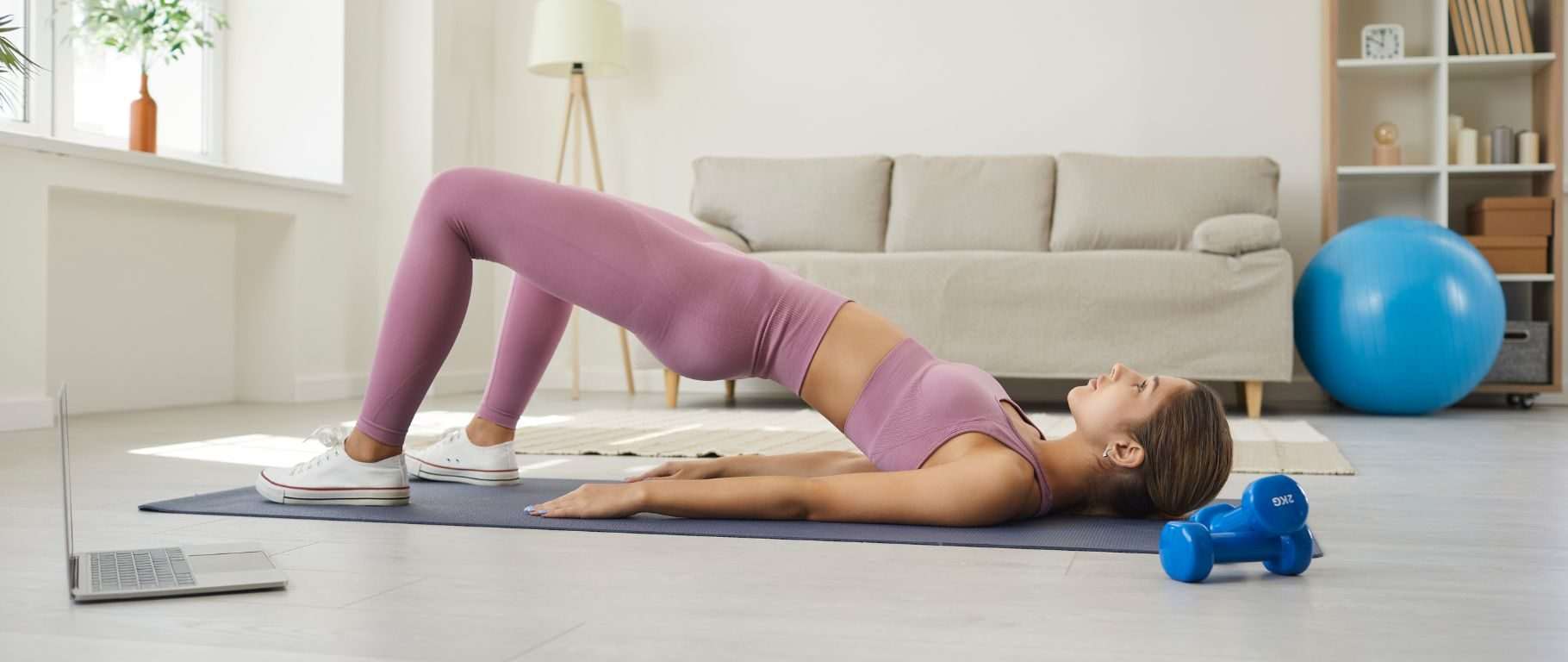
Pregnancy is a time of profound physical transformation. Among the most impacted areas of the body is the pelvic floora network of muscles, ligaments, and connective tissues that supports the bladder, uterus, and bowel. Many women experience pelvic floor dysfunction during or after pregnancy, which can lead to symptoms like urinary incontinence, pelvic pressure, pain during movement, and even prolapse. However, with the right approach, pelvic floor issues during pregnancy can be effectively prevented and managed through physiotherapy, education, and mindful daily habits.
This blog outlines evidence-based strategies for preventing pelvic floor issues during pregnancy, as well as proven management techniques that support better outcomes before and after childbirth.
Understanding the Pelvic Floor During Pregnancy
The pelvic floor works like a supportive sling that holds up your reproductive and urinary organs. During pregnancy, the extra weight of the growing uterus, combined with hormonal changesespecially the rise in relaxinplaces significant pressure on these muscles. This often leads to weakening, overstretching, or dysfunction.
Some of the most common pelvic floor symptoms pregnant women may experience include:
Leaking urine when coughing, sneezing, or laughing (stress incontinence)
Lower back or pelvic girdle pain
Sensation of heaviness or pressure in the pelvic area
Pain during intercourse
Difficulty emptying the bladder or bowels
These issues are not inevitable. Proactive pelvic floor care during pregnancy can make a significant difference in both symptom prevention and postnatal recovery.
Preventing Pelvic Floor Dysfunction During Pregnancy
Start Pelvic Floor Exercises Early
One of the most effective ways to strengthen the pelvic floor is through targeted exercises, commonly known as Kegels. Performing gentle pelvic floor contractions helps build resilience in these muscles, which can reduce the likelihood of urinary leakage and support easier labor.
Focus on Breathing and Core Integration
Many people unknowingly hold their breath while engaging their core or lifting. Learning how to coordinate diaphragmatic breathing with pelvic floor movements ensures that you’re not unintentionally bearing down on these muscles, which can cause weakness over time. This is especially crucial as intra-abdominal pressure increases with a growing baby.
Avoid Straining During Bowel Movements
Constipation is common in pregnancy, but straining can place harmful pressure on the pelvic floor. To reduce this risk, maintain a high-fiber diet, stay hydrated, and use proper toilet posture with knees slightly elevated to encourage natural elimination.
Be Mindful of Posture and Body Mechanics
As your center of gravity shifts, your posture naturally changes. However, slumping or overarching your lower back can overburden the pelvic floor. Practicing good posturestanding tall, aligning your ribs over your hips, and avoiding excessive anterior pelvic tilthelps distribute weight evenly and protects the pelvic structures.
Limit Heavy Lifting and High-Impact Activities
Lifting heavy objects or performing high-impact exercises can strain the pelvic floor. Instead, opt for low-impact movement like walking, swimming, or prenatal yoga, and learn safe lifting techniques if daily tasks require picking up older children or household items.
Managing Pelvic Floor Symptoms During Pregnancy
Even with preventative care, some pelvic floor symptoms may arise due to individual anatomy, previous childbirths, or hormonal changes. Fortunately, they can be managed effectively.
Seek a Pelvic Floor Physiotherapy Assessment
Consulting with a pelvic health physiotherapist during pregnancy is one of the most empowering choices you can make. They can assess your pelvic floor function, teach safe exercises, and guide you on managing symptoms like incontinence, prolapse sensations, or pelvic pain.
Incorporate Gentle Pelvic Floor Relaxation
While strengthening is important, it is equally crucial to ensure that pelvic floor muscles are not overly tense. Hypertonic (tight) pelvic floor muscles can lead to pain and interfere with birth. Techniques like perineal massage, hip openers, and guided breathing help promote relaxation and elasticity.
Use External Support Devices When Recommended
In some cases, a physiotherapist may recommend using a support belt or pelvic floor pessary during pregnancy to help offload pressure or provide internal support. These tools can reduce discomfort and improve daily function.
Adapt Your Exercise Routine
If symptoms appear, modifying your movement patterns can help prevent worsening. Avoid exercises that place pressure on the pelvic floor such as crunches, jump squats, or deep lunges. Choose alternatives that are designed for prenatal bodies and reviewed by a physiotherapist.
Mind the Signs That Need Immediate Attention
If you notice new symptoms like a bulging sensation in the vaginal area, pain that worsens with activity, or sudden urinary leakage, consult your healthcare provider or pelvic health therapist right away. Early intervention often results in better outcomes.
Preparing for Labor and Beyond
Pelvic floor care doesnt end at delivery. In fact, preparing your body for childbirth and postnatal healing begins in pregnancy. Key actions include:
Practicing perineal massage to improve tissue elasticity
Learning optimal birthing positions that reduce perineal strain
Understanding how to engage your core and pelvic floor during pushing
Planning for postpartum rehabilitation with a physiotherapist, ideally around six weeks after birth
Being informed about what your pelvic floor is experiencing during pregnancy allows you to take action with confidence. Whether youre looking to prevent discomfort or manage existing symptoms, a physiotherapy-guided approach can help maintain your quality of life throughout pregnancy and support smoother postpartum recovery.
Takeaway: Pregnancy Is the Right Time to Prioritize Pelvic Health
Pelvic floor health is an essential component of prenatal care. Preventing and managing pelvic floor issues during pregnancy doesnt require drastic changesit requires intentional, informed actions. With guidance from a pelvic health physiotherapist, pregnant individuals can protect their pelvic floor, reduce discomfort, and set the foundation for long-term wellness. Investing in your pelvic health today supports a stronger, more confident tomorrow.