A cesarean section (C-section) is a common surgical procedure to deliver a baby, but it can bring specific challenges related to pelvic health for new mothers. Understanding how to prevent and treat pelvic health issues after a C-section is crucial for long-term wellbeing.

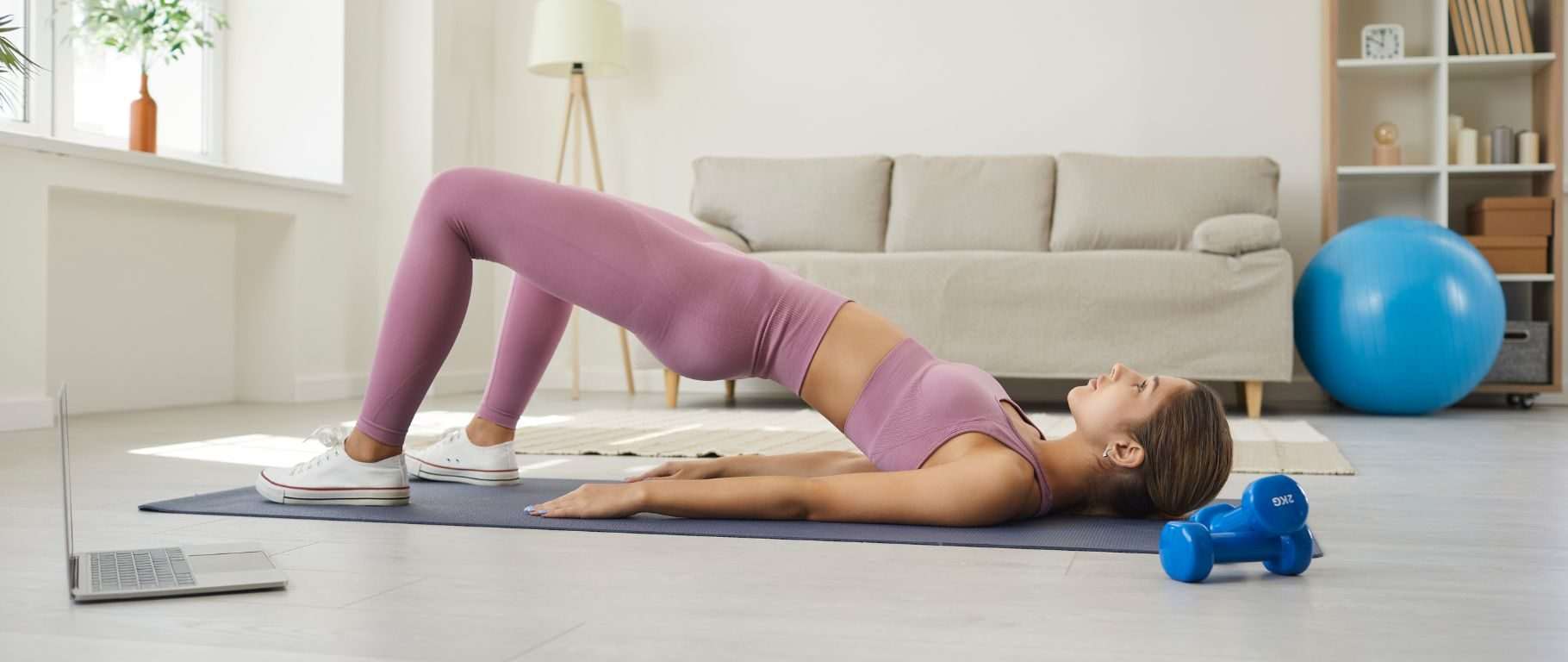
A cesarean section (C-section) is a common surgical procedure to deliver a baby, but it can bring specific challenges related to pelvic health for new mothers. Understanding how to prevent and treat pelvic health issues after a C-section is crucial for long-term wellbeing. Physiotherapy offers effective, non-invasive solutions that promote recovery and help women regain pelvic strength and function.
Understanding Pelvic Health After a C-Section
A C-section involves surgical incision through the abdominal wall and uterus, which can affect the muscles, connective tissues, and nerves in the pelvic region. Unlike vaginal birth, where pelvic floor muscles stretch and adapt gradually, a C-section bypasses this process, but still impacts core and pelvic stability due to surgery and recovery. Women may experience pelvic pain, weakness, urinary incontinence, or reduced core control after a C-section.
Common Pelvic Health Issues Post C-Section
Pelvic Floor Weakness: The pelvic floor muscles support bladder, bowel, and uterus. Surgery and immobility post-C-section can lead to muscle weakness, increasing risks of incontinence or prolapse.
Scar Tissue and Adhesions: Internal scarring may restrict tissue mobility, causing discomfort or pain in the pelvic and lower abdominal area.
Core Instability: The deep abdominal muscles work closely with the pelvic floor. Post-surgical trauma can weaken the core, affecting posture and pelvic alignment.
Lower Back and Pelvic Pain: Due to compensatory movements and muscle imbalances, women may develop pain or tension in these regions.
Preventing Pelvic Health Issues After a C-Section
Early Mobilization: Following your healthcare providers advice, gradually begin gentle movements and walking within days after surgery. Early movement helps reduce stiffness, promotes circulation, and supports pelvic recovery.
Pelvic Floor Awareness: While direct pelvic floor exercises are not recommended immediately post-surgery, gentle activation of the pelvic floor muscles can begin once healing permits. This awareness prevents excessive muscle weakening.
Scar Care: Managing the C-section scar through gentle massage and proper hygiene supports skin and tissue flexibility, reducing the formation of adhesions.
Posture and Alignment: Maintaining good posture during daily activities lessens stress on the pelvic region and supports healing. Ergonomic sitting and standing positions can prevent undue strain.
How Physiotherapy Helps Treat Pelvic Health Issues Post C-Section
Physiotherapists specializing in womens health assess and treat pelvic health concerns by designing personalized rehabilitation programs. Heres how physiotherapy aids recovery:
Pelvic Floor Rehabilitation: Guided exercises strengthen weakened pelvic floor muscles, improving bladder and bowel control.
Scar Tissue Management: Manual therapy techniques improve scar mobility and reduce adhesions, alleviating pain.
Core Strengthening: Targeted core exercises restore abdominal muscle function, supporting pelvic stability and posture.
Pain Relief: Physiotherapy uses modalities such as gentle mobilization and relaxation techniques to manage discomfort.
Education and Lifestyle Guidance: Physiotherapists provide advice on safe movement, lifting, and body mechanics to support healing.
When to Seek Physiotherapy Post C-Section
Its advisable to consult a pelvic health physiotherapist when experiencing:
Persistent pelvic or lower back pain beyond normal recovery time
Urinary or fecal leakage
Sensations of pelvic heaviness or bulging
Difficulty with core strength or daily functional activities
Early intervention can prevent chronic pelvic health problems and improve quality of life.
Key Takeaways
Preventing and treating pelvic health issues after a C-section requires awareness, gradual rehabilitation, and professional guidance. Womens health physiotherapy offers a safe, effective path to restoring pelvic floor strength, improving core stability, and managing pain after surgery. At YourFormSux in Canada, specialized physiotherapy services empower women to regain confidence and pelvic health post C-section.