Pelvic pain is a complex and often misunderstood condition that affects many women at different stages of life. It can be chronic or acute, localized or widespread, and may interfere with daily activities, physical function, and emotional well-being.

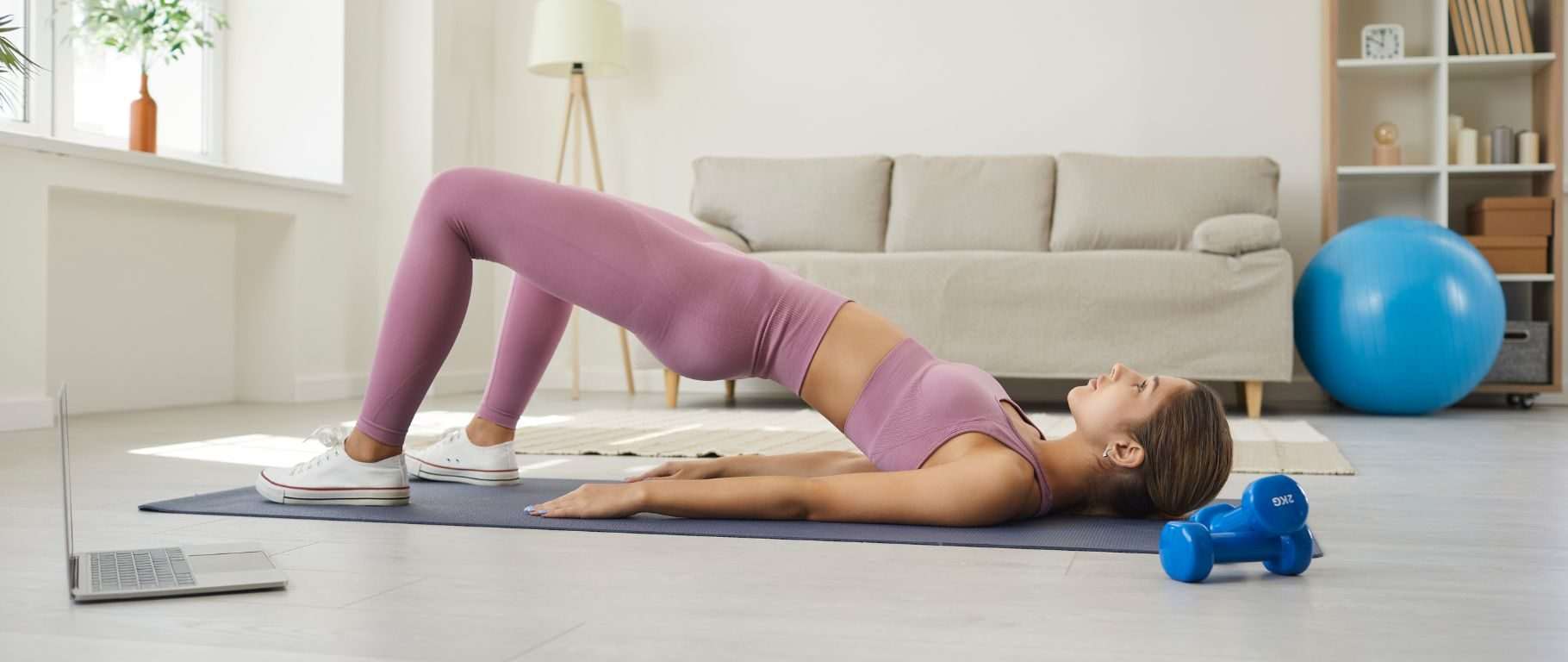
Pelvic pain is a complex and often misunderstood condition that affects many women at different stages of life. It can be chronic or acute, localized or widespread, and may interfere with daily activities, physical function, and emotional well-being. Whether the pain is related to menstruation, posture, injury, or underlying pelvic floor dysfunction, physiotherapy is a proven, effective way to manage and relieve pelvic pain through targeted, non-invasive treatment.
Understanding Pelvic Pain
Pelvic pain refers to discomfort felt in the lower abdomen, hips, buttocks, lower back, or vaginal area. It can arise from muscles, joints, ligaments, nerves, or organs in the pelvic region. Unlike menstrual cramps, pelvic pain is often persistent and can worsen with certain movements, postures, or stress.
Some common symptoms include:
Dull, sharp, or burning sensations in the pelvis
Pain during sex, urination, or bowel movements
Discomfort when sitting or standing for long periods
Lower abdominal or lower back pain that doesnt improve with rest
Feeling of tightness, pressure, or muscle fatigue in the pelvic area
Pelvic pain is not a normal part of life. It may be related to pelvic floor dysfunction, overactive muscles, poor posture, past injuries, or even stress and emotional trauma.
Causes of Pelvic Pain in Women
Pelvic pain can stem from a variety of structural and functional sources. Some of the most common causes include:
Pelvic floor muscle tension or weakness
Scar tissue from surgeries or childbirth
Endometriosis or painful periods
Interstitial cystitis or bladder dysfunction
Digestive issues such as irritable bowel syndrome (IBS)
Hormonal changes during menopause or pregnancy
Nerve compression or inflammation
Poor alignment of the spine, hips, or pelvis
Since the pelvic floor is deeply connected to posture, movement, and organ function, even small imbalances can cause significant discomfort over time.
How Physiotherapy Helps Prevent and Treat Pelvic Pain
At YourFormSux, pelvic floor physiotherapists use a holistic, science-based approach to assess and treat the root cause of pelvic pain. Rather than masking symptoms, physiotherapy addresses the underlying musculoskeletal, neuromuscular, and biomechanical issues that contribute to pain.
Heres how physiotherapy helps:
1. Comprehensive Assessment: Your physiotherapist will evaluate your pelvic alignment, posture, core stability, and pelvic floor muscle function. This may include external and internal assessments (with your consent) to identify muscle tightness, weakness, or trigger points.
2. Pain Education: Understanding how pain works is the first step to managing it. Your therapist will explain the relationship between your nervous system, muscles, and pain patterns to help reduce fear and anxiety related to your symptoms.
3. Manual Therapy: Gentle hands-on techniques are used to release tight muscles, mobilize joints, reduce scar tissue tension, and improve blood flow to the area.
4. Pelvic Floor Rehabilitation: If your pelvic pain is related to overactive or underactive pelvic floor muscles, your therapist will guide you through customized exercises, stretching, and breathing techniques to restore proper function.
5. Postural and Movement Training: Improving how you move, sit, and stand throughout the day can significantly reduce pelvic tension. Your therapist will help you develop strong core mechanics and ergonomic awareness.
6. Home Program and Support: Youll receive a personalized home program of exercises and self-care strategies that support your recovery and reduce the likelihood of future flare-ups.
Preventive Strategies for Pelvic Pain
Even if youre not currently experiencing pelvic pain, building habits that support pelvic health can reduce your risk in the future. Preventive physiotherapy empowers you to maintain muscle balance, mobility, and resilience.
Preventive strategies include:
Practicing diaphragmatic breathing to reduce pelvic tension
Keeping your pelvic floor muscles both strong and flexible
Maintaining good posture, especially when sitting for long periods
Engaging in regular low-impact movement like walking or swimming
Avoiding heavy lifting without proper core engagement
Addressing chronic constipation or bladder issues early
Managing stress and emotional tension, which can manifest in the pelvic area
Physiotherapy offers a proactive path to long-term pelvic wellness.
Who Should Seek Physiotherapy for Pelvic Pain?
You should consider pelvic floor physiotherapy if you:
Experience recurring or chronic pelvic discomfort
Feel tension or pain in your lower back, hips, or pelvic region
Have a history of painful periods, endometriosis, or bladder pain
Struggle with pain during intimacy or gynecological exams
Sit for long hours and notice growing tension in your lower body
Want to improve core and pelvic health before or after pregnancy
Have experienced trauma, injury, or surgery in the pelvic area
Pelvic pain doesnt have to be your normal. Physiotherapy provides an empowering and sustainable way to restore comfort and improve quality of life.
Final Thoughts
Pelvic pain is real, but so is the hope for relief. With expert care from a trained pelvic floor physiotherapist at YourFormSux, you can uncover the source of your pain and begin a personalized recovery plan. Whether you’re dealing with chronic discomfort or looking to prevent future issues, physiotherapy offers tools, education, and hands-on support to help you move forward with less pain and more confidence. You deserve to live without the burden of pelvic painand with the right care, you can.