Ouch! That nagging pain along the front of your lower leg? Yep, thats likely a case of shin splintsa common complaint, especially among runners, dancers, and anyone whos ramped up their activity too quickly. But the good news? Physiotherapy can help you both prevent and treat shin splints effectivelyand get you back on your feet …

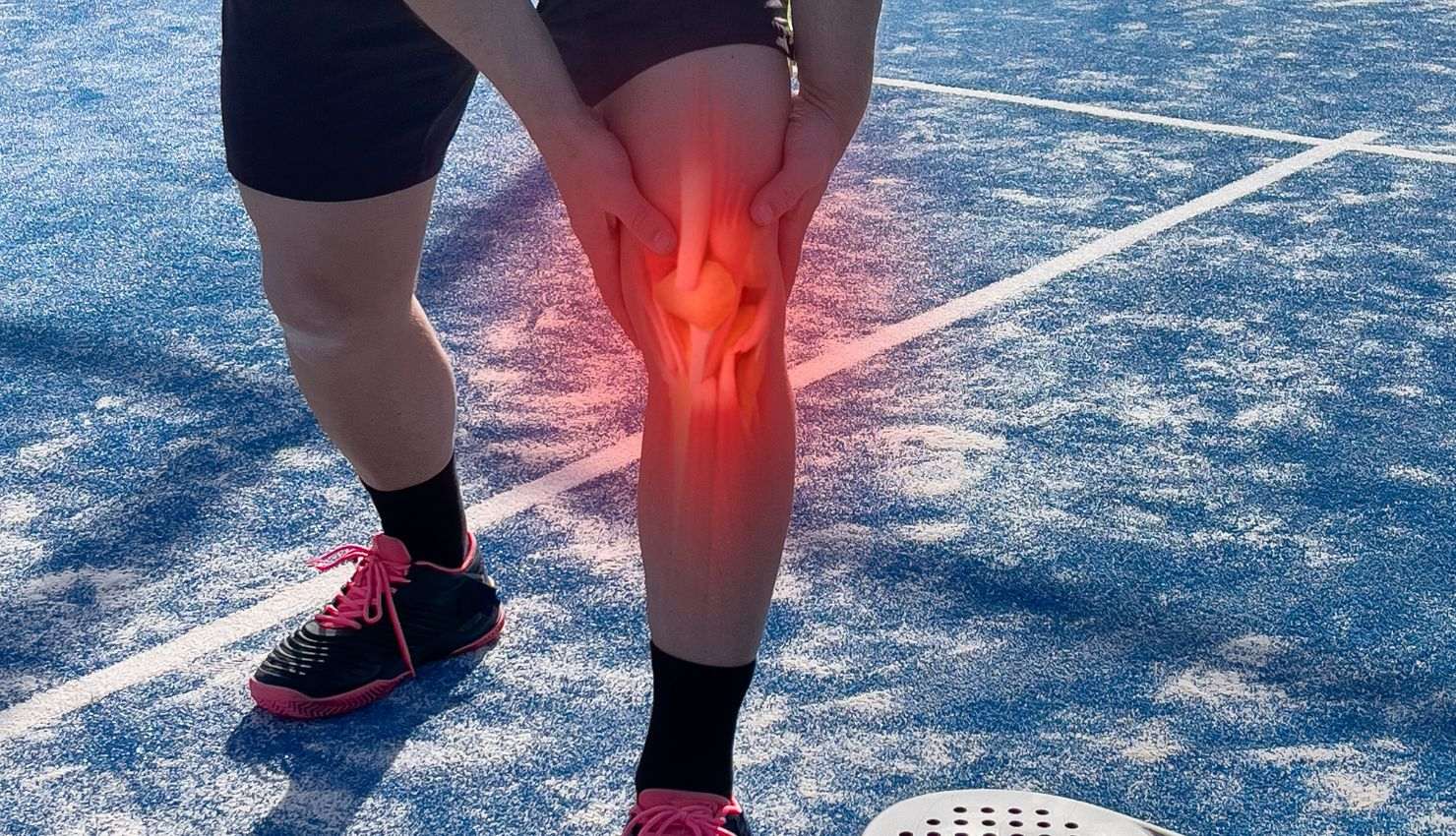
Ouch! That nagging pain along the front of your lower leg? Yep, thats likely a case of shin splintsa common complaint, especially among runners, dancers, and anyone whos ramped up their activity too quickly. But the good news? Physiotherapy can help you both prevent and treat shin splints effectivelyand get you back on your feet (literally) without that dreaded pain.
So, What Exactly Are Shin Splints?
Lets break it down. Shin splintstechnically called medial tibial stress syndromeare caused by inflammation of the muscles, tendons, and bone tissue around your tibia (that big bone in your lower leg). This condition usually results from repetitive stressthink running on hard surfaces, poor footwear, or suddenly increasing your workout intensity.
Youll typically feel a dull, aching pain in the front or inner part of your lower leg. Left untreated, it can worsen and lead to more serious injuries like stress fractures.
Why Physiotherapy is Your Best Friend for Shin Splints
While rest and ice can help in the short term, physiotherapy addresses the root causes of shin splints and helps prevent them from coming back. Heres how:
1. Assessment & Diagnosis
A physiotherapist will first evaluate your gait, posture, and biomechanics to see whats really going on. Sometimes the issue isnt just in your legsit could be poor foot alignment, weak hips, or tight calves.
2. Stretching Tight Muscles
Shin splints often go hand-in-hand with tight calf muscles and Achilles tendons. Your physio will guide you through gentle, targeted stretches to loosen things up and improve flexibility.
Common stretches include:
Calf stretches against the wall
Seated toe stretches
Foam rolling for the lower leg
3. Strengthening Weak Areas
Muscle imbalances are a big culprit. Your physio will help you strengthen the muscles in your lower legs, feet, and core to support proper movement.
Some go-to strengthening moves:
Toe raises
Resistance band foot exercises
Single-leg balance drills
4. Manual Therapy
Hands-on treatments like soft tissue massage, myofascial release, and dry needling can ease pain and reduce tension in the affected area.
5. Gait Re-training & Footwear Advice
Running or walking with improper technique? Your physio will help correct your movement patterns. They can also advise on the right shoes or custom orthotics if needed.
Preventing Shin Splints: Top Tips from Physiotherapists
Heres how to keep shin splints at bay for good:
Dont do too much too soon Gradually increase your training intensity and duration.
Warm up properly Dynamic stretches before your workout can do wonders.
Mix it up Alternate high-impact workouts (like running) with low-impact ones (like swimming or cycling).
Invest in good shoes Replace worn-out footwear and choose shoes that support your foot type.
Listen to your body If your legs are screaming for a rest day, take it!
When to See a Physiotherapist
If shin pain is persistent, worsening, or interfering with your daily activities, dont just push through. A physiotherapist can create a personalized recovery plan and get you back to doing what you lovepain-free.
Final Thoughts
Shin splints can be a real pain (literally!), but with the right physiotherapy approach, you can recover faster, move better, and prevent them from returning. Whether you’re an athlete, a weekend warrior, or just someone who walks a lot, physiotherapy is your go-to solution for long-term relief.
Got shin pain? Dont waitbook a physiotherapy appointment today and give your legs the TLC they deserve.