Set Up an Ergonomic Workstation Poor wrist positioning is one of the biggest risk factors for CTS.

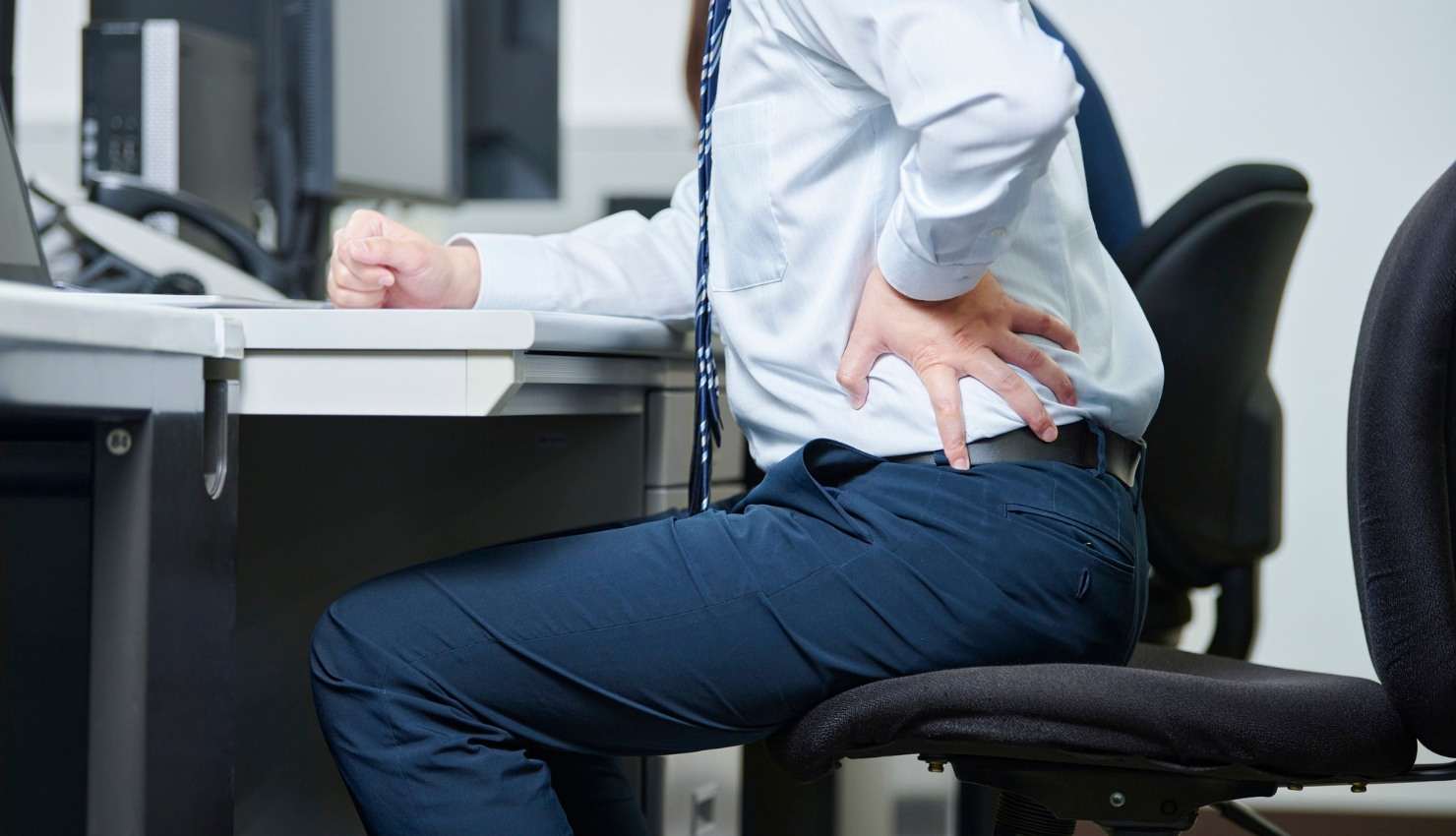
Set Up an Ergonomic Workstation
Poor wrist positioning is one of the biggest risk factors for CTS.
? Follow these tips:
Keyboard and mouse at elbow height
Wrists straight and flat not bent upward or downward
Keep your forearms parallel to the floor
Use a negative tilt keyboard tray if available
Avoid resting wrists on the edge of the desk use a padded wrist rest
?? Your hands should float naturally over the keyboard, not press down or stretch.
??? 2. Use the Right Equipment
Small upgrades can make a big difference for hand and wrist health.
?? Consider:
Split or ergonomic keyboards to reduce wrist strain
Vertical or trackball mouse for a more natural hand position
Keyboard shortcuts to reduce repetitive mouse clicks
Voice typing software to minimize typing altogether
?? Some people benefit from wrist braces especially if symptoms are starting.
????? 3. Take Frequent Microbreaks
The longer you type without breaks, the more likely nerves and tendons become irritated.
?? Every 3045 minutes:
Shake out your hands and arms
Do a few shoulder rolls and wrist circles
Rest your hands flat on your lap, palm-up, for 30 seconds
Gently stretch fingers and wrists (see below)
?? Use a reminder app or timer to help build this into your routine.
?? 4. Practice Neutral Wrist Posture
Your wrist should remain in a neutral, relaxed position while typing or mousing.
?? Avoid:
Bending wrists upward (extension)
Bending wrists downward (flexion)
Tilting wrists side-to-side
Holding static tension in your hands
? Do:
Keep your elbows close to your body
Lightly touch keys avoid forceful tapping
Use arm movement, not wrist-only motion, for the mouse
?? 5. Stretch and Strengthen Your Hands and Forearms
Regular mobility and strength work reduces inflammation and improves circulation.
?? Try these simple exercises:
Wrist flexor stretch
Extend one arm, palm up; use the opposite hand to gently pull fingers down.
Wrist extensor stretch
Extend one arm, palm down; gently pull fingers toward your body.
Median nerve glides
Slowly move your arm from a bent elbow to a straight position with an open palm like a slow-motion high-five.
Grip strengthening
Use a soft ball or therapy putty to gently squeeze and release.
?? Aim to stretch 23 times a day, especially before and after long work periods.
?? 6. Pay Attention to Symptoms Early
Dont ignore early warning signs like:
Tingling or numbness in the fingers
Wrist pain that worsens at night
Difficulty gripping objects or dropping things
?? Catch it early and take action physiotherapy, braces, and rest can often reverse symptoms if caught in time.