Pelvic floor problems during and after pregnancy are more common than most women realize. From urinary incontinence to pelvic organ prolapse, the changes that happen in the body due to pregnancy, labour, and delivery can place immense pressure on the pelvic floor muscles.

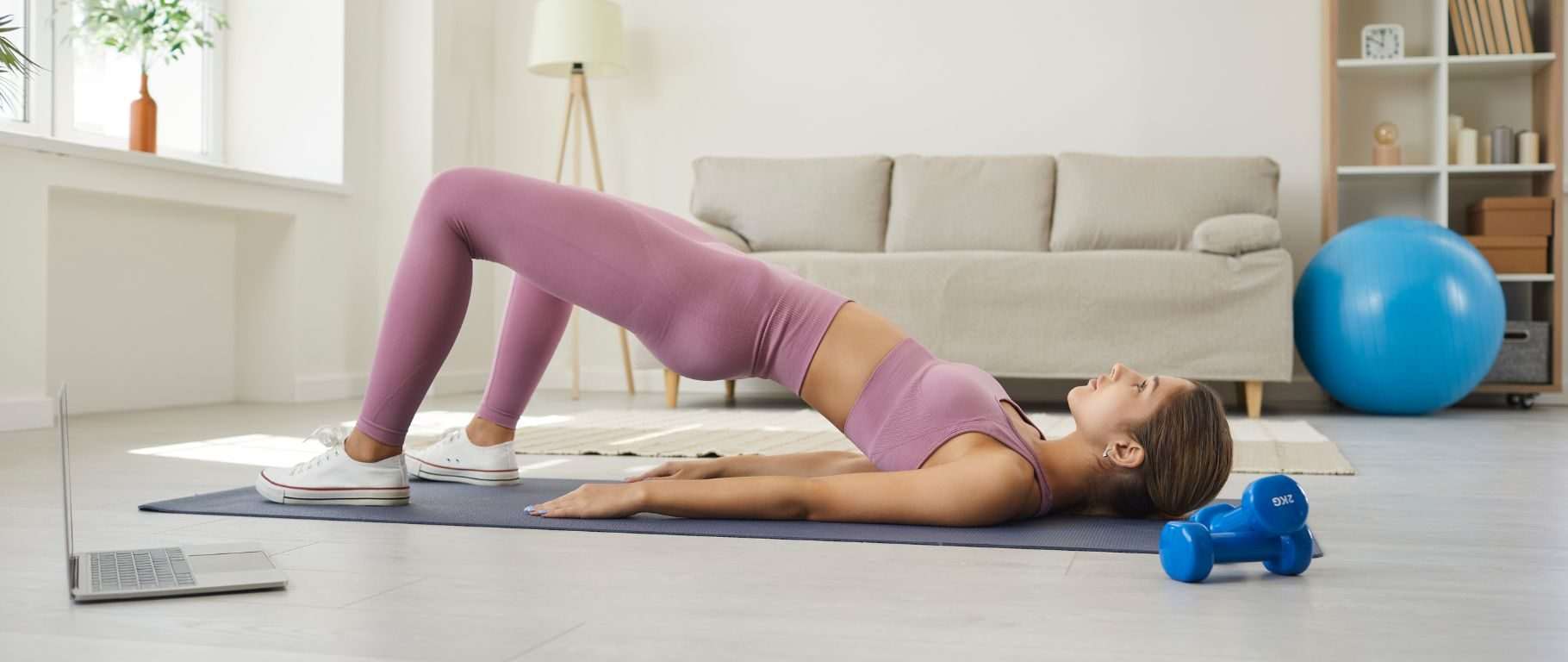
Pelvic floor problems during and after pregnancy are more common than most women realize. From urinary incontinence to pelvic organ prolapse, the changes that happen in the body due to pregnancy, labour, and delivery can place immense pressure on the pelvic floor muscles. However, with proper physiotherapy support and awareness, women can take control of their pelvic health and prevent long-term complications.
This blog offers practical guidance on how to protect and strengthen your pelvic floor during and after pregnancy using physiotherapy techniques designed for long-term results.
Understanding the Pelvic Floor During Pregnancy
The pelvic floor is a group of muscles and connective tissues that form a supportive sling at the base of the pelvis. These muscles support the uterus, bladder, and bowel. During pregnancy, hormonal changes such as increased relaxin soften connective tissues, and the growing baby adds pressure to the pelvic region. These factors increase the risk of pelvic floor dysfunction.
Some common pelvic floor issues during pregnancy include:
Leaking urine when coughing or sneezing
Difficulty controlling bowel movements
Heaviness or pressure in the pelvic area
Pain during intercourse
Being proactive about pelvic floor health during this time is essential to avoid lasting complications postpartum.
The Benefits of Physiotherapy for Pregnancy-Related Pelvic Health
Pelvic health physiotherapy is a specialized approach that helps women prepare for the physical demands of pregnancy and childbirth. A pelvic floor physiotherapist can assess your muscle strength, breathing patterns, posture, and core stability to create a tailored treatment plan.
Key benefits include:
Preventing urinary incontinence and prolapse
Improving posture and spinal alignment
Reducing pelvic and lower back pain
Supporting optimal muscle coordination for delivery
Promoting faster postpartum recovery
Strategies to Protect the Pelvic Floor During Pregnancy
Breath Awareness and Diaphragmatic Breathing: Deep, diaphragmatic breathing helps relax the pelvic floor and reduces tension. Learning how to coordinate breath with pelvic floor movement improves muscle control and prepares the body for labour.
Pelvic Floor Muscle Training (PFMT): Also known as Kegels, these exercises strengthen the muscles responsible for continence and core stability. However, proper technique is criticalphysiotherapists can guide you to avoid overactivation, which is just as problematic as weakness.
Postural Correction: Pregnancy shifts the bodys center of gravity, affecting posture. Physiotherapists teach techniques to reduce strain on the pelvic region through gentle exercises and body awareness.
Supportive Exercise Programs: Low-impact physical activity like prenatal yoga, Pilates, or swimming, customized by a physiotherapist, can maintain strength without stressing the pelvic floor.
What to Expect After Birth
After childbirth, pelvic floor muscles may be stretched, bruised, or torn. Regardless of delivery typevaginal or C-sectionmost women benefit from a pelvic health physiotherapy assessment.
Signs that you may need postpartum physiotherapy include:
Continued urine leakage or urgency
Pain during intercourse
Lower back or pelvic pain
Feeling of pelvic heaviness
Trouble returning to exercise routines
A physiotherapist will assess how your muscles have recovered and help rebuild strength and function through targeted therapies.
Physiotherapy for Long-Term Recovery and Prevention
Postpartum physiotherapy is not just about symptom managementits also preventative. By focusing on recovery early, women can avoid long-term dysfunction such as pelvic organ prolapse or chronic pain.
Some effective interventions include:
Gentle muscle re-education
Scar tissue mobilization (after C-section or perineal tears)
Gradual return-to-exercise plans
Core and pelvic stability exercises
Biofeedback and manual therapy for neuromuscular retraining
Final Thoughts
Preventing pelvic floor problems during pregnancy and after childbirth is entirely possible with the right support. Physiotherapy offers a holistic, proactive approach that empowers women to care for their changing bodies. If youre expecting or recently gave birth, dont wait for symptoms to appearschedule a pelvic floor physiotherapy consultation early in your journey.
By working with a physiotherapist who understands the complexities of womens pelvic health, you can maintain strength, improve function, and reduce the risk of long-term complications for a healthier, more confident motherhood experience.