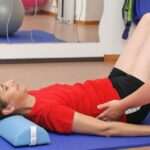
Athletes are often celebrated for their strength, coordination, and physical resiliencebut under the surface, even high-performing bodies c…


Athletes are often celebrated for their strength, coordination, and physical resiliencebut under the surface, even high-performing bodies can harbor subtle imbalances that lead to chronic pain, reduced performance, or injury. One of the most common yet frequently overlooked issues is postural asymmetry. This occurs when the body consistently favors one side over the other, leading to uneven muscle development, joint strain, and altered biomechanics. For women, especially those involved in repetitive training cycles or returning to sport postpartum, these asymmetries can also disrupt pelvic alignment and core stability.
At YourFormSux (YFS), we take a proactive, physiotherapy-informed approach to preventing postural asymmetries in athletes. Whether you’re a runner, dancer, lifter, or recreational athlete, learning how to identify and correct these imbalances is essential for long-term performance and injury prevention.
Understanding Postural Asymmetries
Postural asymmetry refers to imbalances in the alignment of the spine, pelvis, shoulders, or limbs that create a dominant side and a compensating side. These imbalances can show up as:
One shoulder or hip higher than the other
A forward-rotated pelvis on one side
Uneven foot pressure or gait mechanics
Asymmetrical muscle tone, especially in the core and glutes
In sport, these issues often stem from repetitive motion (such as throwing or kicking), unilateral dominance (such as always leading with the same leg), or unaddressed strength and mobility differences between the left and right sides.
Why Athletes Are at Risk
While athletic training builds strength and endurance, it can also reinforce dysfunctional movement patterns if not carefully monitored. Without proper corrective work, postural asymmetries can lead to:
Overuse injuries (such as stress fractures or tendonitis)
Reduced force output during performance
Decreased joint range of motion and stability
Compensatory pain in the neck, back, knees, or pelvis
For female athletes, poor pelvic alignment combined with postural asymmetry can also affect the function of the pelvic floor, contributing to symptoms like urinary leakage during activity or core instability.
Prevention Starts With Awareness
The first step to preventing postural asymmetries is developing awarenessof how you move, how you recover, and where your body tends to compensate. At YourFormSux, physiotherapists begin with a full-body postural and movement assessment to spot early signs of asymmetry and create a personalized plan for correction.
Key evaluation tools include:
Gait analysis: Identifies asymmetrical loading during walking or running
Functional movement screens: Assess how the body moves under load or through sport-specific patterns
Pelvic alignment checks: Evaluates anterior/posterior or rotational imbalances in the pelvis
Core activation testing: Determines whether both sides of the deep core are firing equally
Movement Strategies to Maintain Symmetry
Once asymmetries are identified, targeted interventions can help prevent them from progressing. These movement strategies are not only correctivetheyre performance-enhancing.
1. Bilateral strength training:
Incorporate exercises that load both sides of the body equallysuch as squats, deadlifts, and planks. Focus on form over weight to ensure both sides are contributing equally.
2. Unilateral control drills:
Single-leg and single-arm exercises reveal asymmetries and help correct them. Step-ups, single-leg Romanian deadlifts, and one-arm carries improve stability and coordination on each side independently.
3. Core symmetry work:
Train the obliques and deep core muscles evenly to prevent rotation or shifting of the trunk during dynamic movement. Exercises like bird dogs, side planks, and Pallof presses enhance core integrity.
4. Mobility and stretching routines:
Tightness on one side often leads to compensation on the other. Ensure equal flexibility in the hips, shoulders, and spine with targeted mobility work to reduce risk of postural tilt or rotation.
5. Sport-specific retraining:
For athletes who repeat movements on one side (like tennis players or soccer kickers), balanced training involves practicing skills on the non-dominant side to reduce habitual strain.
The Role of Recovery in Symmetry
Recovery habits can either reinforce or correct postural imbalances. Poor sleep posture, uneven sitting habits, and ineffective warm-ups can all contribute to asymmetry over time.
Best practices for recovery include:
Active recovery days that include mobility drills and light symmetrical movements
Postural awareness during sittingespecially important for athletes who study or work long hours
Manual therapy and soft tissue work from a physiotherapist to release asymmetrical tension
Dynamic warm-ups and cool-downs that prepare both sides of the body equally
Addressing Postural Asymmetry in Female Athletes
Womens bodies, particularly postpartum or those with pelvic floor concerns, are more vulnerable to asymmetry in the pelvis and spine due to hormonal influences, ligament laxity, and core instability.
For these athletes, physiotherapy can integrate pelvic floor retraining with posture correction. Interventions may include:
Realigning the pelvis through manual therapy and corrective exercise
Re-establishing diaphragmatic breathing to coordinate core and pelvic floor engagement
Restoring balance in hip and glute strength to support upright posture and even loading
Custom exercise programs to reintegrate the athlete safely back into sport or training
Build Symmetry. Build Performance.
Postural asymmetry may be subtle, but its impact on athletic performance and injury risk is significant. Preventing these imbalances isnt about achieving perfectionits about improving how your body moves, functions, and recovers across all levels of training.
At YourFormSux, we specialize in posture-focused physiotherapy for women who want to move better, train smarter, and protect their long-term health. Whether you’re a competitive athlete, a recreational runner, or returning to movement postpartum, were here to support your journey with assessments, corrective strategies, and a plan built around you.