Poor posture is one of the most common causes of neck pain, back discomfort, and fatigue among remote workers. Without a properly set-up workspace and movement routine, even short days at your desk can lead to long-term strain on your spine, muscles, and joints.

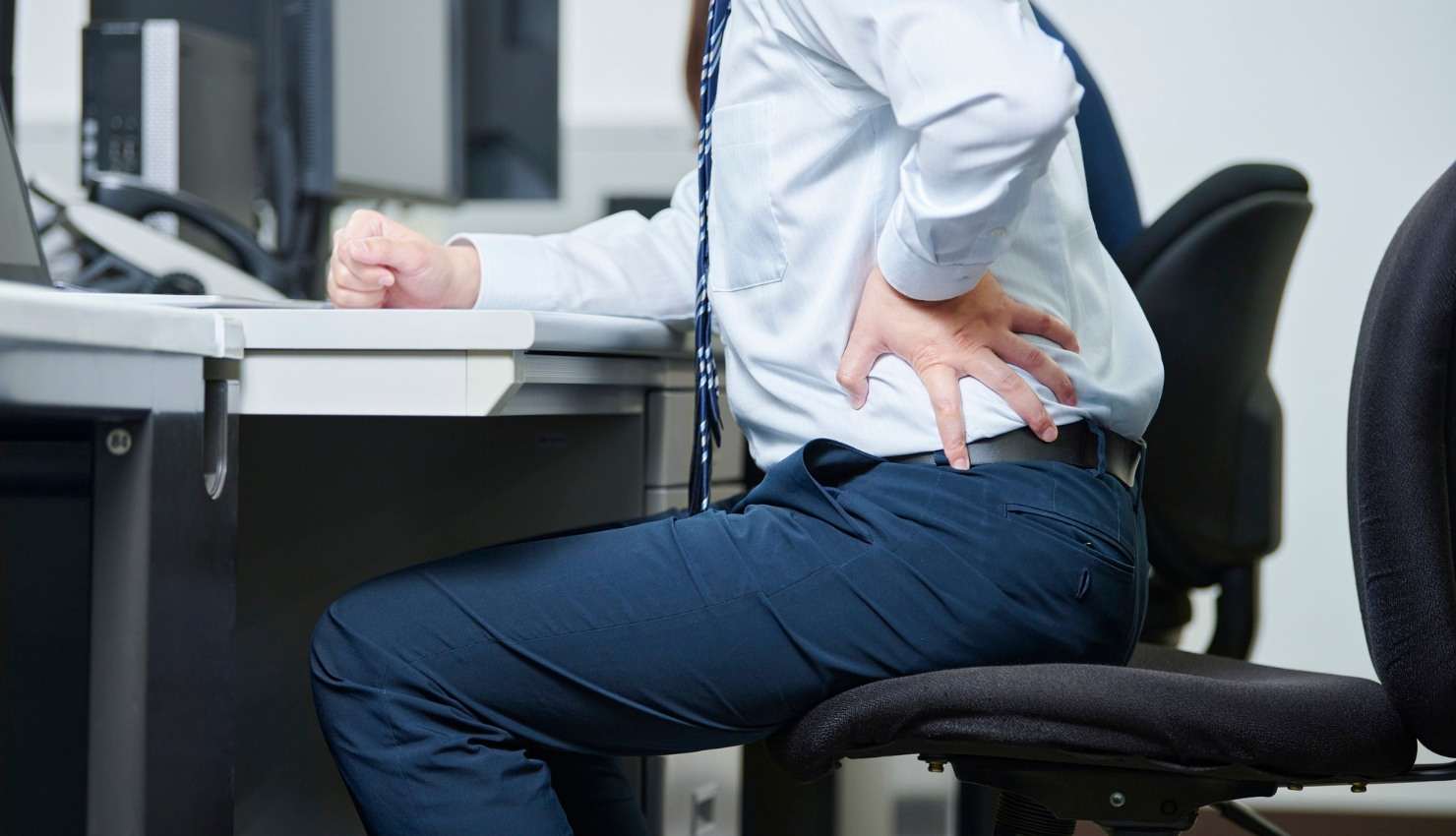
Poor posture is one of the most common causes of neck pain, back discomfort, and fatigue among remote workers. Without a properly set-up workspace and movement routine, even short days at your desk can lead to long-term strain on your spine, muscles, and joints.
Heres how to prevent posture problems and maintain a healthier body while working from home.
?? 1. Build a Posture-Friendly Workspace
Your body adapts to your environment. Make sure your workspace supports good alignment.
?? Ergonomic setup checklist:
Chair: Supports lumbar curve, hips slightly above knees
Feet: Flat on the floor or a footrest
Desk height: Elbows at 90°, wrists straight
Monitor: Eye level, directly in front of you
Keyboard & mouse: Close enough to avoid reaching forward
?? Avoid working on the couch or bed long-term they destroy posture.
?? 2. Practice Active Sitting
Even with the best chair, slouching still happens. Be mindful of your posture throughout the day.
Try this seated posture reset:
Sit tall with your ears over shoulders and shoulders over hips
Slightly engage your core to support your spine
Relax your shoulders down and back
Keep your chin slightly tucked, not forward
?? Do a posture check every hour to prevent slumping.
?? 3. Move Every 3060 Minutes
Sitting too long weakens postural muscles and stiffens joints.
Set a reminder to:
Stand up and stretch
Walk around for 12 minutes
Try a micro-movement routine at your desk
Do shoulder rolls and neck mobility exercises
?? Consistent movement is the best posture reset.
?? 4. Strengthen Posture Support Muscles
Building strength helps you maintain upright alignment effortlessly.
Try 23x/week:
Wall angels (upper back activation)
Planks (core stability)
Bird-dogs (spinal control)
Glute bridges (hip support)
??? Better strength = less slouching and spinal strain.
?? 5. Stretch the Muscles That Pull You Out of Alignment
Tight muscles (like chest, hips, and hamstrings) often cause posture collapse.
Daily stretches:
Chest opener (doorway stretch)
Hip flexor stretch (from sitting)
Neck stretches (side and forward)
Hamstring stretch (for lumbar spine relief)
?? Stretching restores balance and ease of movement.
?? 6. Use Posture Support Tools if Needed
If your home setup is limited, small changes make a big difference.
Helpful tools:
Lumbar roll or cushion
Laptop stand or monitor riser
External keyboard/mouse to prevent hunching
Anti-fatigue mat if using a standing desk
?? You dont need a fancy office just smart accessories.
?? 7. Watch for Signs of Postural Stress
Your body will often signal problems before they become serious.
Red flags:
Frequent slouching or leaning
Tension headaches or neck stiffness
Back pain or tightness
Rounded shoulders or forward head posture
Fatigue from sitting
?? If these persist, check in with a physiotherapist for posture training.