Create an Ergonomic Seating Setup Your body is only as healthy as your chair allows.

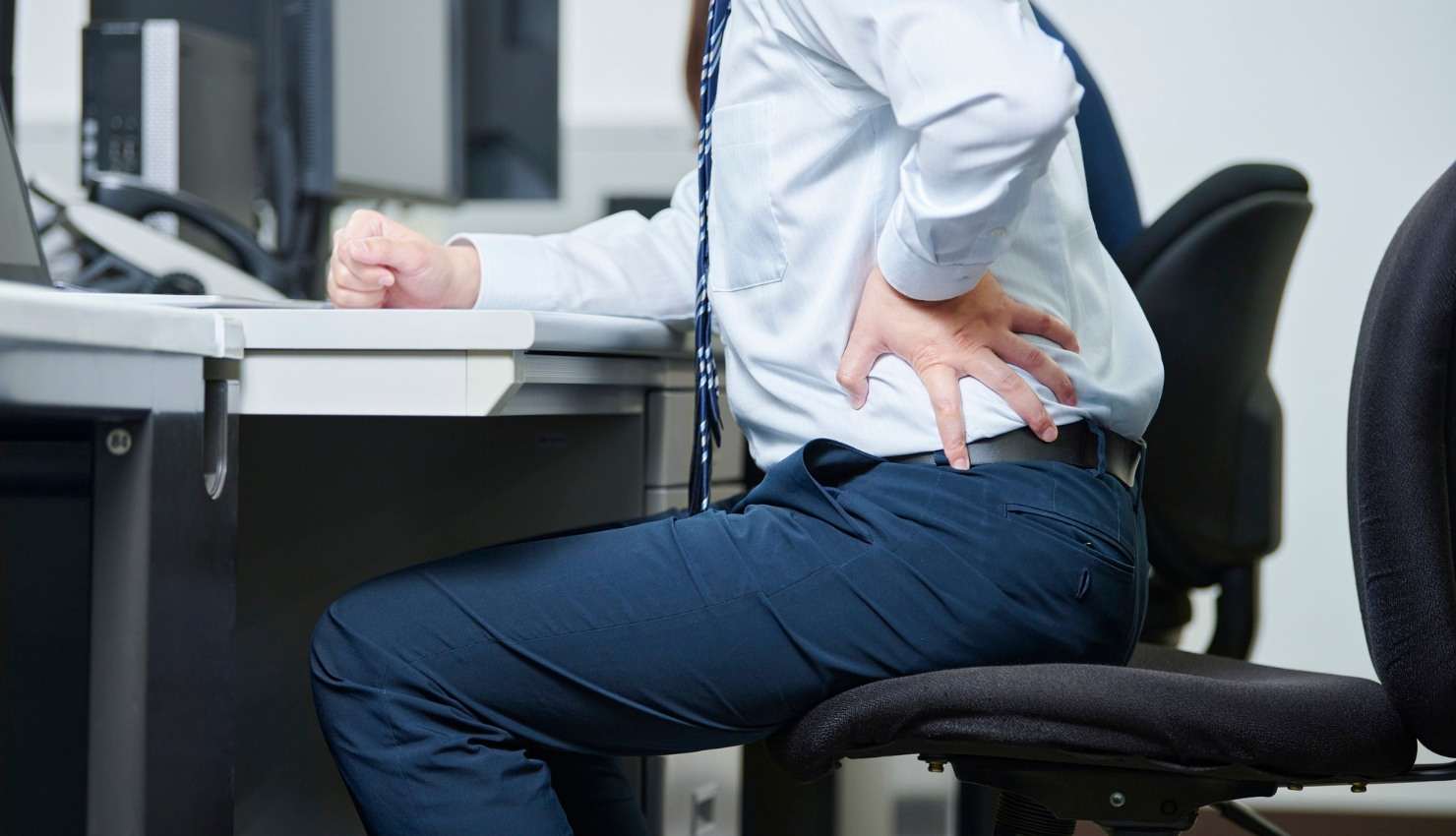
Create an Ergonomic Seating Setup
Your body is only as healthy as your chair allows.
? Optimize your chair:
Lumbar support to preserve the natural curve of your spine
Seat height so feet are flat on the floor, knees at 90100°
Armrests that support elbows without elevating shoulders
Seat depth that supports thighs without pressing into the back of knees
?? No ergonomic chair? Use a cushion for lumbar support and a footrest (or stack of books) to keep your posture aligned.
?? 2. Follow the 30/30 Rule
Sitting for too long leads to muscle fatigue and joint stiffness.
Try the 30/30 rule:
Every 30 minutes, take a 30-second posture reset or movement break
Alternate positions: sitting ? standing ? walking ? stretching
?? Try a timer or Pomodoro app to stay consistent.
?? 3. Use a Sit-Stand Desk or Desk Converter
Changing positions throughout the day activates different muscle groups.
Benefits:
Reduces pressure on your lower back
Improves blood flow and circulation
Helps prevent energy dips and postural collapse
?? If you cant invest in a standing desk, use a stackable platform or high table for part of your day.
????? 4. Incorporate Movement Snacks
Short bursts of movement between work blocks combat physical and mental fatigue.
Examples:
Seated marches or toe taps
Shoulder rolls and neck circles
Standing quad and hamstring stretches
Wall push-ups or bodyweight squats
?? Aim for 23 minutes of activity every 3060 minutes.
??? 5. Strengthen Postural Muscles
Weak postural muscles fatigue faster, especially your core, glutes, and upper back.
Try:
Glute bridges
Planks or dead bugs
Wall angels
Bird-dogs
Scapular squeezes
?? Even 10 minutes/day can make a noticeable difference in endurance.
?? 6. Stay Hydrated
Dehydration contributes to fatigue, brain fog, and poor circulation.
Keep a water bottle at your desk
Set hourly reminders to drink
Add lemon or mint if plain water bores you
?? Bonus: Hydration breaks double as movement breaks!
?? 7. Fuel Your Body Right
Fatigue isnt just physical its metabolic too.
Eat small, balanced meals: lean proteins, whole grains, and healthy fats
Avoid high-sugar snacks that cause energy crashes
Try energy-sustaining snacks like nuts, yogurt, or fruit
?? 8. Adjust Lighting and Environment
Poor lighting can increase slouching and eye strain, adding to fatigue.
Use natural light when possible
Adjust screen brightness to match room lighting
Consider a desk lamp with adjustable color temperature
?? 9. Use Support Tools for Comfort and Movement
Helpful additions to reduce fatigue:
Footrests to promote circulation
Seat cushions to reduce pressure on hips
Balance boards or wobble stools to keep micro-movements active
Anti-fatigue mats for standing desk users
? 10. End the Day with Recovery Time
A short cool-down routine helps reduce muscle tightness from sitting.