Optimize Your Desk Ergonomics for Wrist Health ? Ideal Wrist Position:

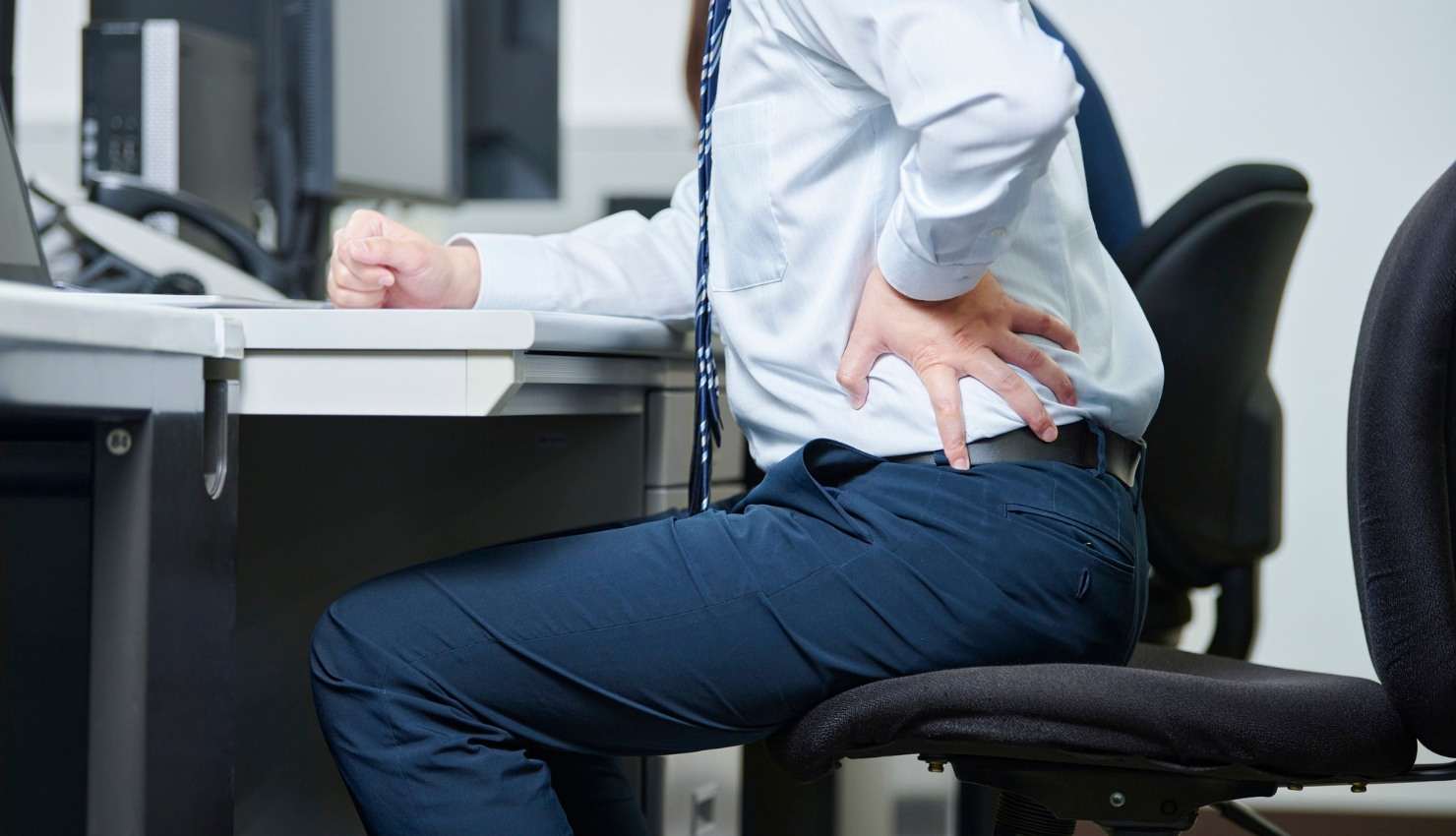
Optimize Your Desk Ergonomics for Wrist Health
? Ideal Wrist Position:
Wrists neutral (straight, not bent up/down or sideways)
Forearms parallel to the floor or slightly declined
Elbows bent at 90100°, close to your body
Mouse and keyboard on the same level as your elbows
Use a wrist rest (soft and flat) only during pauses, not while typing
?? Consider an ergonomic split keyboard and vertical mouse to reduce strain.
?? 2. Correct Typing and Mousing Habits
Avoid resting your wrists on hard surfaces while typing
Float your hands above the keyboard with relaxed fingers
Light touch: Dont pound the keys
Keep your mouse close to reduce overreaching
Use keyboard shortcuts to reduce mouse usage
?? Switch mouse hands periodically to distribute load.
?? 3. Take Microbreaks to Rest Your Hands
Every 3060 minutes: Shake out hands, stretch fingers
Alternate tasks: Mix typing with reading, calls, or standing
Use a timer or break reminder app like Stretchly or EyeLeo
?? 4. Daily Stretches and Mobility for Wrists and Hands
Perform these 23 times daily, especially before and after work:
? Wrist & Finger Stretches:
Wrist extensor stretch: Extend arm, palm down, gently pull back fingers (30 sec)
Wrist flexor stretch: Palm up, gently pull fingers downward (30 sec)
Prayer stretch: Palms together, elbows out, hold 30 sec
Finger fans: Spread fingers wide, hold for 5 sec, repeat x10
Wrist circles: 10 each direction
??? 5. Strengthen to Support Your Joints
Strong forearms and hands are more resilient to repetitive strain.
Easy exercises:
Therapy putty or resistance bands: Finger extensions, squeezing, wrist curls
Isometric fist clench: Hold for 5 seconds, then open fingers wide (repeat x10)
Grip trainers: Light resistance to improve endurance
?? 6. Manage Early Warning Signs
If you notice any of the following, act early:
Tingling or numbness in fingers
Wrist pain after typing
Weak grip or finger fatigue
Swelling around wrists or thumb
What to do:
Rest and modify your workstation
Apply cold compress if inflamed
Start gentle mobility exercises
Consult a physiotherapist before it progresses
??? Quick Desk Setup Checklist for Hand & Wrist Safety
Element Healthy Setup
Keyboard Elbows level, wrists straight, no tilt
Mouse Close to keyboard, wrist neutral
Armrests Adjustable, supportive but not restrictive
Desk Height Forearms parallel to floor
Breaks Every 3060 minutes
Stretches 23 times daily
????? Physiotherapy Insight:
Most wrist injuries come from repetitive stress and poor posturenot sudden trauma. Prevention means being proactive: stretch daily, strengthen regularly, and adjust your habits before pain starts.
Your hands and wrists are small joints doing big work. Treat them like athleteswith warm-ups, cooldowns, and recovery time.